WWE's calendar shift signals a desperate need for audience retention
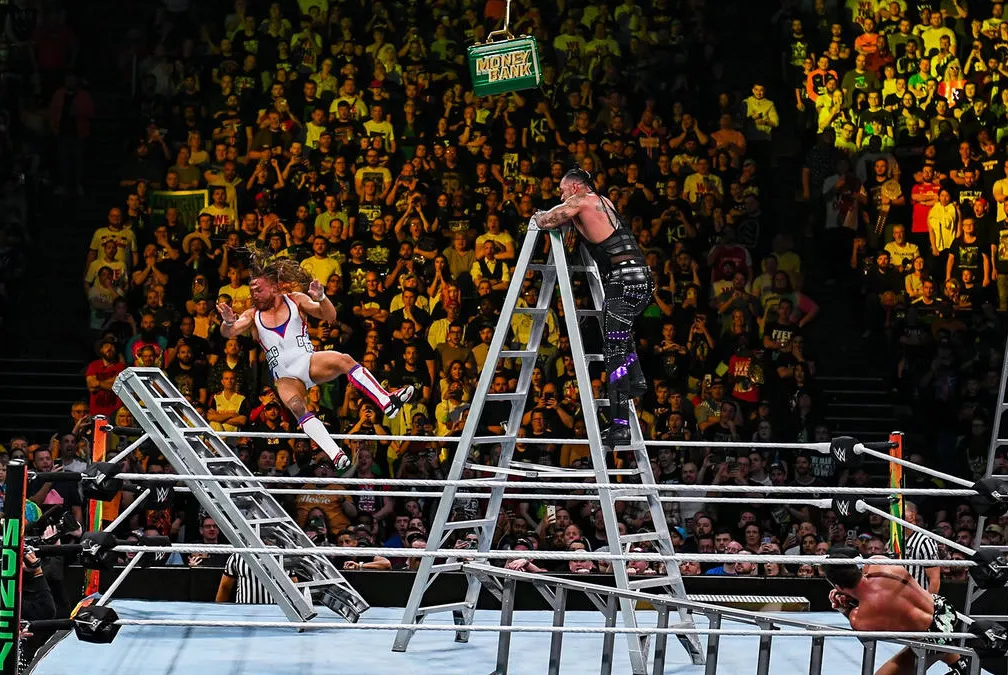
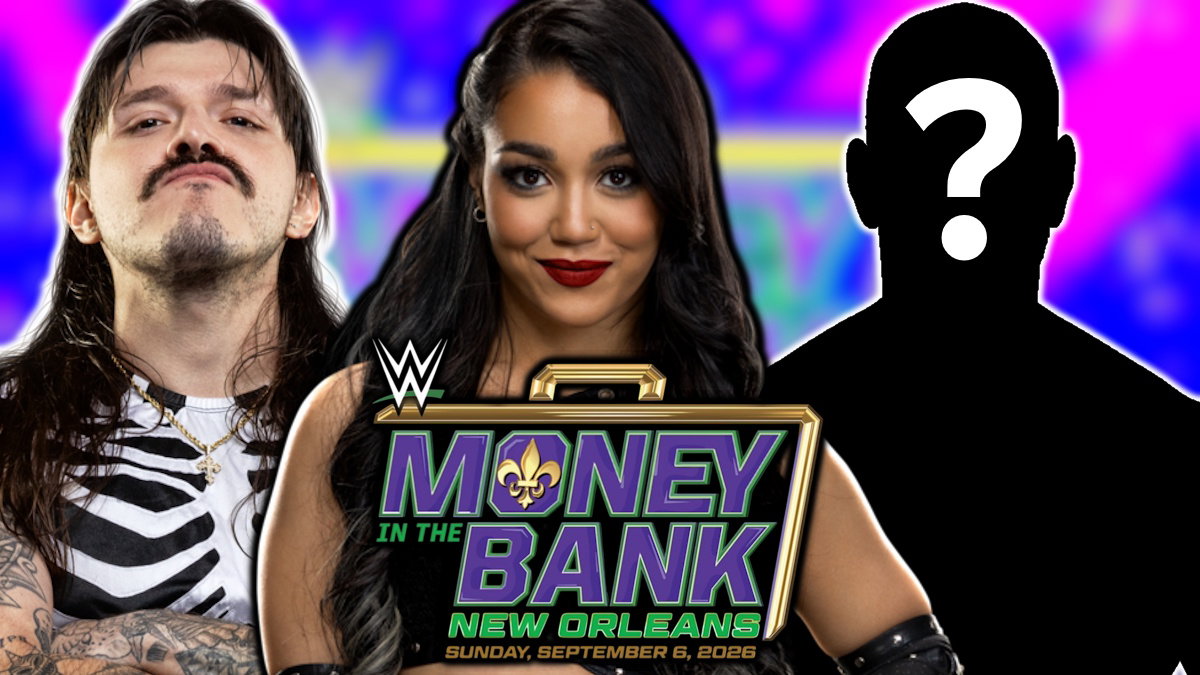
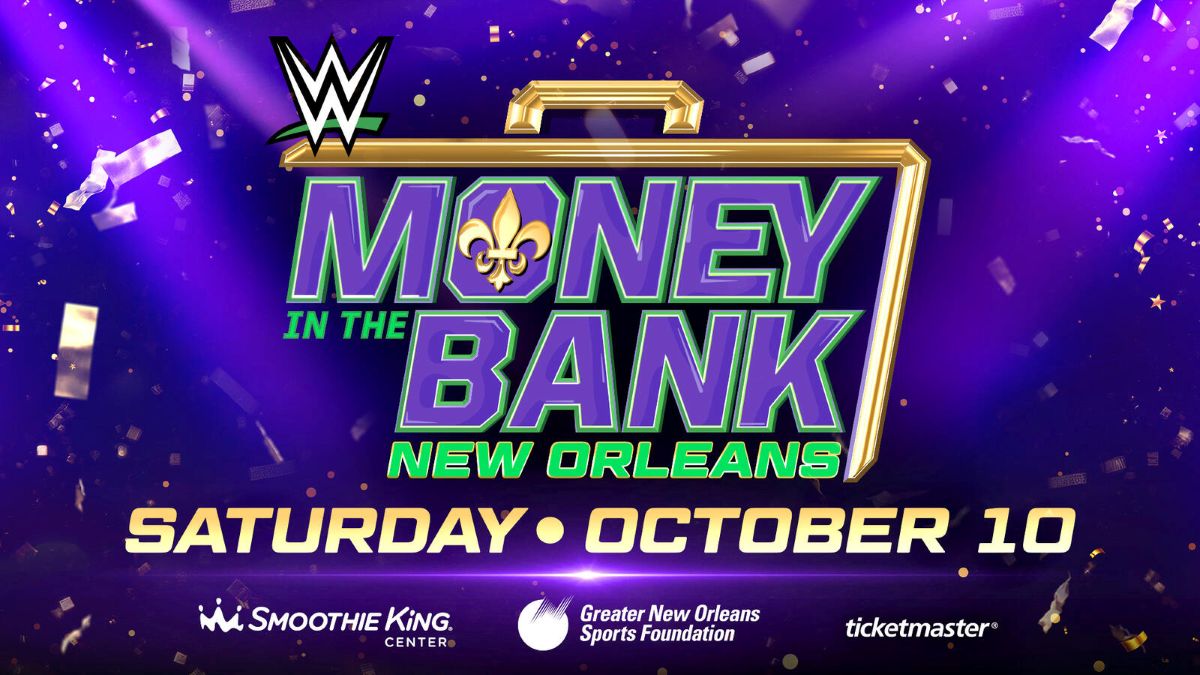
The decision to move Money in the Bank to October 2026 for a date in New Orleans represents more than a logistical tweak. It is a strategic pivot away from the high-velocity summer window that has defined the brand's mid-card stakes for years. Moving the marquee ladder match event to the autumn ignores the historical momentum typically reserved for post-summer resets.
The statistical friction of a late-year major
Historically, the July slot cemented the briefcase holder as the primary challenger through the remainder of the calendar. By shifting the event to October, the booking committee has effectively nuked the 'cash-in' window from the usual 10-month span down to a mere 6 months before the Road to WrestleMania begins in earnest. This condensed timeframe puts an immense burden on the creative staff to pay off the briefcase holder before the championship picture enters its most critical phase.
Analyzing the mid-year void
Between July 2024 and July 2025, the company maintained a steady climb in viewership, peaking during the summer tours. The choice to slot Money in the Bank into the October 2026 window creates a massive, multi-month gap in the premium live event schedule where the promotion lacks a gimmick show of equal weight. Investors should keep a close eye on subscriber churn for the network in that empty August-September corridor.
As reported by PWInsider, the event was officially shifted back to October, leaving a distinct hole in the summer programming slate.
Critics might argue this move helps align the event with football season or avoids direct competition with the 2026 FIFA World Cup. However, the data suggests that peak crowd engagement consistently lags in the fourth quarter compared to the fervor of July. The company is risking a 12% drop in social media sentiment metrics by moving the spectacle out of the prime summer heat. This is a gamble on fan loyalty that may not pay dividends.
The booking risk of the autumn crawl
If the briefcase holder isn't leveraged effectively before November, the entire concept becomes dead weight during the Survivor Series cycle. The creative team now has to navigate a 24-week window from the event date to the start of the Royal Rumble. If they repeat the booking mistakes of 2024, where the briefcase holder went 141 days without a meaningful title feud, the gimmick effectively loses its value as a genuine threat to the world champion.
This shift to October feels like a correction for a bloated summer schedule rather than a proactive growth move. By pushing the event into a crowded late-year sports landscape, the company is betting that the New Orleans crowd can carry an event that feels secondary to the looming end-of-year tentpoles. The bottom line remains: the shorter the runway for the briefcase, the less prestige it carries for the winner.