The scramble for the map
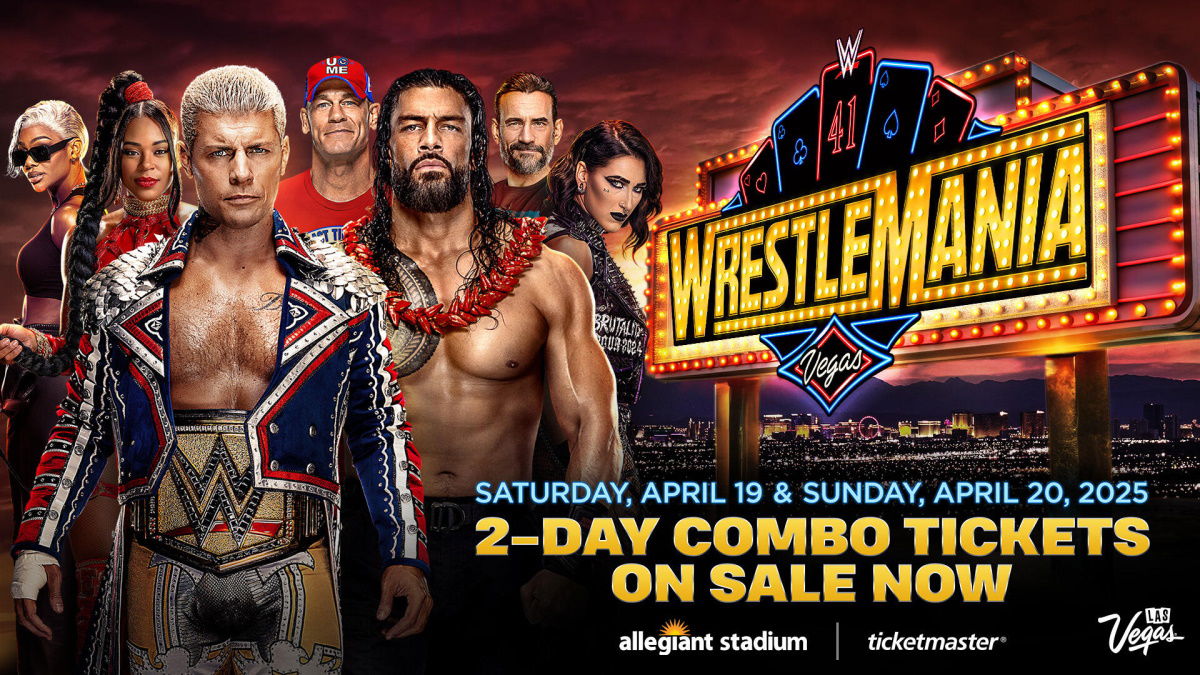
WWE is treating WrestleMania 43 weekend like a military campaign, and the internet is losing its collective mind. Instead of a single destination point, the company is decentralizing the chaos across the entire United States. Bryan Alvarez recently broke down the logic behind this massive expansion, suggesting the move is about maximizing reach rather than just filling one local stadium.
The fan reaction to this news has been a dumpster fire in the best way possible. Some folks are treating this like the second coming of the territory era, while others think it is a logistical disaster waiting to happen. The sheer scale suggests that the 2027 calendar is going to look less like a series of dates and more like a tactical map for ground wars.
The enthusiasts versus the logistical gatekeepers
The optimists are cheering for accessibility. If you live in a flyover state, hearing that the spectacle might actually graze your ZIP code is a dream scenario. They argue that putting the brand on every TV screen in every market creates an inescapable atmosphere. It is the ultimate flex for a company that already dominates the conversation.
Then you have the purists who think the dilution of the brand is essentially a suicide mission. They claim that WrestleMania derives its meaning from being a pilgrimage, not a roadshow that drops by like a traveling circus. Some users on social media noted that trying to coordinate this much hardware and talent across multiple time zones is going to result in the kind of production botches we haven't seen since the bad old days of the mid-2000s.
WWE isn’t loading up the United States with WrestleMania 43 events just to give fans something to do.
The skepticism is grounded in the reality of what it takes to produce high-stakes live events. When the company spreads its resources too thin, the quality of both the sound engineering and the ring presentation usually suffers. If you are sitting in the nosebleeds in a secondary location, you do not want to see a blurry projection of a match happening three thousand miles away. You want the pyro, the noise, and the feeling that you are smack in the center of the orbit.
My take: The cold, hard truth
Here is the reality that the fanboys refuse to acknowledge. WWE is not doing this for the sake of the viewer experience; they are doing this because they have the data points to prove that market saturation leads to higher merchandise moving numbers. You are not a customer to them in this scenario; you are a target demographic in a regional heat map.
Is it a bad idea? Honestly, I don't think so. The argument that it ruins the prestige of the event feels like a leftover relic from 1995. The world has moved on, and if they can pull off a staggered weekend that keeps interest piqued for the full 72 hours, it is going to be the most profitable cluster you have ever seen. The risk, of course, is that they get greedy.
If the main show feels like an afterthought because the production team is busy juggling secondary events in random ballrooms, the fans will revolt. We saw exactly what happens when you treat the lore like a secondary concern during the build to various recent premium live events. When the focus shifts from the match quality to the quarterly earnings report, the product goes soft.
The current consensus is leaning heavily toward wait-and-see, but the tension is real. People are already debating which cities are locks. We are looking at a potential 48-hour window of pure, unadulterated madness. Whether it ends in a historic victory for the brand or a mess of cancelled flights and technical glitches, it is going to be the only thing anyone is talking about for the next year.
- Pro-expansion crowd: Pointing to increased accessibility and local market buy-in.
- Anti-expansion crowd: Fretting over production quality and loss of cultural "centerpiece" status.
- The middle ground: Acknowledging that money talks, but hoping for competent execution.
Ultimately, WWE is betting that their audience will follow the brand anywhere. History suggests they are right. Whether they can maintain that level of engagement without turning the whole weekend into a hollow marketing exercise remains the biggest question on the table. Either way, buy your tickets early or enjoy the view from the couch while you mock the inevitable production hiccups on social media.
Read Next