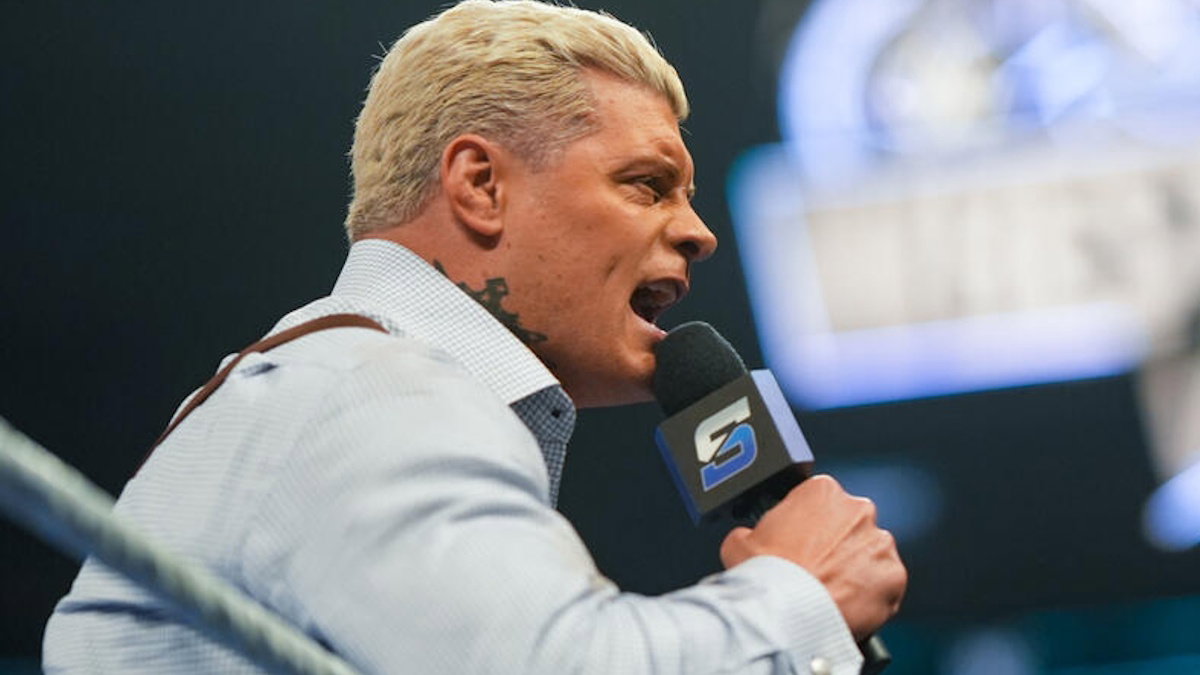
WWE's pivot to Cody Rhodes shows a lack of long-term vision
The messy calculus of the main event
When the internal creative direction shifts overnight, the mid-card talent usually pays the price. The recent decision to scrap the LA Knight program centered on the Gunther feud is the latest indicator that WWE booking follows the path of least resistance rather than a cohesive map. After Knight disappeared from the last two broadcasts of Raw, it became clear that his momentum from April 18 at Allegiant Stadium has been systematically cooled.
Knight’s trajectory seemed set following his appearance in the tag-team opener where he, alongside The Usos, dispatched Logan Paul, Austin Theory, and IShowSpeed. That performance generated a specific intensity that the crowd responded to, yet he has been absent since. The sudden pivot to Cody Rhodes as the focal point suggests a reactive strategy rather than a proactive one. It ignores the chemistry already being built between the performers who actually appeared on television this spring.
The cost of chasing headlines
Building high-concept programs around current flavor-of-the-month pivots often hollows out the depth of the roster. By shelving the Knight and Gunther matchup, the writers are essentially admitting they do not trust secondary angles to carry interest without an established headliner inserted into every major segment. This reliance on a central figurehead creates a booking bottleneck.
We saw this strategy play out previously with NXT rebranding efforts, where the focus shifted heavily toward international acquisitions like EVIL and Will Kroos. At that time, the promotion prioritized the immediate name recognition of these veterans over organic character growth. While international stars offer a proven baseline, the constant turnover in the main event scene at NXT serves as a reminder that polished transitions often lead to stagnation. The current Raw creative strategy is repeating this error by abandoning built-in narratives for safer, predictable main-event pairings.
Where the strategy falls short
The absence of consistent development for rising stars creates a vacuum in the product. When you look at the May 5, 2026 episode of NXT, the experimental nature of the brand provides a sharp, albeit chaotic, contrast to the rigid, recycled thinking on the main roster. NXT remains the only segment of the company comfortable with internal variance. For Raw, the commitment to the Rhodes-led status quo essentially forces the rest of the locker room to wait on the sidelines. Relying on one or two top-tier names to stabilize viewership percentages is a 3-month fix that creates a 12-month creative deficit. If the booking team does not broaden their creative lens before the summer, the stagnation will eventually impact the bottom dollar as audience fatigue for recycled headliners sets in.
Read Next
- Kevin Nash is playing booking manager and he might be onto something
- MJF is baiting the WWE locker room while trading shots with the Attitude Era
- Joe Hendry’s Raw debut was a fever dream we didn’t deserve
- Cody Rhodes and the creative ceiling at the top of WWE
- 🏆 WrestleMania 41 — Full Coverage Hub
- 💥 WWE Backlash 2026 — Full Coverage Hub
Funko POP WWE: The American Nightmare - Cody Rhodes
Bring the 'American Nightmare' straight to your desk and finish your own story!
More Coverage
Why WWE's Midcard is Cooking While the SummerSlam Main Event Stinks
8 minutes ago
Brock Lesnar and Oba Femi are playing with fire before SummerSlam
3 hours ago
Top 10: The Definitive Ranking of Mid-Year 2026 Wrestling Moments
3 hours agoWWE RAW Hit-and-Miss: Bron Breakker Demolishes, But Promo Parades Need to Die
4 hours ago
Danhausen's WWE status sparks wild speculation after RAW appearance
4 hours ago
Steve Maclin and Sami Callihan are leaving TNA and AEW is ready to pounce
4 hours agoMore Analysis
Cody Rhodes and Gunther dominate the latest Raw fallout
4 weeks ago
Cody Rhodes and Gunther are running it back for the wrong reasons
1 month, 2 weeks ago
Cody Rhodes is fighting a losing battle against his own booking
1 month ago
Cody Rhodes and Gunther are headed back to the drawing board
1 month ago
LA Knight feels the squeeze on WWE's mid-card ceiling
1 month, 1 week ago