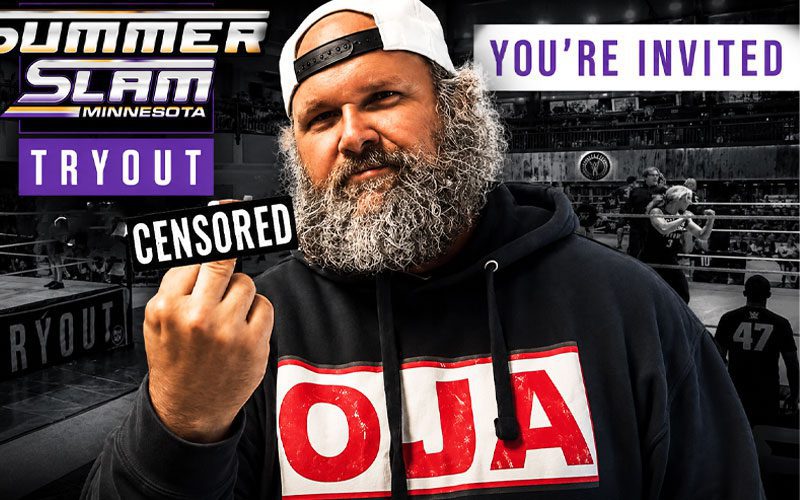
The scouting process needs an immediate audit
Professional wrestling does not function like the NFL draft, but it still requires a degree of logistical competence. When companies solicit tryouts, the administrative side must remain watertight. Recent reports concerning a construction worker claiming his SummerSlam tryout invite ended up in the digital void, WWE’s talent procurement looks sloppy.
Inviting established veterans like Tatanka is standard practice for brand optics. However, ignoring the logistical follow-through for new blood highlights a breakdown in communication. If a potential roster addition vanishes because an email was sent to an incorrect address, that is a failure in basic front-office management.
The cost of administrative oversight
In the ring, precision is the difference between a clean landing and a concussion. This translates to the back office, too. When a promotion pushes for a high-stakes event like SummerSlam, they need the best hands on deck. If someone with genuine potential is kept out due to a technical error, the card quality suffers.
We have seen these failures before. A roster remains as only as strong as its lowest-tier acquisition. If management cannot track a simple sign-up sheet, why should fans trust their long-term booking strategy for newer talent?
The current lack of transparency surrounding who actually receives these invites makes it impossible to verify the talent pool’s caliber. WWE is holding an event that requires a specific, high-intensity output during a 15-minute wrestling window to effectively catch the eye of scouts. If the scouting staff is fixated on legacy names, they are missing gaps in the lower-midcard.
Predicting the impact on the SummerSlam card
My prediction? The SummerSlam card will end up heavily reliant on legacy performers and current champions. We will not see a surprise breakout star from this open cycle, simply because the administrative friction is too high to overcome.
The talent pool is effectively stagnant even when the front office signals intent to draft new players. By the time the opening bell rings on the pay-per-view, the total number of fresh, non-roster invitees competing will be zero. Expect a safe, predictable broadcast that leans on established star power to move ticket units on the secondary market.
The company hit a peak when it leaned into disruptive, organic talent growth. Now, the pivot back to safe, established names—combined with these logistical blunders—suggests a conservative creative direction. They are playing for the floor, not the ceiling.
Critics will argue that scouts already know who they want. If that is true, the invite process is just theater. When the results come in, I expect the card to mirror the 2025 roster depth to a near-exact percentage. The chance for an underdog story is effectively dead on arrival given the current internal structure.
Read Next
- WWE targets J-Rod as SummerSlam recruitment drive hits Minneapolis
- J-Rod gets WWE tryout at SummerSlam weekend as Stamford targets top prospect
- Cody Rhodes reveals what it was really like in the ring with John Cena
- SmackDown is about to get a post-SummerSlam roster infusion
- ☀️ WWE SummerSlam 2026 — Full Coverage Hub