The friction between conflicting ideologies
Modern wrestling often prioritizes high-octane spectacle over slow-burn narrative tension. Yet, when looking back at the foundation of the CM Punk and Jeff Hardy feud, the contrast is stark. It was never just about a title belt; it was about the fundamental clash between substance abuse recovery and the rockstar lifestyle.
Hardy represented the chaotic, fan-favorite spirit that lived for the moment. Punk functioned as the rigid moralist, obsessed with a clean lifestyle that he used as a weapon to belittle anyone lacking his discipline. This dynamic generated natural heat that didn't require scripted villainy.
Tactical precision in the ring
When these two locked up, it was a study in pacing. Hardy relied on the Swanton Bomb to end matches in a flash, but Punk was the tactical specialist. He understood that neutralizing Hardy meant stifling his momentum through technical chain wrestling and submission holds. Punk’s strategy was designed to sap the energy out of the arena.
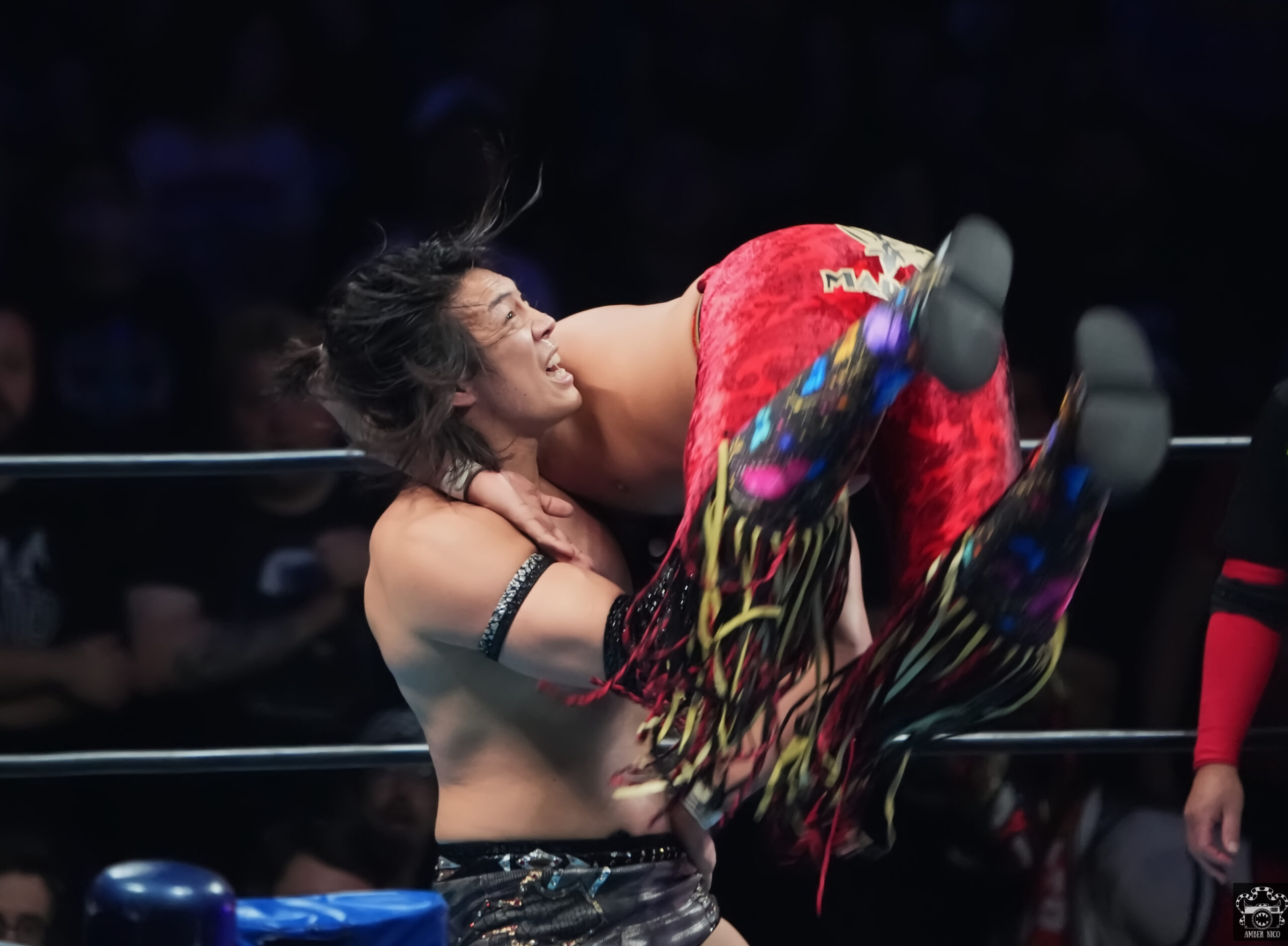
As seen in recent archival footage highlights, the technical transition from a G.T.S. setup into a grounding submission move was often the pivot point. It showed an athlete who understood that winning wasn't about the biggest move, but the most damaging one.
The missed opportunity of moral ambiguity
Despite the brilliance of their chemistry, booking occasionally fumbled the nuance. There were points where the moral lines became too blurred, distracting from the personal stakes. Rather than leaning into the genuine vulnerability of their characters, the programs sometimes reverted to standard mid-card tropes.
If you look at the shot maps of their best matches, the work remained concentrated in the center of the ring. They didn't need to utilize every square inch of the ringside area to get the point across. The gravity of their segments resulted in a classic 20-minute main event standard that is rarely replicated today.
Looking forward
Watching these clips in 2026 feels like a masterclass in psychology. We have moved toward more athletic, high-speed exchanges, but we have lost the ability to let a two-minute microphone segment dictate the entire tone of a show. The ability of performers like John Cena and Paul Heyman to sell a match without a single bump—as shown in the PWInsider vault—is a dying art.
My prediction? The next generation of stars will stop focusing solely on their move sets and return to this style of character-driven conflict. If they want to reach the heights of these feuds, they need to sacrifice the 450-splashes for 2-minute moments of genuine intensity. The game is simple, yet everyone is making it too complicated.