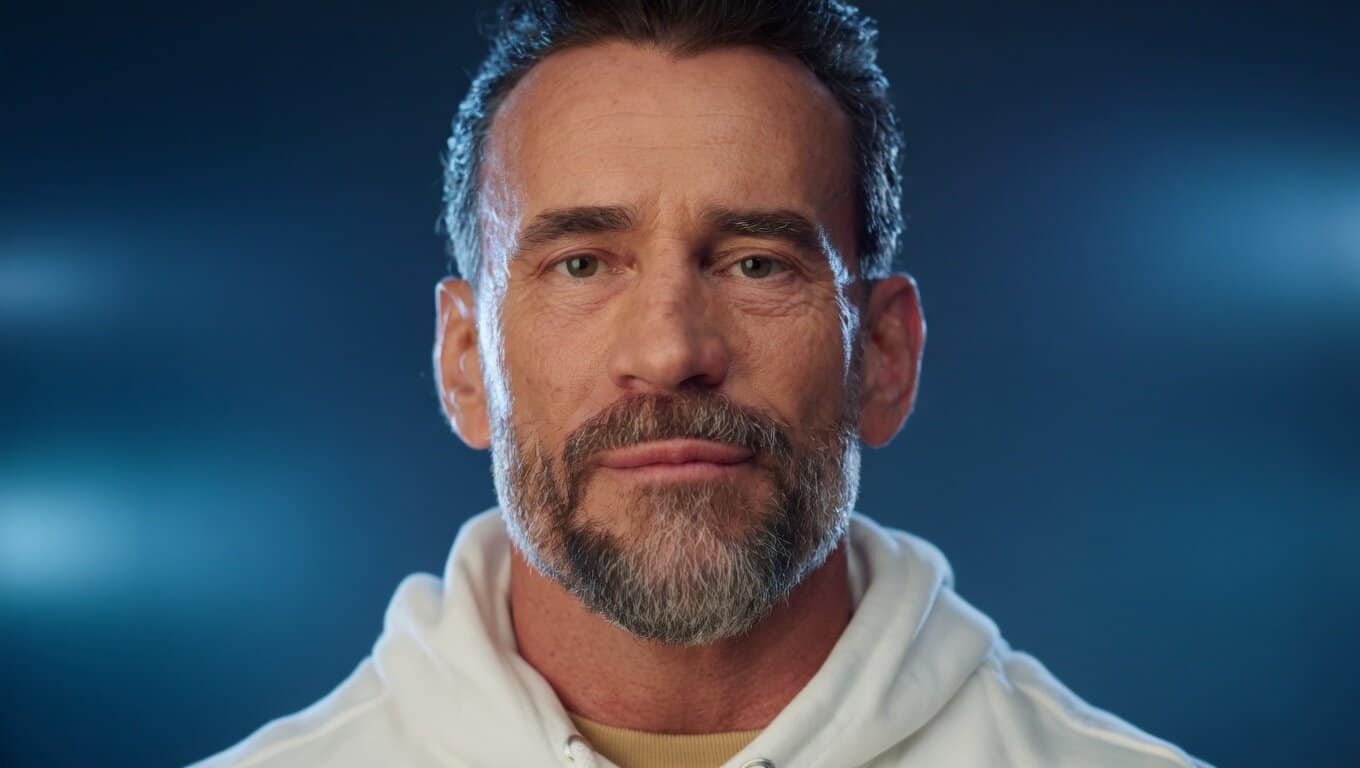
AEW is wasting Brian Cage's Hollywood momentum on cold workrate matches
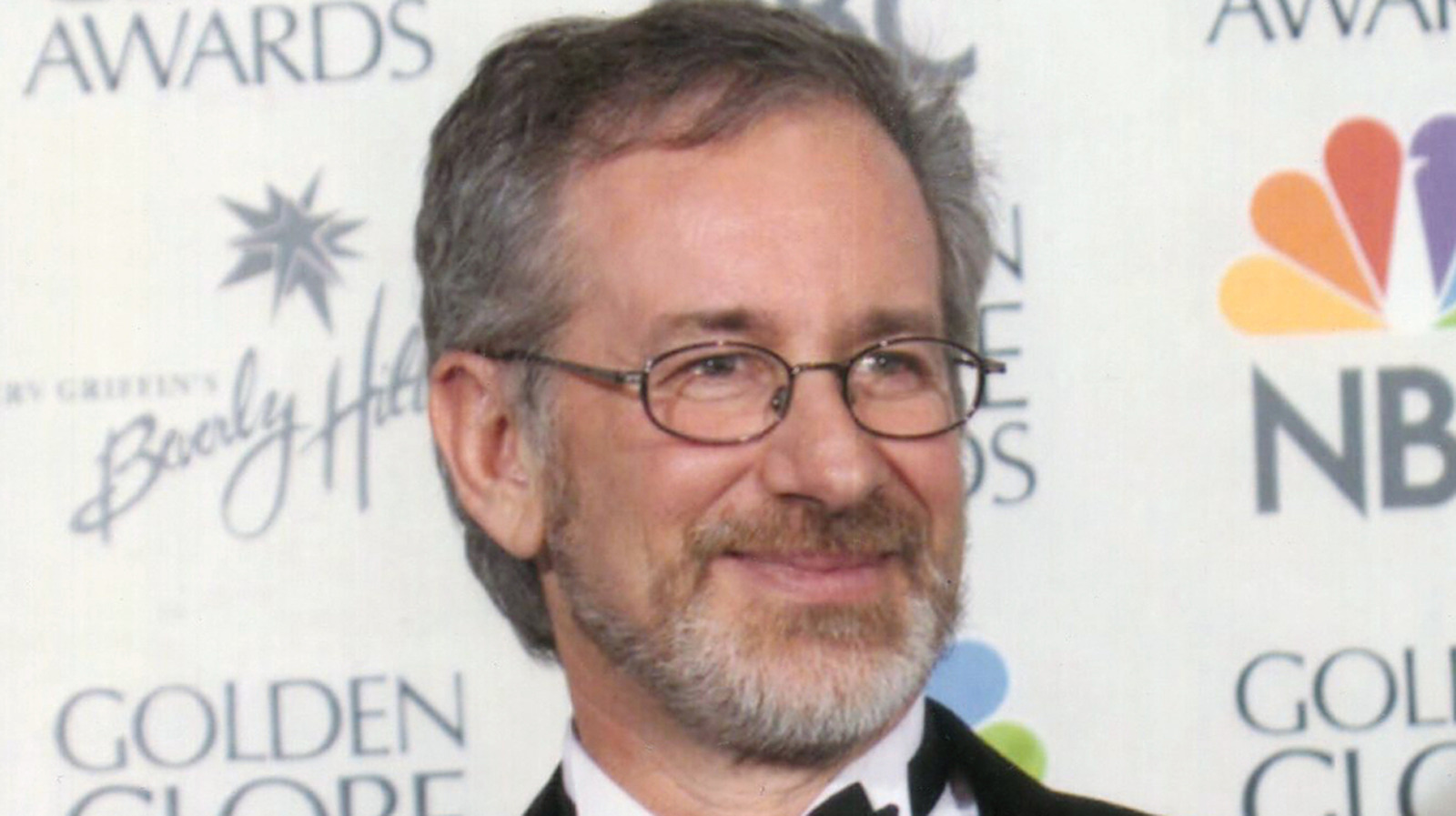
Spielberg's Eye for Monster Scale
Steven Spielberg understands scale. The director who made a giant shark terrifying by keeping it off-screen knows how to use physical presence to command an audience. When casting his upcoming film "Disclosure Day," Spielberg looked for athletes whose sheer mass could tell a story without dialogue. Through Hollywood wrestling liaison Chavo Guerrero, the casting call eventually found its way to AEW's Brian Cage.
The casting process was remarkably simple. Cage sent in his footage, waited several weeks, and received a call from Guerrero saying Spielberg loved the tape. Spielberg wanted Cage on set immediately and allowed him to select his partner, Lance Archer, for a three-day shoot. The two AEW performers shared scenes under the direction of cinema's most famous director.
Yet, while Spielberg marveled at Cage's physical presence, AEW head booker Tony Khan prepared to present him differently. Almost immediately after filming, Cage returned from a lengthy absence directly into a cold open challenge match against TNT Champion Kevin Knight. It was a booking decision that exposed the massive gulf between how Hollywood values wrestling star power and how AEW utilizes it.
Hollywood casts performers based on their unique physical attributes. Spielberg saw Cage's massive frame and immediately understood how to use it to create tension. AEW, on the other hand, often treats its performers as interchangeable pieces in a workrate machine. By placing Cage in a cold return match, the promotion stripped away the aura that Spielberg had just spent days capturing.
The Ring Mechanics of a Rebuilt Knee
Wrestling booking is a game of spacing and timing. When a performer returns from a major physical layoff, the primary goal of their first match should be protection. Cage had spent the previous year rebuilding his left knee, recovering from severe joint issues that kept him out of action for 15 months.
A joint reconstruction of that scale changes how a 270-pound power lifter must navigate the ring. Instead of hiding these physical limitations, the match layout against Kevin Knight exposed them. Knight is an explosive, high-tempo cruiserweight who relies on rapid lateral movement and springboards to pace his matches.
By booking a straight workrate contest, AEW forced Cage to run the ropes and match Knight's speed. The result was a structurally compromised 12-minute match where Cage's lack of lateral quickness was on full display. His movements were stiff, and the spacing of the match felt rushed.
During the match, Cage's movements were visibly stiff. His usual agility was gone, replaced by a tentative pacing that slowed down the action. The ring spacing felt off, as Cage struggled to cut off Knight's lateral movements.
A smart booker would have structured the match to keep Cage in the center of the ring, utilizing short, explosive bursts of offense to hide his lack of mobility. Instead, the match was a sprint. Cage was forced to execute high-risk maneuvers that placed immense stress on his reconstructed knee.
The decision to book the match this way was a major tactical error that did a disservice to both performers. It exposed Cage's physical limitations while failing to showcase Knight's skills in a compelling way. The decision to have Cage lose his return match also represents a major promotional misstep.
When a performer has just filmed scenes for a major Spielberg production, they carry a unique form of crossover value. To immediately use that performer as a one-off challenger who loses in a TNT Championship open challenge is a waste of momentum. It signals to the audience that Cage's Hollywood success is irrelevant to his standing within the promotion.
The Hollywood Casting Pipeline
The story of how Cage got the role in "Disclosure Day" is detailed in his recent appearance on Chris Van Vliet's Insight podcast. According to Cage, Guerrero contacted him about a postponed television project before suggesting him for the film. Cage sent his materials to an anonymous casting director, completely unaware of the project's scale.
Weeks later, Guerrero called with the news that Spielberg had personally reviewed the footage and approved his casting. Cage was at the gym when the email arrived, and the sudden realization of the project's scale caught him completely off guard. The contrast between his regular routine and the sudden Hollywood call was stark.
"I call him, and again I don't even know what the project is, nothing, and he goes 'Yeah man, I was watching it and Steven loves you. He loves you, look, he just wants you on the set, blah, blah, blah.' I go, and he keeps saying Steven, I go 'Steven? Who's Steven?' and he goes 'Oh, the director, Steven Spielberg,' and I'm like 'Wait, what?!'"
Spielberg did not care about Cage's ability to execute a standing moonsault or a Gory bomb flatliner. He cared about his frame, his posture, and how he occupied space within a camera shot. Spielberg's decision to let Cage select his own partner shows that he wanted a matching visual counterweight on screen.
Cage chose Archer, creating a massive heel duo that worked on set for three days. The director saw the immediate visual appeal of two giants standing side-by-side. They were cast to create a sense of scale and dread, using their bodies to tell a story.
This is the essence of physical storytelling, a skill that is often lost in modern wrestling booking. Guerrero's role as a wrestling liaison in Hollywood is also significant. He has spent years building a bridge between the two industries, coordinating action scenes for projects like "GLOW" and "The Iron Claw."
His success highlights the growing demand for authentic wrestling stunt work in high-budget cinema. It is a demand that wrestling promotions should be capitalizing on, yet AEW has largely ignored this connection.
Re-engineering the Murder Machines
In contrast to Spielberg's visual direction, AEW has struggled to present Cage and Archer as a cohesive powerhouse unit. Despite their obvious visual compatibility, the "Murder Machines" tag team has been treated as a sporadic, lower-priority act. They are frequently booked in short television matches with minimal narrative development.
This booking pattern dilutes their value and prevents them from building any real momentum. AEW's tag division has frequently struggled with spacing. Matches are often chaotic four-way brawls where referee authority is completely ignored.
This style prioritizes fast-paced, high-flying spots at the expense of tag team psychology. For a monster heel team like the Murder Machines, this chaotic environment makes it difficult to establish their cut-offs and heat segments. A successful tag team match requires structure and rules.
Without them, the match becomes a series of disconnected spots that fail to tell a coherent story. The lack of structure in AEW's tag division has made it difficult for powerhouses to succeed. They are forced to adapt to a style that does not suit their physical attributes, leading to compromised performances.
This is a booking mistake that affects the entire roster. By prioritizing workrate over variety, AEW has created a product that feels repetitive. The audience is presented with the same style of match week after week, with little variation in pacing or tone.
Rebuilding the tag division requires a return to basic tag team psychology, starting with the booking of teams like the Murder Machines. This structural adjustment would allow the promotion to present a more balanced product.
A Tactical Blueprint for Cage
To maximize Cage's value going forward, AEW must implement a strict tactical shift in how he is booked in the ring. The era of Cage performing high-flying maneuvers must end. Moonsaults and springboards place immense stress on reconstructed knee joints, and they actively detract from his monster persona.
At 270 pounds, Cage should be working a classic, high-impact powerhouse style that emphasizes control, spacing, and physical dominance. This shift requires a change in match structure. Cage's matches should focus on short, intense bursts of offense.
He must utilize moves that protect his knees while emphasizing his strength, such as powerbombs, lariats, and submission holds. By slowing down the pace and focusing on physical storytelling, Cage can prolong his career while building a more believable heel character.
Comparing Cage to other powerhouses who modified their style after knee injuries reveals the value of this approach. Wrestlers like Triple H and Stone Cold Steve Austin became more ground-based, intense brawlers after major injuries. The physical limitations forced them to focus on ring psychology and character work, which actually improved their performances.
Cage has the opportunity to make a similar transition if AEW's booking supports it. Furthermore, AEW must abandon the formulaic open challenge format for returning stars. Placing a wrestler in a title match with no storyline buildup reduces the stakes of the contest.
If Cage is to be presented as a credible threat, his matches must be part of a larger, coherent narrative. He should be booked in dominant squash matches that rebuild his aura, leading to structured feuds with clear stakes.
Capitalizing on Crossover Buzz
Spielberg's interest in their work provides a marketing angle that AEW has so far ignored. The legendary director spent time talking wrestling with Cage and Archer on set, even admitting he would love to attend a show soon. AEW should have capitalized on this by inviting Spielberg to a television tapings or running a storyline around their Hollywood success.
Instead, they treated Cage's return as just another match on a crowded card. The booking of Cage's return highlights a broader issue within AEW's mid-card. The promotion possesses one of the deepest rosters in professional wrestling, yet it frequently struggles to find consistent roles for its talent.
Wrestlers regularly cycle in and out of television, making it difficult for the audience to invest in their characters or storylines. This lack of consistency is particularly damaging to larger performers who require sustained booking to maintain their aura.
When a monster heel is beaten immediately upon their return, it diminishes the credibility of the entire division. It suggests that size and physical dominance are easily overcome by workrate and speed. While high-flying wrestling has its place, it must be balanced by credible powerhouses who present a genuine threat.
Without this balance, the match dynamics become repetitive and predictable. Tony Khan must realize that workrate alone cannot sustain a national wrestling promotion. Visual storytelling, character development, and narrative pacing are equally important.
Spielberg's appreciation for Cage's aesthetic should serve as a wake-up call. It is time for AEW to start booking its monsters like monsters, rather than generic workrate performers who exist only to fill TV time.
Frequently Asked Questions
Who cast AEW star Brian Cage in a major film?
Who joined Brian Cage as his partner in the Steven Spielberg film?
How did Brian Cage get cast in Steven Spielberg's film?
Why was Brian Cage absent from AEW prior to his return?
Who did Brian Cage wrestle in his AEW return match?
More Coverage
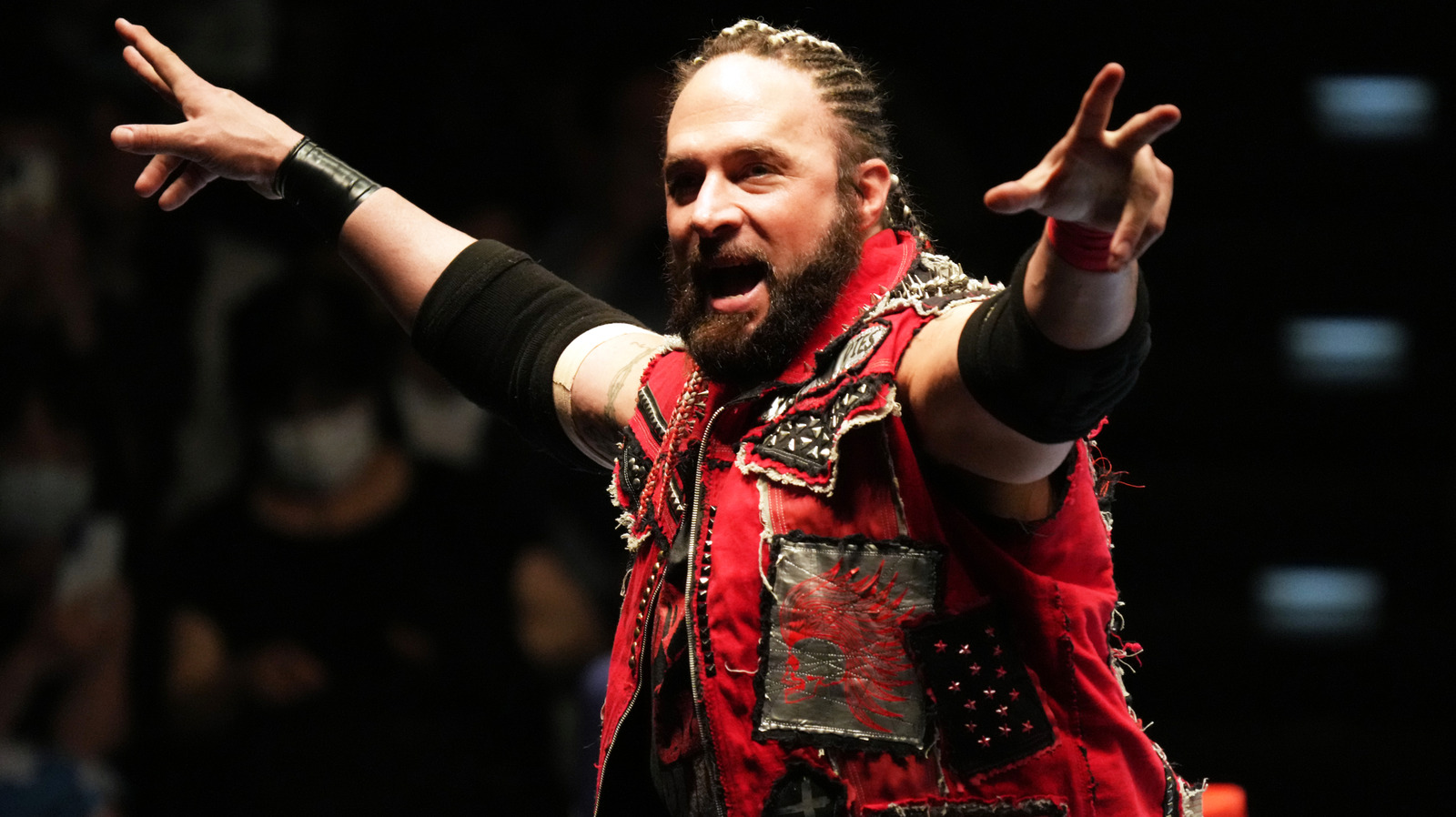
Lance Archer's back injury on a movie set creates new headache for AEW
an hour ago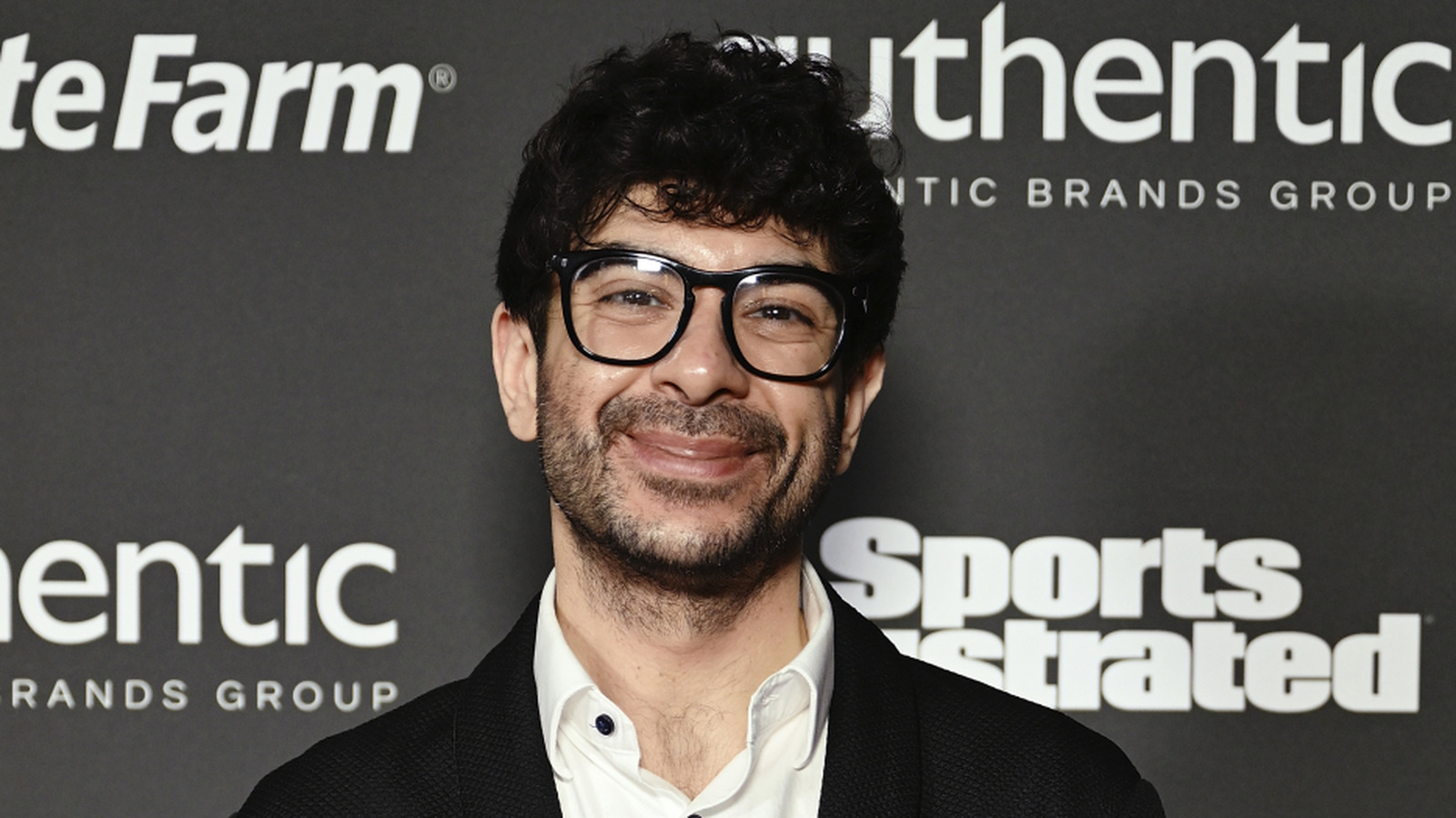
Why Tony Khan needs to stop playing fantasy booker this summer
10 hours ago
Kevin Nash admitting he got worked by MJF is the best thing online today
13 hours ago
Hangman Page is planting flowers while AEW's main event scene burns
1 day, 15 hours ago
AEW's latest Dynamite stats reveal a roster leaning heavily on its veterans
1 day, 22 hours ago
MyAEW is targeting legendary indie catalogs as Tony Khan eyes expansion
2 days, 3 hours agoMore Analysis
Lance Archer's back injury on a movie set creates new headache for AEW
an hour agoWrestling Weekly: SummerSlam booking pivots and TNA drama (Jun 29–Jul 05, 2026)
2 hours ago
TNA is booking themselves into a corner with Fabian Aichner's title shot
2 hours ago
WWE is finally learning how to protect its future from Roman Reigns
2 hours ago
Top 10: Top Moments
3 hours ago