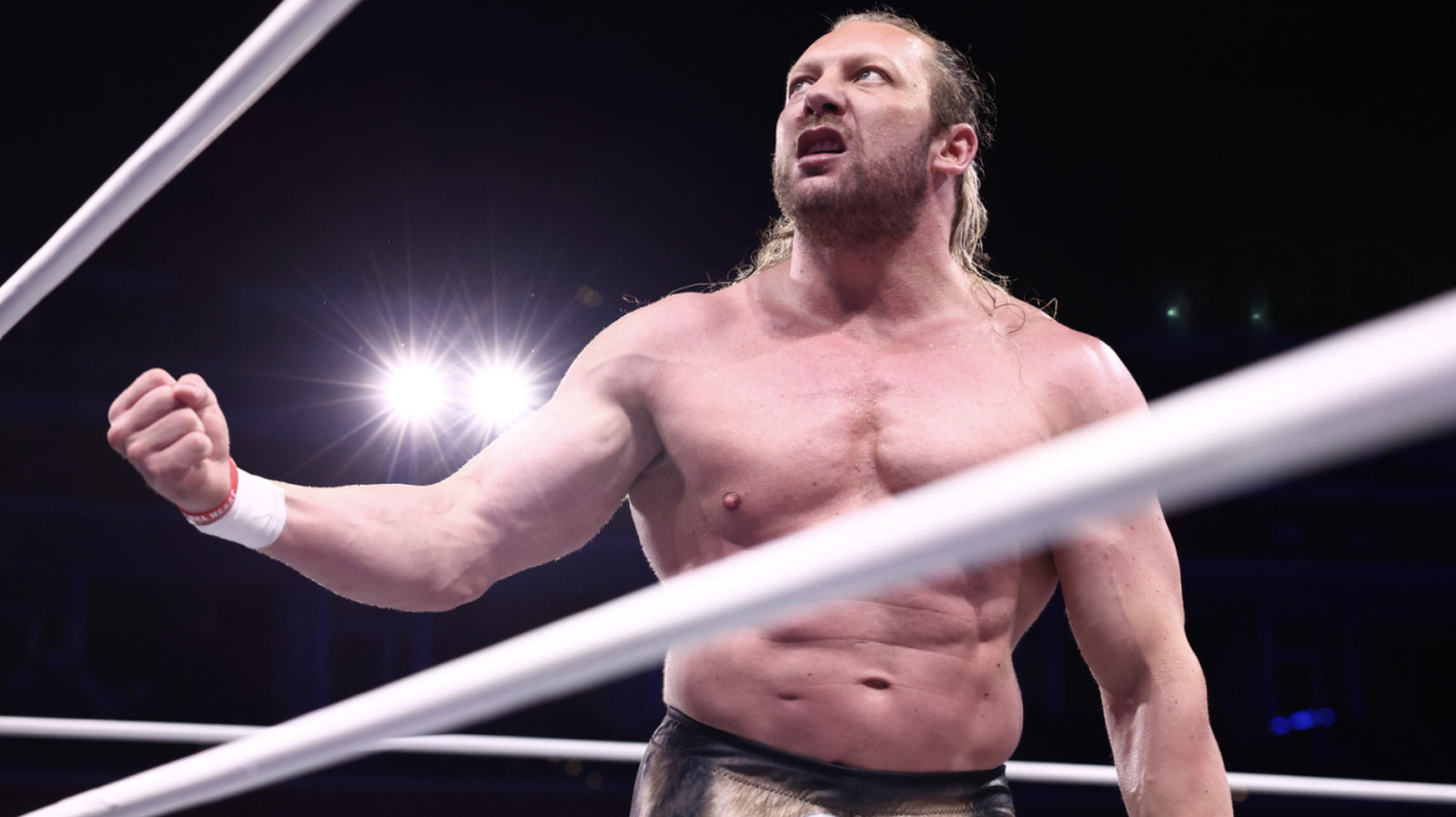
AEW reaches a breaking point after the Beach Break title chaos

The MJF and Omega endgame
The July 8 episode of AEW Dynamite at Beach Break functioned as a grim reminder that top-tier booking relies on more than just star power. The recent transition of the world championship highlights a fundamental issue with how the company manages its primary assets. Kenny Omega and MJF, two of the most polished performers on the roster, found themselves at the center of a shift that felt more like a panic button than a narrative conclusion.
Last week, both men agreed to terms on a match that had the potential to define the division for the remainder of the year. Instead, the execution on television resulted in a finish that alienated the live audience. When a championship reset occurs without a clear path forward, it leaves the promotion scrambling to fill the void during the aftermath.
The inefficiency of the reliance on returning stars
The booking strategy regarding Willow Nightingale provides a stark contrast to the main event mess. Following an injury-led hiatus, the decision to plug her back into the Casino Gauntlet structure mirrors the promotion's tendency to rely on existing equity rather than building new programs from scratch. It is a safe play, but one that effectively stifles the growth of the lower mid-card talents who rarely receive high-leverage opportunities at Dynamite.
Nightingale’s involvement in the high-stakes match was efficient, yet predictable. It avoids the heavy lifting of character development in favor of immediate gratification. In an era where viewers value consistency, these sudden pivots can dismantle the very credibility the promotion tries to build.
The defensive flaws in the product
Despite the star-studded nature of the roster, the tactical spacing of the matches suggests a lack of foresight. During the Beach Break main event, the pacing slowed to a crawl during the 18th minute, effectively killing the heat built during the opening technical sequences. The transition between the high-octane exchanges and the finish lacked the necessary logical progression to make the title change feel earned.
The promotion currently lacks a coherent defensive strategy for its champions. When titles move back and forth merely to shake up the aesthetic of a broadcast, the underlying scarcity of the gold diminishes. If the goal is to drive long-term engagement, the booking team must address the inconsistency of the finishes. A title change is a major event, not a band-aid for declining ratings or stagnant segments.
Ultimately, the promotion is trending toward a volatile status quo. Relying on the same four or five names to carry the burden of every pay-per-view cycle is unsustainable. If they continue to prioritize shock value over sustained storytelling, the upcoming months will result in further stagnation. They need to find a way to integrate the secondary talent with more permanence rather than treating them as supplemental space-fillers.
WWE Men's Stone Cold Steve Austin 3:16 Graphic T-Shirt
The classic glass-shattering design that never goes out of style.
Frequently Asked Questions
What issues does the article highlight regarding AEW's recent title changes?
How does AEW use returning talent like Willow Nightingale?
What criticism does the author level at the Beach Break main event pacing?
Why does the author believe the current booking strategy is unsustainable?
What does the article suggest AEW needs to do to improve its product?
More Coverage

Willow Nightingale proves that momentum is the greatest booking tool in AEW
2 hours ago
Top 10: Definitive AEW Moments Defining the Modern Era
8 hours ago
Why a non-finish is the only logical booking for Omega vs. MJF
8 hours ago
Why Kenny Omega's ongoing injury struggles are stalling AEW’s main event scene
8 hours ago
Top 10: Top Moments
13 hours ago
Why Paul Wight's in-ring tease on Dynamite is a bad idea
13 hours agoMore Analysis
AEW enters a volatile era following the latest title change
2 hours ago
Nic Nemeth vs. Jeff Hardy is the TNA fever dream we didn't know we needed
2 hours ago
Willow Nightingale proves that momentum is the greatest booking tool in AEW
2 hours agoBeach Break was a fever dream of perfect chaos and sloppy booking
2 hours agoJeff Jarrett's TNA exit was a masterclass in how to burn a multi-million dollar bridge
2 hours ago