The championship reset
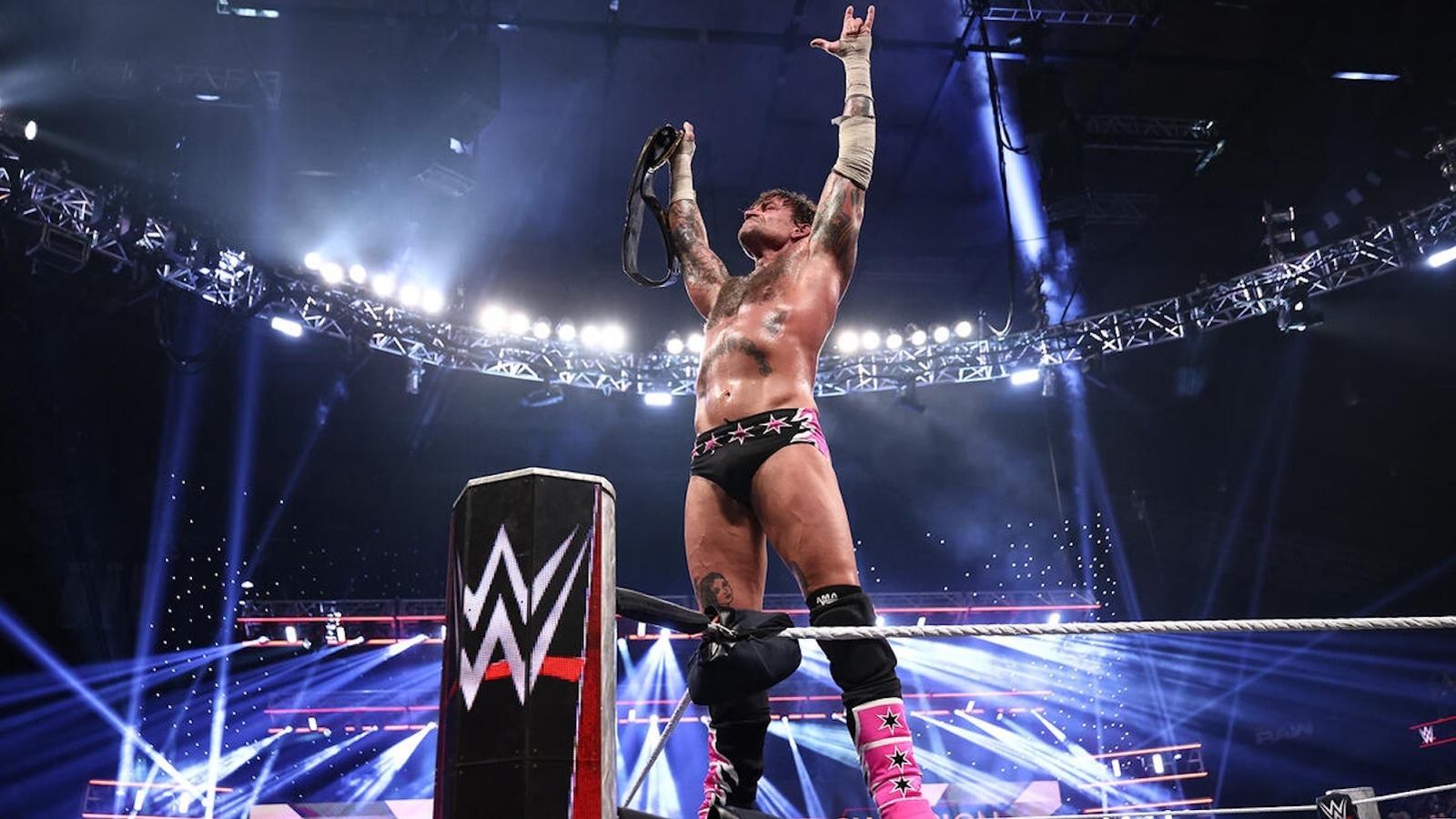
The landscape at the top of the AEW hierarchy shifted irrevocably at the most recent event. As documented in recent reports, the crowning of a new world champion signals more than just a belt changing hands. It marks a transition in the promotion's central narrative engine.
Technical execution during the final sequence was crisp, but the pivot suggests the company is moving away from the stability of the previous reign. The primary challenge now is maintaining viewer interest without the steady hand that defined the past year of television.
The strategic vacuum
When a title changes, the immediate question involves the booking philosophy for the next quarter. We have seen instances where the company oscillates between elevating home-grown talent and utilizing established stars to anchor the main event scene.
The execution of the finish appeared to prioritize immediate shock value over long-term character development. While high-impact spots keep crowds vocal, they often mask the absence of a defined antagonist for the new champion. Without a clear heel trajectory, the second-tier feuds become disjointed by default.
The current roster depth is not being tested effectively. Too many capable workers are left in holding patterns in the mid-card, failing to capitalize on the total 15 minutes of average airtime they receive across weekly shows during tag matches that lack stakes.
Predicting the upcoming fallout
Look for the upcoming television tapings to focus heavily on the immediate challengers. If the booking team opts for a multi-man program, it confirms their hesitance to commit to a single high-tier rival for the new titleholder.
My prediction: We see a split in the championship defense strategy. The company will likely lean into a quick TV defense in the next 14 days before establishing a formal, longer-form program for the next PPV event. If they fail to establish a distinct tone for this champion by August, this entire switch risks becoming a statistical blip rather than a defining moment.
The flaws in the current booking strategy are showing. There is a glaring lack of narrative connective tissue between the secondary belts and the main event scene, leaving the product feeling fractured. Without a central conflict that carries across a three-month arc, they are simply running matches for the sake of ticking inventory boxes.