The night professional wrestling finally grew up
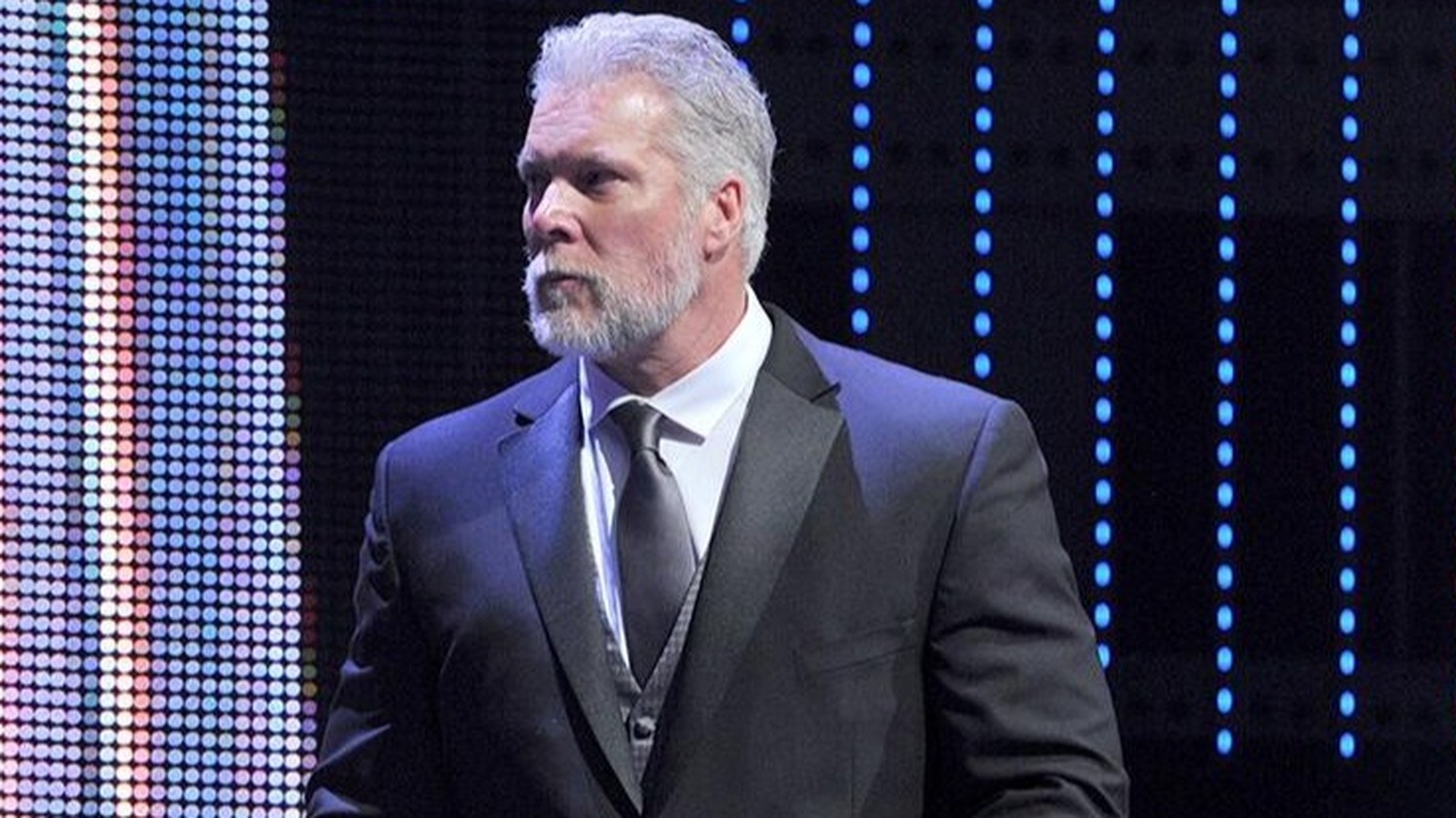
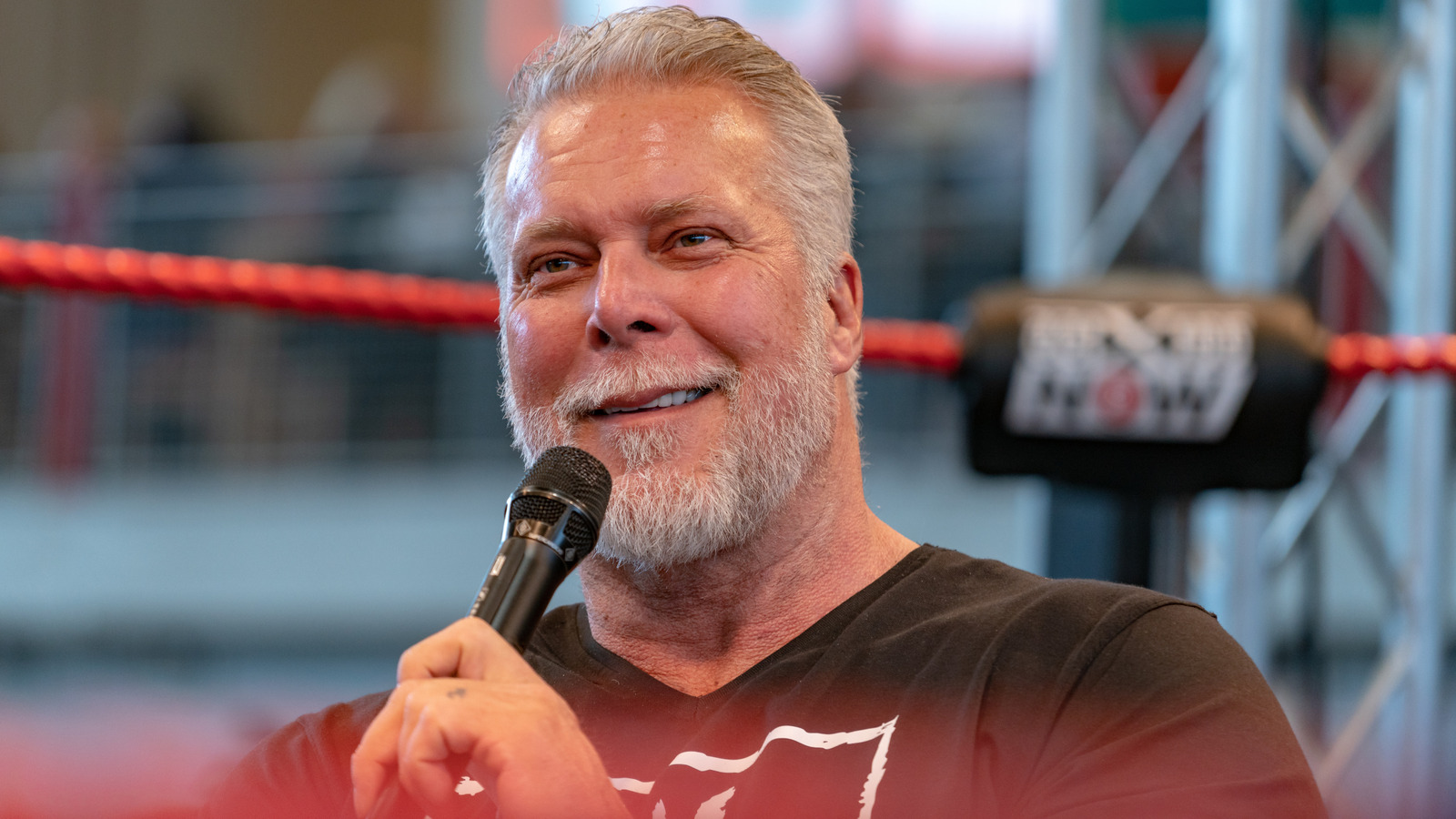
Every July, the wrestling marks crawl out of their basements to talk about Bash at the Beach 1996. It’s the day the air went out of the room for the entire industry. Kevin Nash recently took to social media to commemorate his late brothers-in-arms Scott Hall and Hulk Hogan, and it serves as a brutal reminder of how much has changed. The nWo wasn't just a stable; it was a wrecking ball that flattened the territory-era logic we were all raised on.
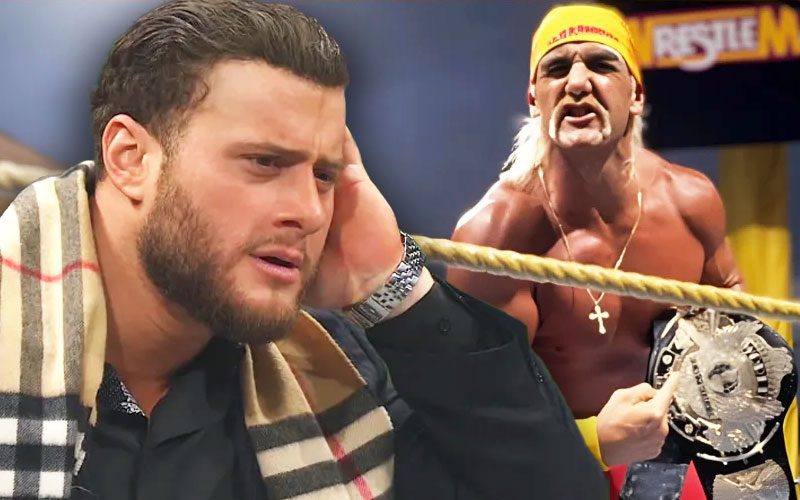
Hulk Hogan dropping the leg on Randy Savage in Daytona Beach shifted the polarity of the entire sport. Nobody expected the red-and-yellow hero to turn his back on the fans, especially not to side with the two guys who had spent months threatening to burn WCW to the ground. That finish wasn't just a heel turn. It was a cultural pivot that made 1980s babyface wrestling look like a museum exhibit.
The cost of the cool kid aesthetic
The nWo gimmick relied on a specific brand of chaos that honestly became a crutch for Eric Bischoff. When Nash, Hall, and Hogan stood in that ring, you felt like you were watching something authentic and dangerous. It didn't matter that the booking eventually became total liquid garbage. For that one year, WCW was the only show that mattered to anyone with a pulse.
The downside? It locked the company into a loop of 'cool' heels instead of compelling stories. By the time they were putting 15 guys in black-and-white shirts, the impact of Hall’s original Outsider act had been buried under a mountain of spray-painted titles and run-ins. You can track the slow decline of the promotion starting the second Hogan uttered those famous lines about the business being changed forever.
Reflecting on the ghosts of Daytona
Seeing Nash post about Hall and Hogan today feels different. Hall passed in 2022, and the wrestling world has been significantly less cool without him. He was the guy who made the nWo work; he had the charisma to carry the mid-90s in a way most guys couldn't fathom. Without his chemistry with Nash, the group would have been relegated to a footnote in history instead of the biggest angle in the last 30 years.
We have to be honest though—the legacy of that night is tainted by the fact that they never knew when to stop. Hogan remained the focal point of the group until it was well past its expiration date, killing off any chance for a new star to take the reins. Turning the nWo into a comedy act later on was a booking failure of epic proportions. It took the most serious threat in wrestling and turned it into an invite-only social club.
The shadow of the Hogan era
Looking back at 1996, the production values were amateur hour by today’s standards. The trash flying into the ring when Hogan hit that leg drop felt like a riot, but now it looks like a scene from a low-budget horror movie. It captures the essence of that specific time—gritty, messy, and totally unscripted in spirit if not in execution.
Nash, Hall, and Hogan created a blueprint that every promotion has tried to copy since. When you see modern factions like The Bloodline or The Bullet Club, you are watching the echoes of that beachside pay-per-view. The tragedy isn't that the nWo ended; it's that we are still chasing the feeling of that specific moment in July 1996 instead of building something entirely new for today's audience.