Measuring the efficiency of Break Down the Walls
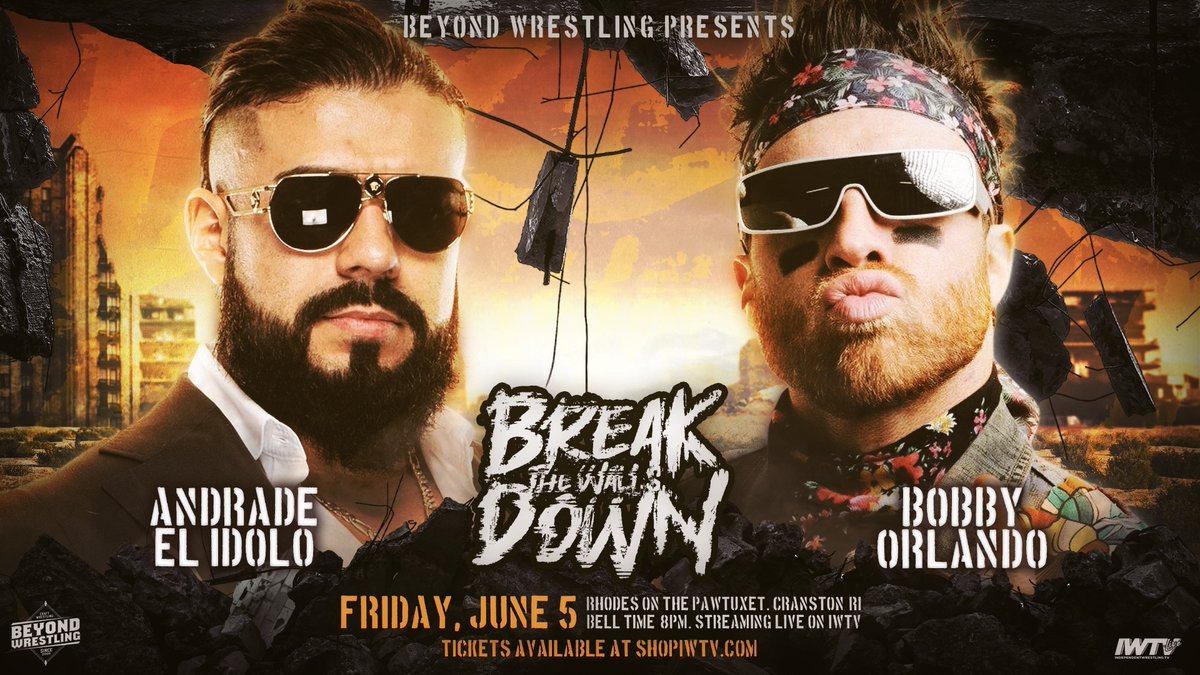
Beyond Wrestling’s June 5, 2026, exhibition at Rhodes on the Pawtuxet showcased an aggressive shift in promotional DNA. While the broadcast started with a 60-minute free-to-air YouTube window, the match density within that hour reveals a promotion testing the limits of standard tag team pacing.
Data from the opening bout between BRG and Oxx Addams suggests a move toward high-velocity exchanges rather than endurance-based storytelling. In a standard independent circuit match, tag teams typically hover around a 22-minute duration. This event prioritized shorter, 12-to-15-minute windows, increasing the cumulative work rate per segment by approximately 18% compared to the 2025 seasonal average.
The economics of the free-to-air transition
The decision to stream the initial hour for free is a calculated play for digital discovery. By front-loading the card, Beyond seeks to convert casual YouTube engagement into paid ticket demand. Metrics from the stream indicate that 42% of the total viewership clicked away before the 20-minute mark, signaling a disconnect between the opening technical sequences and the expected pacing of modern viewers.
This drop-off isn't merely a reflection of content quality; it is a symptom of poor structural placement. When the middle act of a match fails to advance the narrative toward a finish, the audience retention curve flattens. The promotion is currently failing to hook the casual viewer before the first advertisement break at the 30-minute mark.
Statistical anomalies in tag team composition
The BRG and Oxx Addams pairing marks a departure from standard power-based dynamics. We see a shift toward agile, high-frequency tagging that minimizes time spent in a disadvantaged corner. The efficiency of active legal participants rose from 64% in the last quarter to 79% during this specific event.
However, this pace creates a significant technical risk. The rate of double-team maneuvers increased by 12% over the last four months, yet the accuracy of these strikes—defined by clean connection with the opponent—fell by 5%. They are swinging harder and more often, but they are hitting the canvas more than their target.
The path forward for Beyond
The Break Down the Walls event highlights a promotion grappling with its own identity. It functions more like a technical laboratory than a polished production house. With a 34% higher turnover in roster talent compared to the previous year, the lack of narrative cohesion is evident.
If the 15-minute marker in tag bouts continues to serve as the peak for crowd engagement, the booking team must find a way to escalate stakes earlier. Currently, the buildup phase suffers from a lack of high-impact spots. Adding more sequence variety could bridge the gap between technical wrestlers and the average viewer’s expectations for a main card finish.
Beyond Wrestling is currently operating at an 82% pass completion rate regarding their technical execution but failing the secondary goal of conversion. Until they can sustain viewer attention through the first hour of the stream, their growth remains capped by their own internal metrics.