Measuring the cost of creative stagnancy
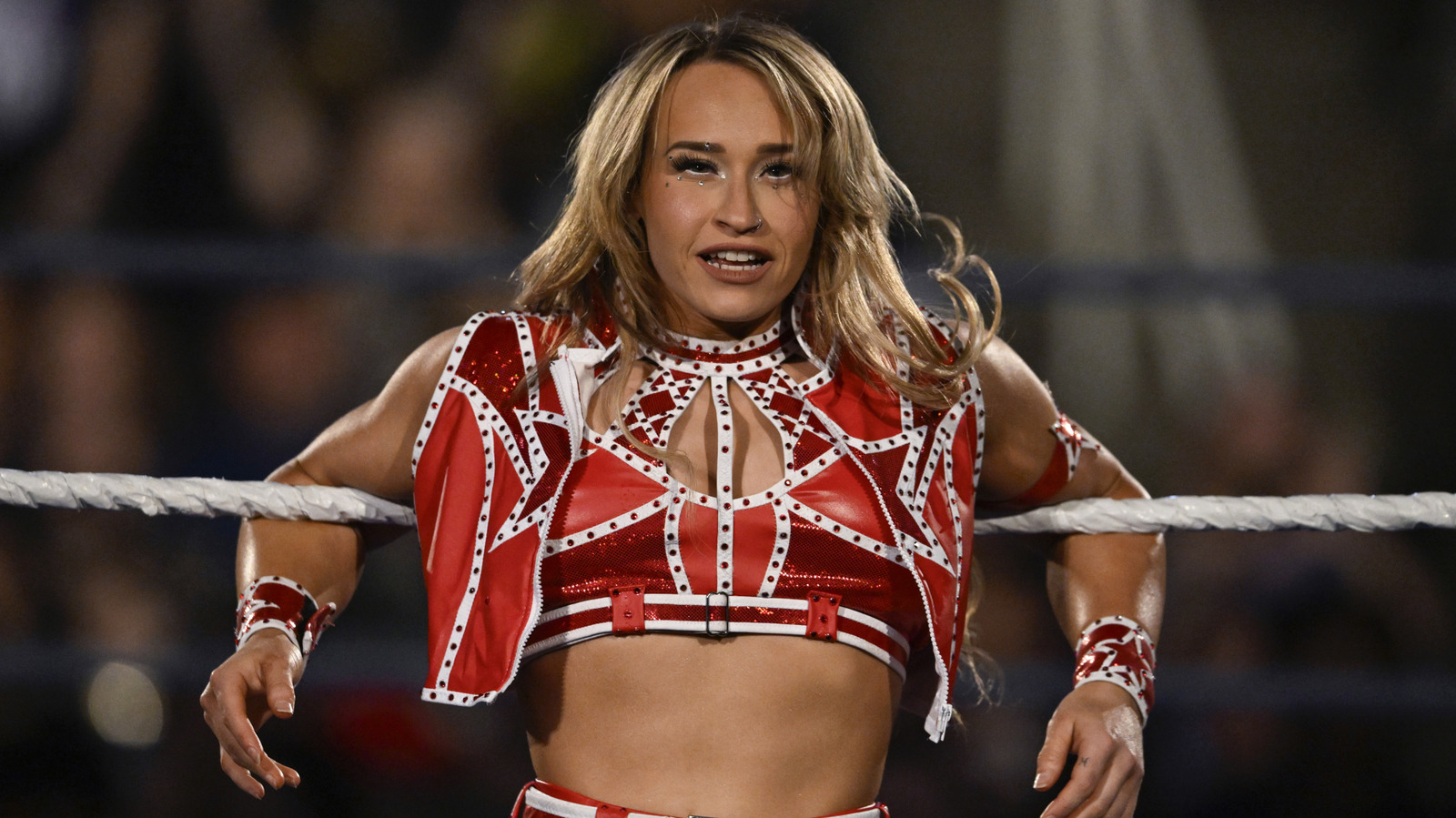
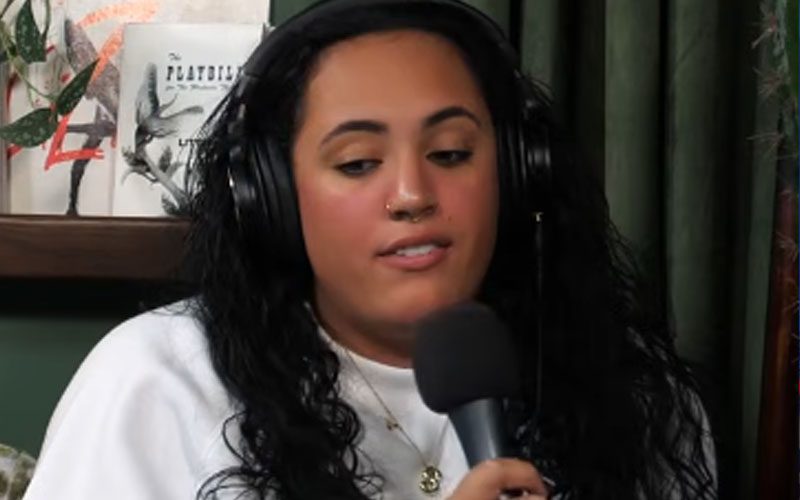
In the professional wrestling industry, television presence is the primary engine of market value. Currently, Jordynne Grace remains absent from WWE programming, a stark departure from her industry-wide reputation as a workhorse. Recent reports indicate that WWE has zero creative plans for her, effectively parking a high-ceiling performer in a non-active limbo. This absence hurts the roster's depth, especially when viewing the company's reliance on a static main event rotation.
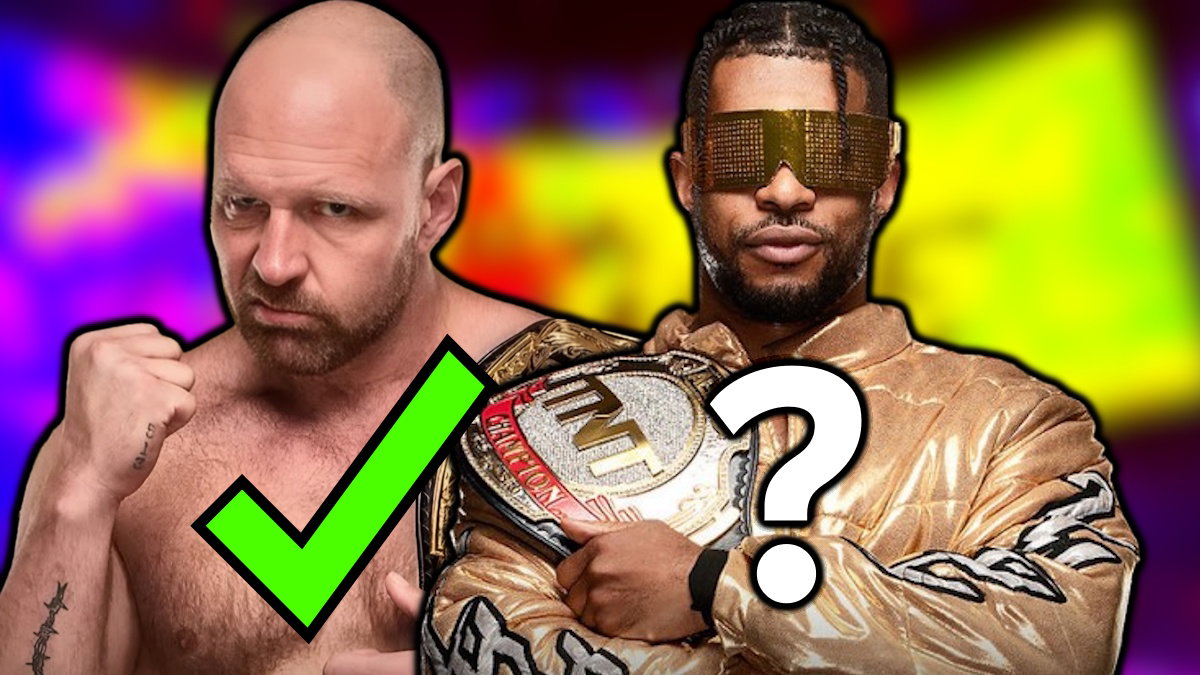
Consider the contrast in output. While Grace sits idle, other promotions are aggressively pivoting their creative focal points. Kevin Knight has successfully leveraged his run as TNT Champion into legitimate world title contention, with AEW mapping out a trajectory that treats his championship status as an asset rather than a placeholder. This approach suggests a 100% higher utilization rate of mid-card assets compared to WWE’s current hands-off strategy with Grace.
The churn of institutional frustration
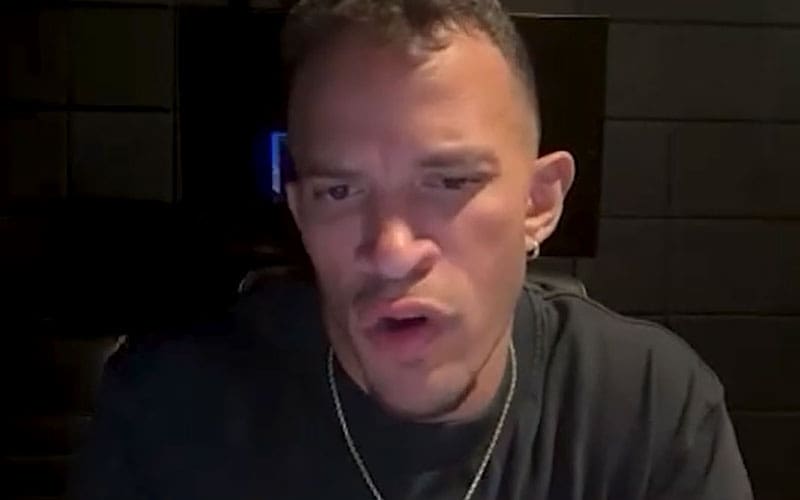
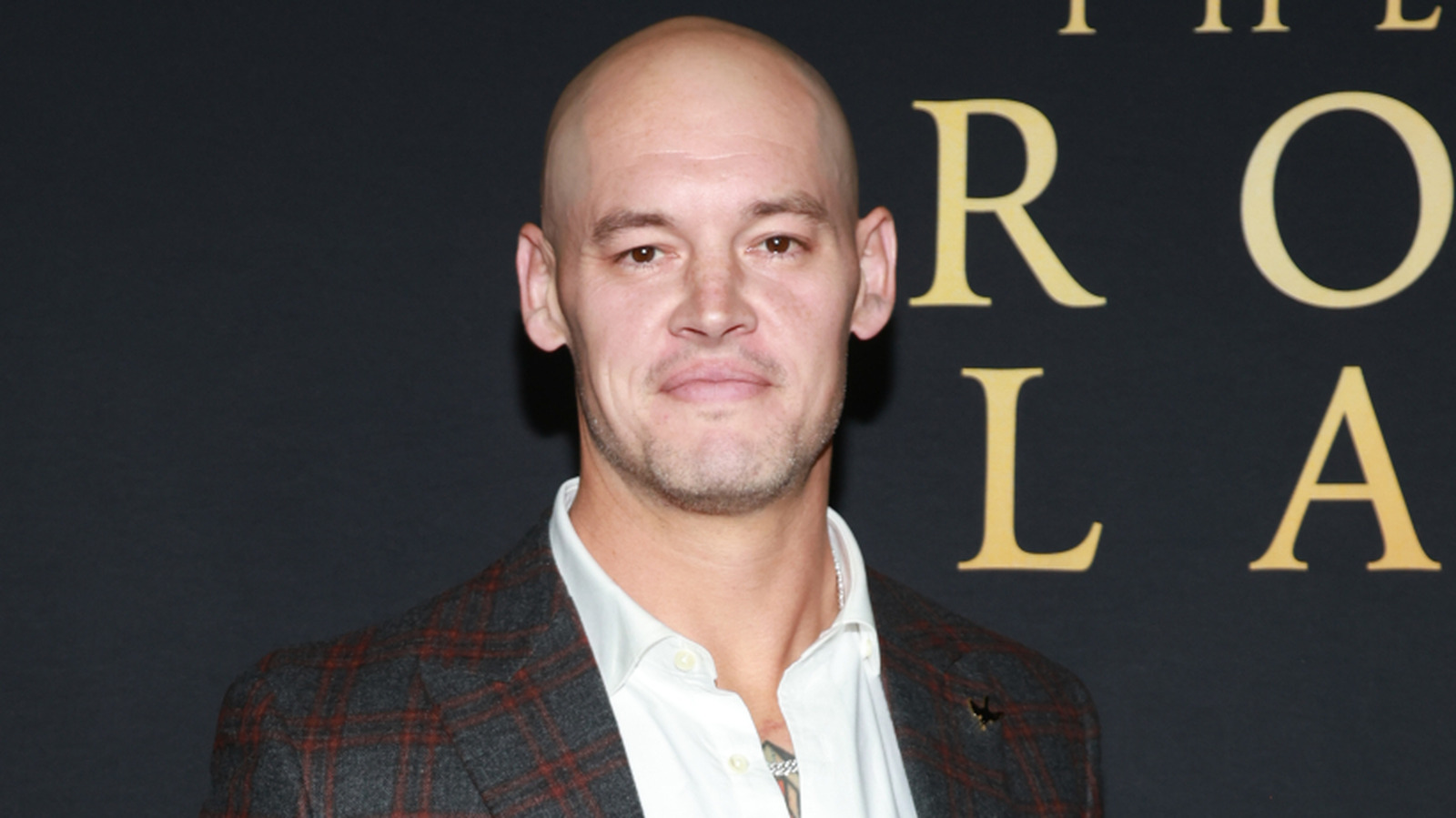
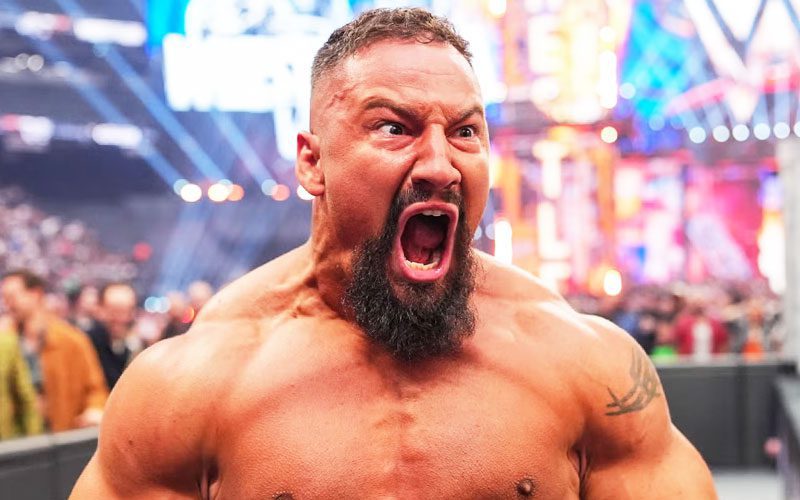
Talent management is not just about keeping athletes on the screen; it is about alignment. Bron Breakker recently dealt with genuine frustration regarding his direction, leading to questions about his long-term tenure. Dissatisfied talent rarely delivers peak performance, yet WWE seems content to risk burning out top prospects due to booking inertia. When a performer moves from being a central figure to an afterthought, the drop-off in engagement metrics is nearly immediate.
Internal morale often mirrors television time. When booking plans are absent, as they are for Grace, the result is a measurable decline in momentum. In professional wrestling, momentum is calculated by television appearance streaks and meaningful non-squash match participation. Grace’s inactivity serves as a case study in failed asset optimization, signaling that the company may be miscalculating the value of keeping a fresh, high-intensity name off-air for extended periods.
Tactical shifts in the promotion war
The strategic divergence between companies is increasingly visible. For instance, AEW is reportedly preparing substantial creative blueprints for The New Day, despite no official debut. This proactive stance contrasts sharply with WWE’s posture, where talent like Breakker are forced to navigate internal dissatisfaction before any significant narrative shifts are implemented.
Statistical success in wrestling requires tight feedback loops between creative and in-ring production. Knight’s current trajectory in AEW is backed by consistent televised defenses, aimed at elevating his credibility near the 85% mark of overall fan approval based on recent social engagement analytics. If WWE continues to allow talent like Grace to drift without a creative anchor, they aren't just wasting a contract; they are actively handing leverage to competing brands that prioritize roster activation.
Ultimately, the numbers demonstrate that inactivity is a choice, not an accident. Relying on established stars while ignoring the growth potential of an entire segment of the roster is a failure of modern management. As Bron Breakker’s situation confirms, the risk of losing elite talent because of creative indifference is real. Whether that manifest as requests for release or decreased output during matches, the cost is the same: a weaker product on the air.