The ROH connection that changed wrestling forever
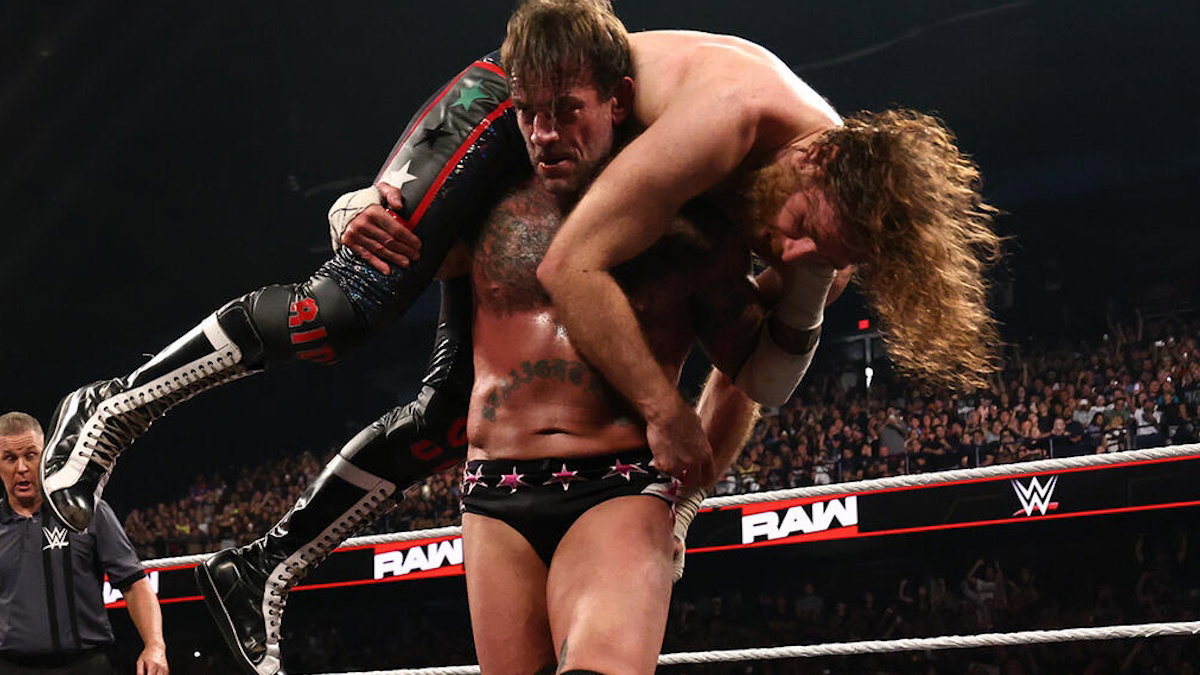
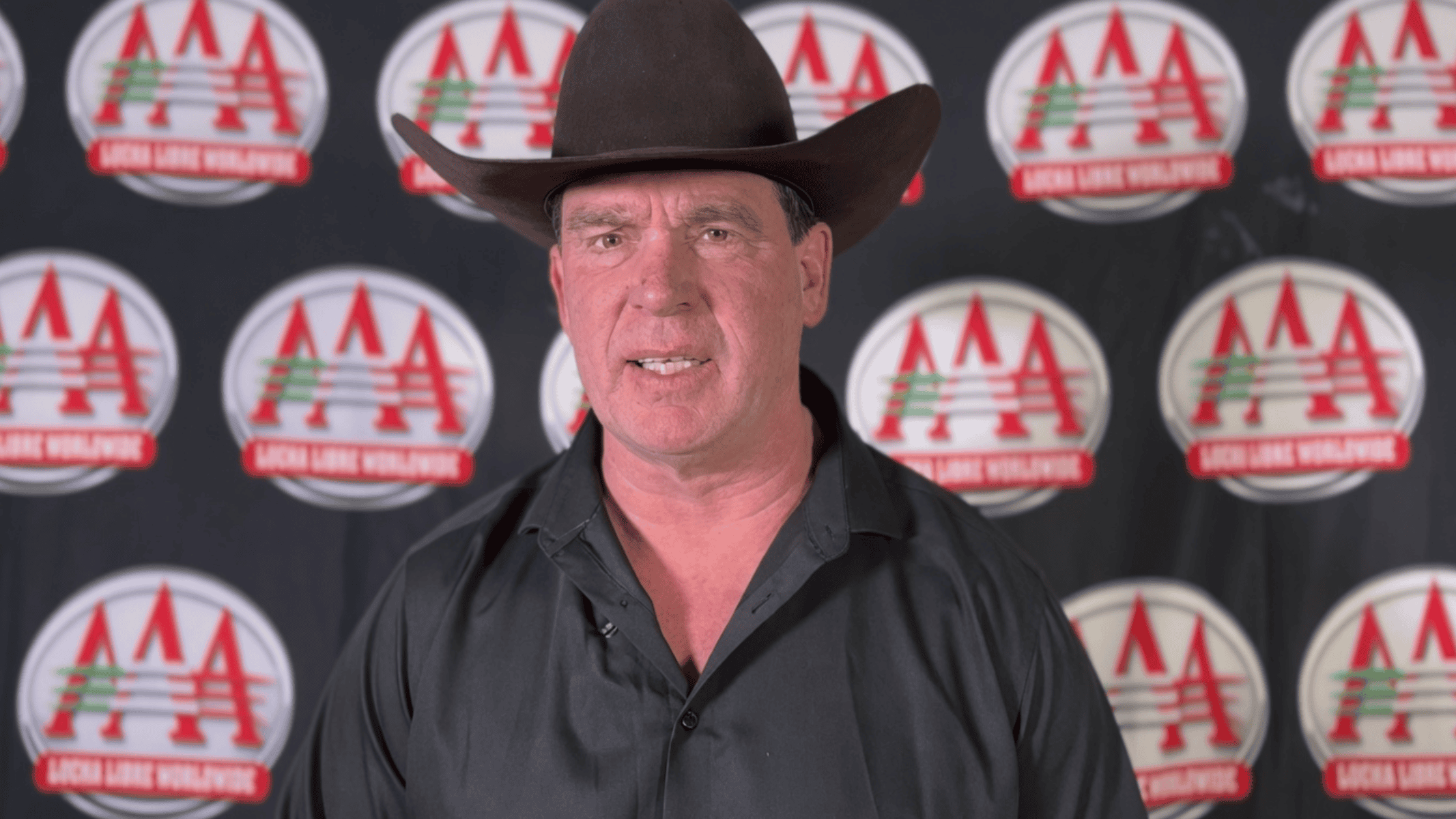
If you were around for the indie boom of the mid-2000s, you remember the sweat, the high school gym floors, and that specific, electric tension whenever CM Punk grabbed a microphone. Cary Silkin, the man who steered the ship at Ring of Honor, recently shared his thoughts paying tribute to CM Punk, and it hit like a walk down memory lane for anyone who watched the business evolve during that era.
Silkin isn't just some random suit; he’s the guy who put the money up and let the talent cook. Watching the industry grow from those humble origins to the corporate behemoth it is now makes his perspective on Punk’s foundational years refreshing. It wasn't about pyro or massive LED screens. It was about being the best technical wrestler in the ring while convincing the crowd you were ready to burn the whole place down.
Punk was the original disruptive outlier
Let’s be real: Punk was never the prototype for what executives wanted. He didn't have the bicep measurements of a 90s action figure, and he certainly didn't have the corporate-approved haircut. But he had grit, and in the ROH environment of 2004, that counted for double. Watching him work a crowd was a tutorial in psychological warfare.
He didn’t just execute moves; he built feuds that felt like actual beef. Whether he was battling Samoa Joe in a 60-minute draw or dropping pipebombs before the term even existed, he demanded your attention. Most wrestlers pray for a pop; Punk commanded one through sheer force of personality. The industry owes a debt to that specific brand of authenticity.
The ROH legacy isn't just a highlight reel
We see a lot of modern wrestling discourse obsessed with work rate and star ratings. While I love a good sequence of snap suplexes as much as the next guy, the ROH style was about that connection with the front row. Silkin helped cultivate a scene where the barrier between the performer and the fan felt nonexistent. That risk paid off in dividends for the entire business, even if it meant living on a shoestring budget.
Of course, not everything from the golden age of the indies was perfect. The booking could be chaotic, and the production quality often looked like it was filmed on a potato held by a fan in the third row. Even so, the sheer passion pushed it through. You can argue until you're blue in the face about what Punk represents to WWE or AEW today, but the ROH roots are where the actual character was forged in fire.
Why the industry keeps circling back to this era
It is genuinely fascinating how often we return to these stories. We are living in a time where every match needs a backstory, a video package, and 15 minutes of segment time before the bell rings. Maybe we've lost some of that raw, unadulterated energy that defined the ROH days. If you go back and watch the early archival footage, you won't see a polished machine.
You see young, hungry people trying to make a name for themselves in front of 300 people. That hunger is what Silkin is acknowledging, and it is something you simply cannot manufacture in a writers' room no matter how many budget cycles go by. Some might say it was a smaller time, but it was a louder time for the people who really cared.
The bottom line on the Punk era
Ultimately, these tributes remind us that the wrestlers are the ones who carry the story when the scripts fail. We’ve seen recent issues regarding how fans interact with performers, which feels like a total departure from the respect that was baked into that indie culture. Protecting that relationship between the ring and the ringside seat is paramount. Without it, we lose the magic that Silkin and folks like Punk spent decades refining.
Read Next
- WWE gambles on the legacy of Saturday Night's Main Event
- Booking the Saturday Night's Main Event tag match is a massive risk
- Top 10: The High-Stakes Main Event Landscape as of July 2026
- WWE’s data-first booking strategy is hitting a wall
- 🏆 WrestleMania 41 — Full Coverage Hub
- 💊 CM Punk WWE 2026 — Best in the World