The Collision experiment was a car crash in slow motion
Remember when AEW Collision was pitched as the "wrestler's show"? It was supposed to be the gritty, grounded alternative to the high-flying spectacle of Dynamite. Instead, it turned into the most public ego trip in the history of televised wrestling. The revelation that CM Punk essentially acted as the de facto booker for his own Saturday night fiefdom explains why that show felt like such a disjointed, awkward mess.
Tony Khan is the owner, but he clearly handed the keys to the kingdom over to a guy who treated the locker room like a personal list of who was naughty and who was nice. You want to know why names like Ryan Nemeth were reportedly barred from the building? It wasn't because of a complex creative strategy. It was because the guy who held the final say on the roster sheet decided their vibe didn't match his narrow view of what professional wrestling should look like.
Gatekeeping the show that nobody asked for
There is a specific kind of arrogance required to walk into a company that prides itself on being a collaborative shop for talent and then proceed to build a wall around your specific corner of the business. By cherry-picking exactly who could step through the curtain on Saturdays, Punk didn't create a brand. He created a sterile, uncomfortable environment that sucked the air out of the room.
Compare this to the early days of ECW. Paul Heyman didn't need to banish people from the building to establish an identity. He just booked a show so chaotic and distinct that guys either fit in or they didn't. Punk, by contrast, needed a velvet rope. If you were on the wrong side of his personal history—like so many guys who existed before his 2021 return—you were effectively erased from the weekly narrative.
The cost of catering to one man's vision
This explains the weird, suffocating tone of those early Collision broadcasts. You had guys like Dax Harwood and FTR acting as the de facto guards of the gate, likely because the person holding the pen wanted a roster that looked and wrestled exactly like his memories of 2005. It’s hard to make a wrestling product feel fresh when every single segment feels like it was put through a 40-year-old filter.
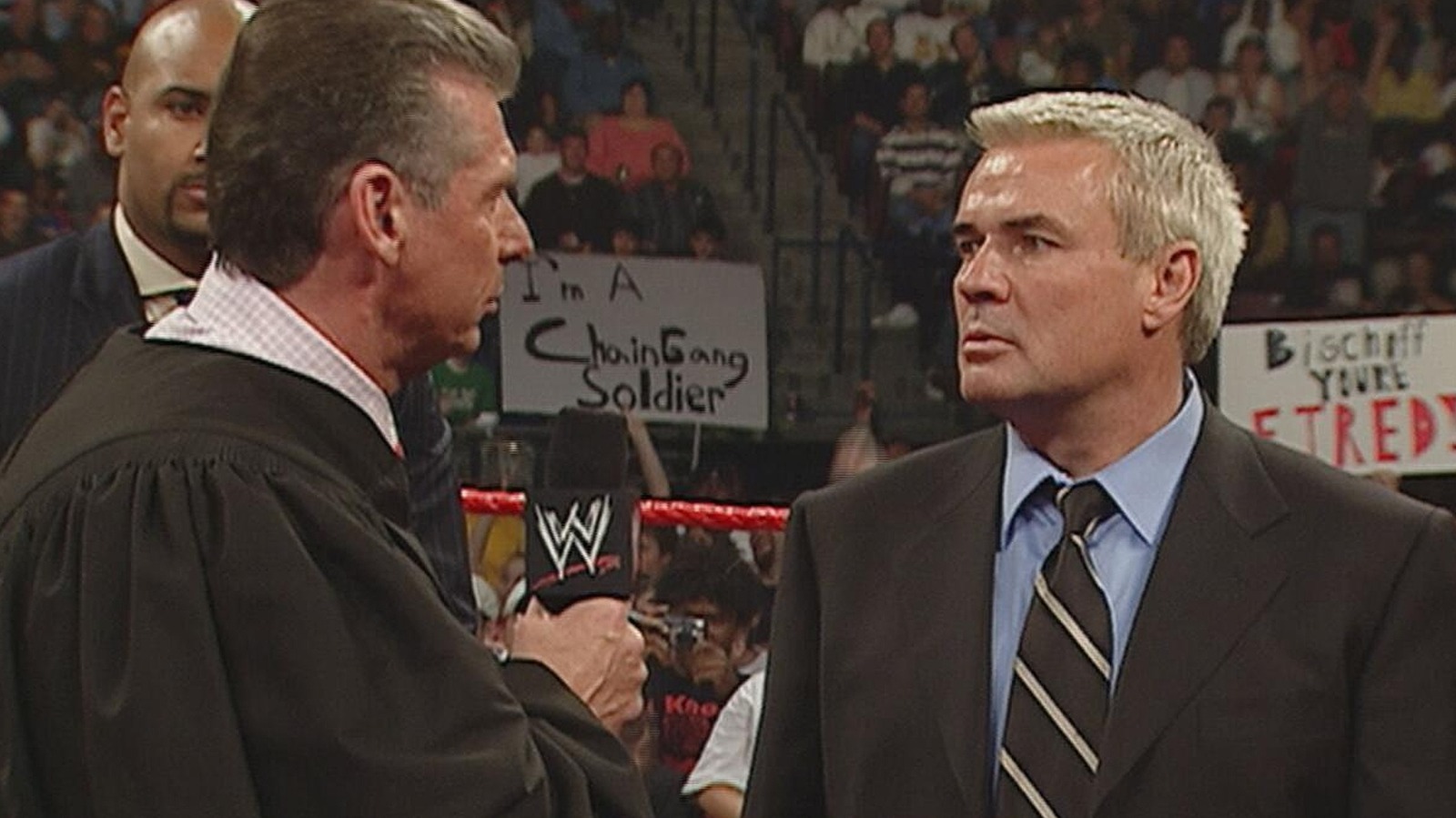
We talk about Eric Bischoff arriving in WWE as a moment that broke fans' brains because it was the ultimate reversal of fortunes. But the CM Punk Collision situation was different. It didn’t feel like a surprise; it felt like a slow-moving administrative disaster. When you let a talent dictate which peers are allowed to work a show, you aren't building a brand. You are building an echo chamber.
Even worse? The quality of the actual matches suffered. When the booking pool is restricted to people who don't challenge the lead guy's ego, you end up with predictable outcomes and stale feuds. It stopped being about whoever was the best hand, and it started being about whoever belonged in the "Punk Club." That is death for a promotion that relies on its variety of styles to differentiate itself from the giant in Stamford.
A leadership failure from the top down
Let’s be honest about where the real blame lies. You can’t blame Punk for wanting total control, because almost every top star in history—from Hogan to Jarrett—would take that power if given the chance. The fault lies with the guy writing the checks. When you treat your locker room as a group of employees you need to placate with their own personal programs, you lose the plot.
Sheamus has said he doesn't lose sleep over missing out on midcard titles, but that’s because the guy understands his role in the broader machine. He didn't demand he get to fire half the roster to make his title run feel better. Check out how those dynamics play out, and you realize that even top-tier veterans in WWE have to navigate a system that doesn't revolve entirely around their personal grudges.
The Collision era stands as a reminder that wrestling is at its best when it's a team sport. Once you invite the lead guy to curate the environment for his own comfort, you stop being a wrestling company and start being a vanity project. The show eventually moved past the internal drama, but the damage to the optics was already done. That isn't just bad booking; it's bad business to the tune of hundreds of thousands of dollars in wasted potential.
At the end of the day, a promotion is only as good as the trust between the locker room and the office. When that trust was traded for a quiet dressing room and a controlled roster list, AEW lost the very thing that made it exciting in the first place: the unpredictability of a fresh, unified squad. Collision survived, but it took years for the stench of that backstage management style to finally dissipate.
Read Next
- AEW's booking leaves fans screaming into the void
- Thunder Rosa's exit from Busted Open exposes the new broadcasting reality
- Chicago’s September showdown puts AAA and AEW on a collision course
- AEW's television future is trapped in a multi-billion dollar legal slog
- 🏆 WrestleMania 41 — Full Coverage Hub
- 💊 CM Punk WWE 2026 — Best in the World