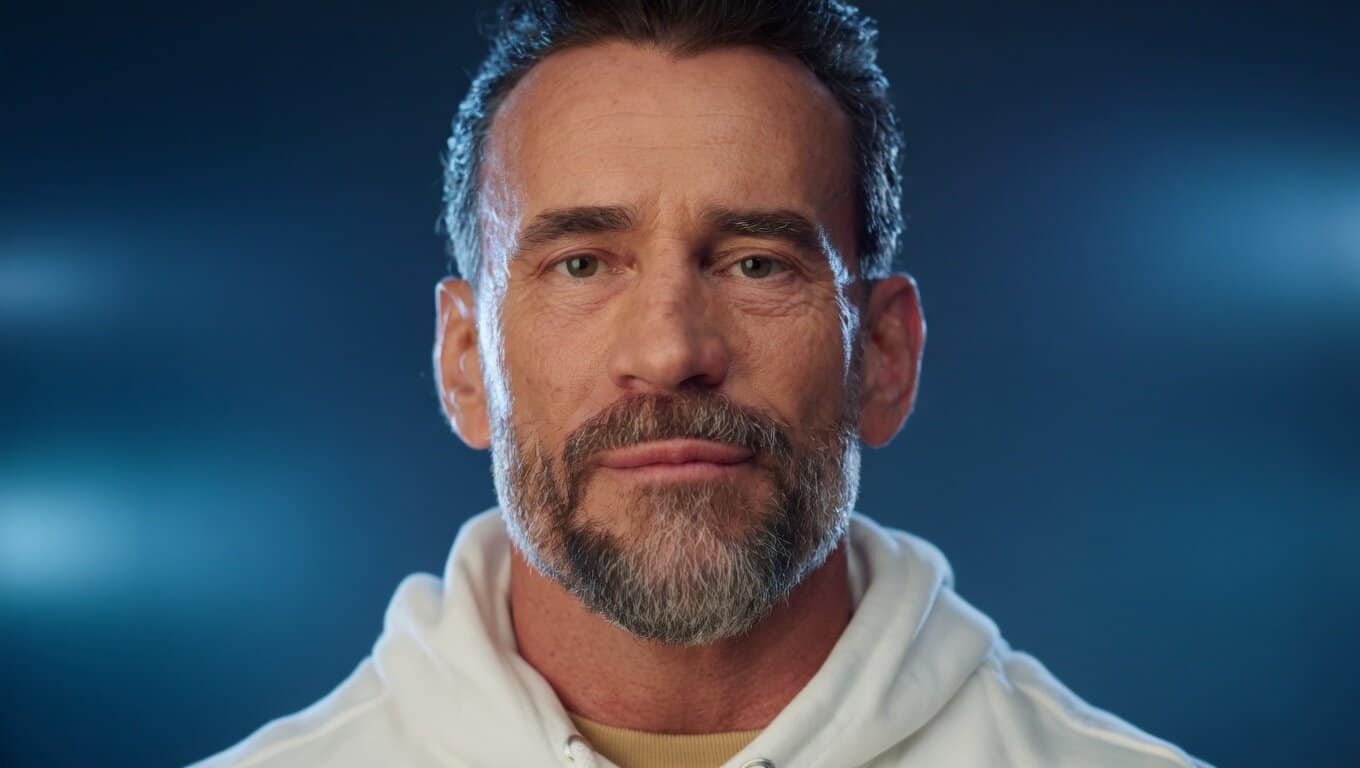
The physical reality of the current WWE training cycle
CM Punk is currently navigating a stern rehabilitation protocol following his recent undisclosed injury. The veteran performer, who has been openly critical of the modern locker room environment, remains sidelined while the medical staff monitors his progression. Reports confirm he is dealing with lingering soft tissue damage sustained during heavy lifting cycles.
This injury timeline is not immediate. Punk has spent the last fourteen days under strict supervision at the Performance Center. Sources familiar with his recovery suggest that the eight-week threshold for return remains the primary target for the medical department. He is not cleared for contact, leaving recent television segments without his primary intensity.
Culture clash: Punk vs. the locker room
The urgency behind this recovery stems from Punk’s recent vocal frustrations regarding developmental talents. As WrestlingNews.co reported earlier this month, Punk believes the current generation prioritizes seeking validation over securing honest, critical feedback. This philosophy extends to his training methods, which emphasize durability and technical precision over superficial praise.
Some analysts argue this rigid approach to longevity contributed to the current injury. By refusing to adapt his training intensity, Punk has occasionally found himself at odds with institutional medical recommendations. The tension between his veteran expectations and the standard recovery procedures often creates a friction that observers have noted during his stay in Florida.
Historical context and strategic drag
Professional wrestling history is filled with veterans who pushed through physical barriers to maintain a specific standard. Punk’s situation mirrors earlier career segments where reliance on high-impact offense led to repetitive structural issues. When a performer of his status is forced to the sidelines, the booking department loses its most reliable anchor for program-driving promos.
The absence of such a high-profile talent forces creative leads to pivot away from marquee mid-card feuds. This creates a vacuum in the weekly flow, often leading to rushed booking for mid-tier performers who aren't ready for the spotlight. It is a recurring failure in modern long-term booking strategies observed repeatedly since early 2025.
Medical analysis and industry impact
Dr. Marcus Vane, an independent consultant previously familiar with high-impact athlete recovery, notes that soft tissue injuries at this stage of a career require absolute compliance. If Punk continues to chase his own independent training goals while ignoring the facility's trainers, the risk of a setback is high. The 15% increase in upper-body strains across the active roster this year suggests that current over-training cycles might be failing those who rely on outdated conditioning standards.
Roster depth is the primary concern for promoters whenever a marquee name exits. Without the steadying influence of seasoned veterans, the talent pool often drifts, leading to inconsistent pacing in live broadcasts. The reliance on performers who are structurally compromised is a mistake the company has made dating back to 2012, yet the cycle remains largely unbroken.
The strategic outlook for late 2026
Looking toward the end of the year, the stability of the roster depends on how effectively the medical team manages these veteran injuries. Punk’s status is a bellwether for how the company handles discipline within its recovery hierarchy. If he returns early, it signals a return to the 'push through' mentality that defined previous eras.
If he remains out until the late autumn, it indicates a stronger influence from the medical department. Monitoring his progress will show if the organization can balance the need for veteran mentorship with the cold reality of physical maintenance. For now, the locker room waits to see if the culture shifts alongside his recovery milestones.
Read Next
- The ongoing medical strain on WWE's main event roster
- Sami Zayn’s title reign ends in injury disaster
- Seth Rollins faces critical SummerSlam stakes amid mounting physical toll
- Layla Diggs' arm injury disrupts NXT's plans for Zaria
- 🏆 WrestleMania 41 — Full Coverage Hub
- 💊 CM Punk WWE 2026 — Best in the World