Legal motion filed in Barthel controversy
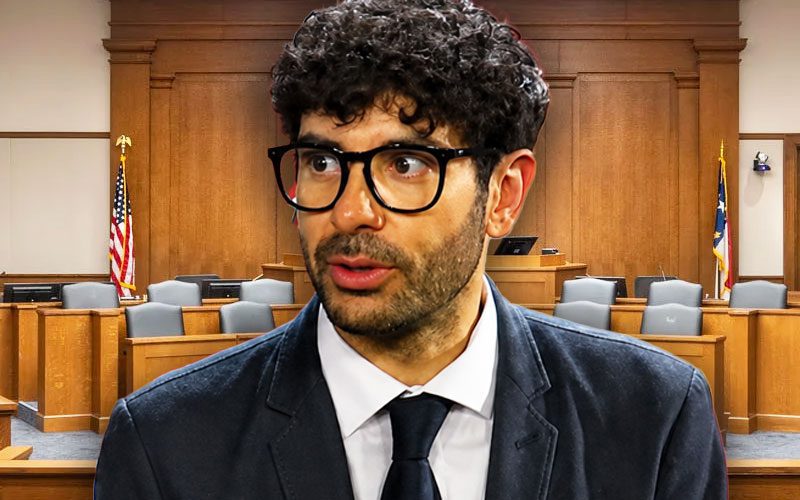
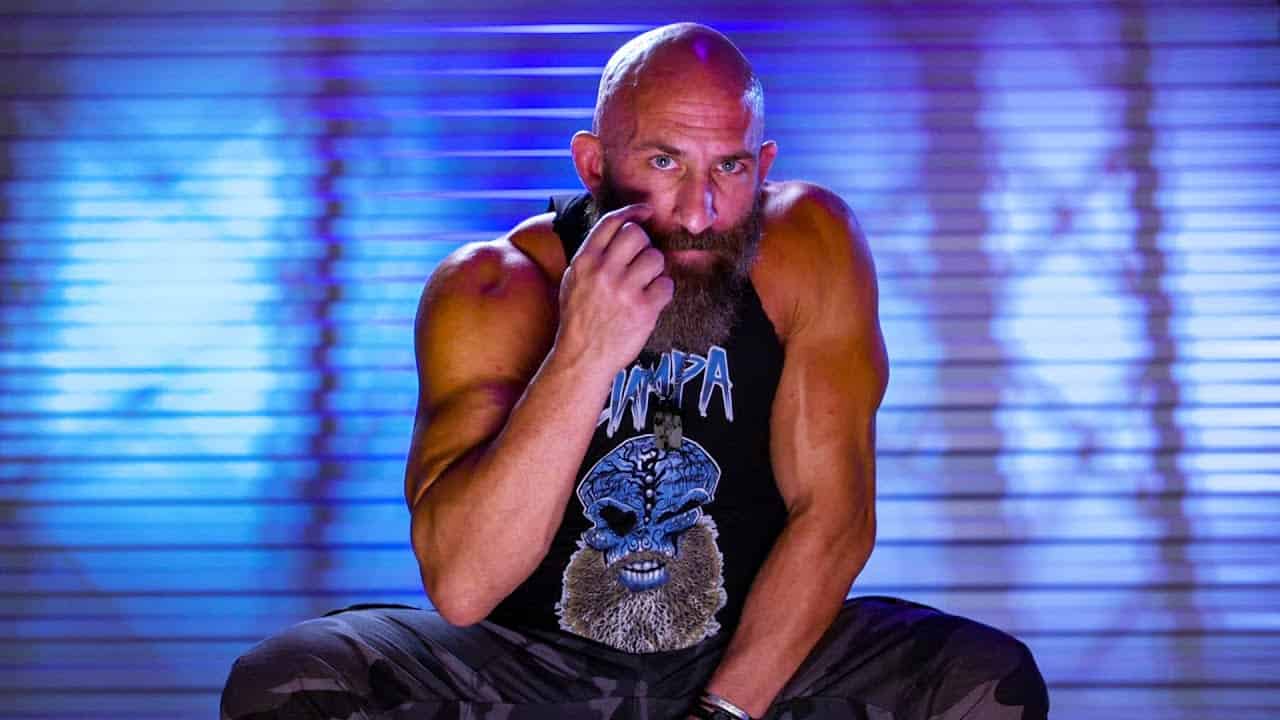
WWE performer Marcel Barthel, currently competing under the ring name El Grande Americano, has officially filed a motion to dismiss pending criminal charges against him. The filing, substantiated by documents reviewed via recent reports by PWInsider, shifts the narrative surrounding his ongoing legal battle. Barthel claims the incident leading to his arrest was instigated by a racially charged remark directed toward his girlfriend.
This development comes as Barthel remains pulled from all active television tapings. WWE management has maintained a rigid distance since the charges were filed, effectively placing his current gimmick in a state of suspended animation. The company has a historical tendency to bench performers until legal clarity is achieved, a strategy that complicates creative direction for the Friday night brand.
Impact on SmackDown creative
The absence of such a prominent performer disrupts scheduled mid-card feuds on SmackDown. Writers had positioned Barthel as a focal point for the mid-summer push following his rebranding. Without him, the promotion has been forced to scramble, resulting in disjointed segments involving secondary talent that lack the necessary momentum to draw ratings.
Technical execution has suffered as a result. The reliance on quick-fix matches to fill the vacant time on television has led to pacing issues. Viewers have noted that recent contests feel like placeholders rather than meaningful shifts in storyline progress. This represents a failure in contingency planning, as relying on talent currently facing serious legal hurdles is objectively a high-risk gamble.
Historical precedents for WWE legal absences
WWE has faced similar scenarios repeatedly over the last decade. Generally, when a performer is entangled in criminal proceedings, they are removed from the roster immediately to mitigate corporate reputational damage. Past instances involving talent like Rich Swann or Adam Rose show that returning to the ring after legal resolution is not guaranteed, even if charges are eventually dropped or dismissed.
The company typically waits for a formal adjudication before determining if a contract termination or a return to the screen is appropriate. Barthel's situation creates a specific bottleneck for the creative team. If the motion to dismiss is granted, WWE will face the PR challenge of determining if the public sentiment allows for his immediate integration back onto the roster.
Strategic risks
Stalling a character-building arc midway through an established cycle creates long-term damage to the viewer's investment. When a wrestler disappears without a kayfabe explanation, the audience often loses interest entirely. This is a recurring issue in modern professional wrestling where talent management frequently outpaces the ability to write coherent pivots.
Barthel’s motion alleges a specific incident of harassment, which adds a layer of complexity to the internal investigation process. Legal teams working for the promotion are likely reviewing the transcript of his filing to decide the next move. Until then, the roster slot remains dead air, and the company remains vulnerable to intense scrutiny depending on how the judge rules on the motion.
If the charges move to a full trial, the timeline for an in-ring return extends into 2027. This duration is effectively a death knell for his current character viability, as fan memory is inherently fickle. The front office now must weigh whether to weather the storm or cut ties to maintain a clean slate for the rest of the quarter.
The financial impact of the legal discovery process on individual talent is rarely discussed, but it forces a strain on resources that inevitably impacts training and conditioning. Barthel has been sidelined for a significant period during the peak summer touring window. Maintaining peak physical condition while navigating a court appearance is a grueling task, and his physical readiness upon any future reinstatement remains a point of concern for medical staff.
Ultimately, this situation is a reminder of the fragility of booking plans. One major external factor renders months of creative planning moot. Management is once again reacting to chaos rather than controlling the narrative, a recurring theme in mid-tier roster management this year.