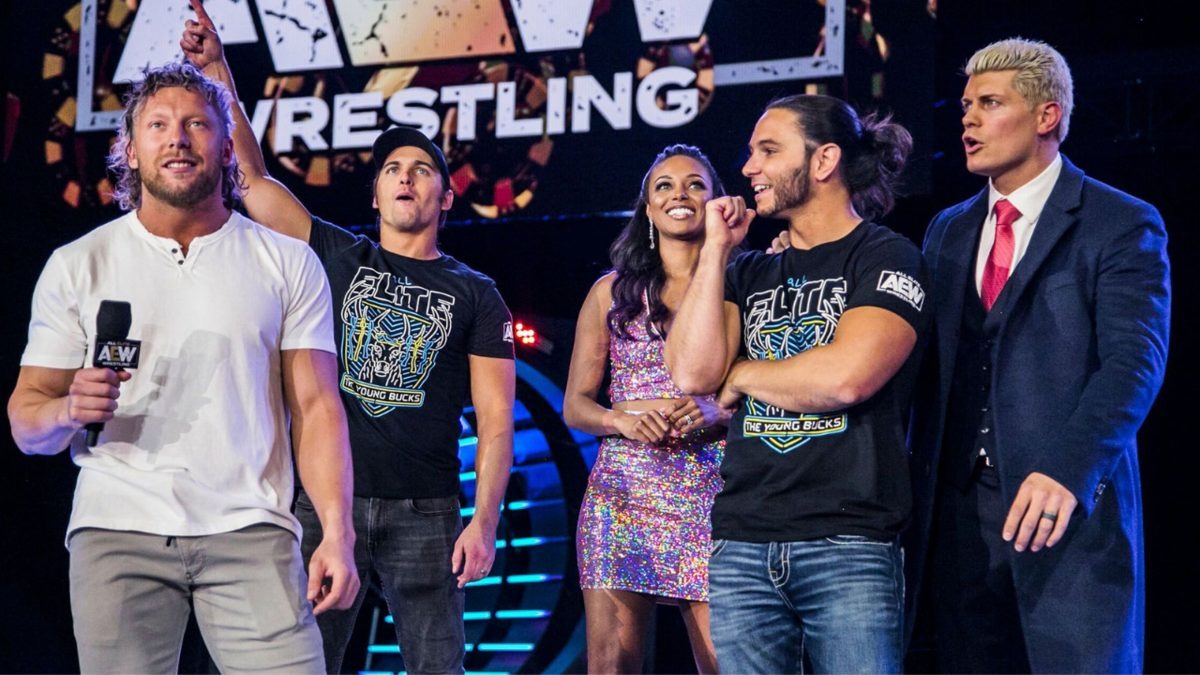
Cody Rhodes is wielding his leverage in the smartest way possible
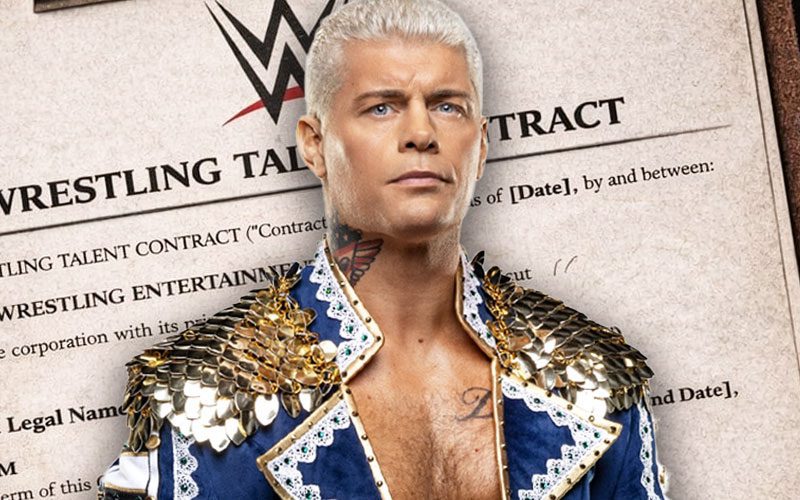
The contract clause that defines Cody Rhodes
Professional wrestling is rarely as transparent as recent behind-the-scenes accounts suggest. When Cody Rhodes confirms he inserted a unique clause into his WWE contract to ensure a specific legend received payment, it signals a departure from the traditional talent-promotion dynamic. Rhodes is not just performing at the top of the card; he is operating with the autonomy of a veteran executive.
This kind of move is rare in an industry where leverage is often measured in merchandise points or private jet travel. By explicitly prioritizing the compensation of a peer or mentor, Rhodes establishes a cultural marker within the locker room. It shifts the power dynamic, proving that the top star possesses enough capital to influence corporate ledger sheets without compromising his own position.
The internal cost of the WWE roster cycle
Relying on legacy stars while nurturing the next generation creates a fragile balance. We see the consequences of this when unexpected injuries force a promotional pivot mid-cycle. Replacing Rhea Ripley with Tiffany Stratton on the Night of Champions poster confirms that even the biggest stars are vulnerable to the physical reality of the sport.
This is a recurring flaw in the current booking model. The reliance on a narrow tier of talent creates a massive fallout risk when a headliner goes down. While Stratton is a logical successor in terms of raw talent and audience reception, the gap left by an absent Ripley disrupts the flow of the summer card by 100% in terms of narrative weight. It exposes a lack of depth that cannot be fixed by a simple graphic swap.
Tactical friction in the PFL middleweight division
While the WWE maneuvers through its star-power crisis, the PFL is looking toward Charlotte on August 7th, 2026, to solidify its own middleweight identity. The upcoming return to North Carolina highlights a division defined by distinct tactical clashes. The matchmaking between Bryan Battle and Dalton Rosta represents a specific stylistic test for the promotion.
Battle brings a technical approach that requires distance management, while Rosta has consistently prioritized pressure at the fence. The success of this event depends on whether the PFL can translate these individual styles into a cohesive tournament narrative. If the bouts grind to a halt in the clinch, the audience loses the urgency required to drive long-term interest in the middleweight bracket.
The current scheduling includes three marquee 185-pound fights. If these matches result in split-decision crawls rather than decisive finishes, the division risks stagnating before the playoffs begin. The average finish rate in the middleweight division over the last six events sits at 42%, a number the promotion must improve to remain competitive in a crowded combat sports market.
Whether it is Rhodes ensuring his colleagues get paid or a promoter balancing a middleweight card, the underlying theme is the same: sustainability. WWE is finding that their reliance on glass-cannon booking is a liability, whereas Rhodes and the PFL middleweights are attempting to create systems that withstand the attrition of a long season. If the injury bug continues to bite and the pacing of the octagon action lags, the short-term gains of these big names will lose their luster by the time autumn hits.
Read Next
- Bryan Battle vs. Dalton Rosta is the tactical test the PFL needs
- WWE’s Night of Champions pivot exposes a heavy reliance on brittle stars
- Cody Rhodes and the weight of a professional legacy
- Vince McMahon's high-stakes gamble on Saudi Arabia continues to define WWE
- 🏆 WrestleMania 41 — Full Coverage Hub
- 💥 WWE Backlash 2026 — Full Coverage Hub
WWE Elite Collection Series 100 Action Figure
Poseable, high-detail figures that capture the intensity of the ring.
Frequently Asked Questions
What unique clause did Cody Rhodes include in his WWE contract?
How does WWE manage roster instability when top stars get injured?
Why is the PFL focused on the Charlotte event for their middleweight division?
What is the primary concern for the PFL middleweight division's growth?
How does Cody Rhodes change the power dynamic in the WWE locker room?
More Coverage
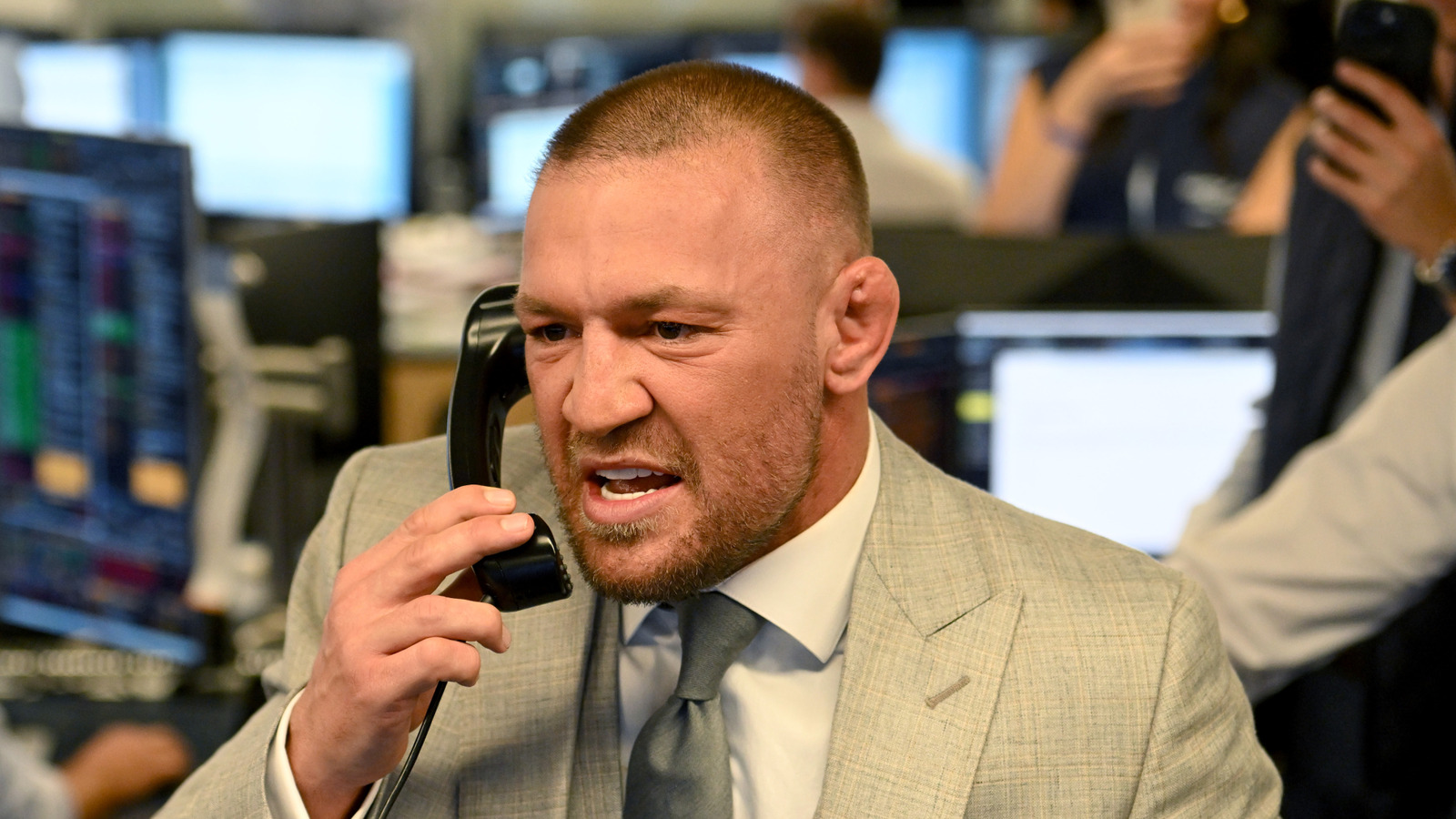
Conor McGregor is right to be annoyed by the Roman Reigns crossover
52 minutes ago
Titus O'Neil's recent industry conduct sets up an uncomfortable reality
2 hours ago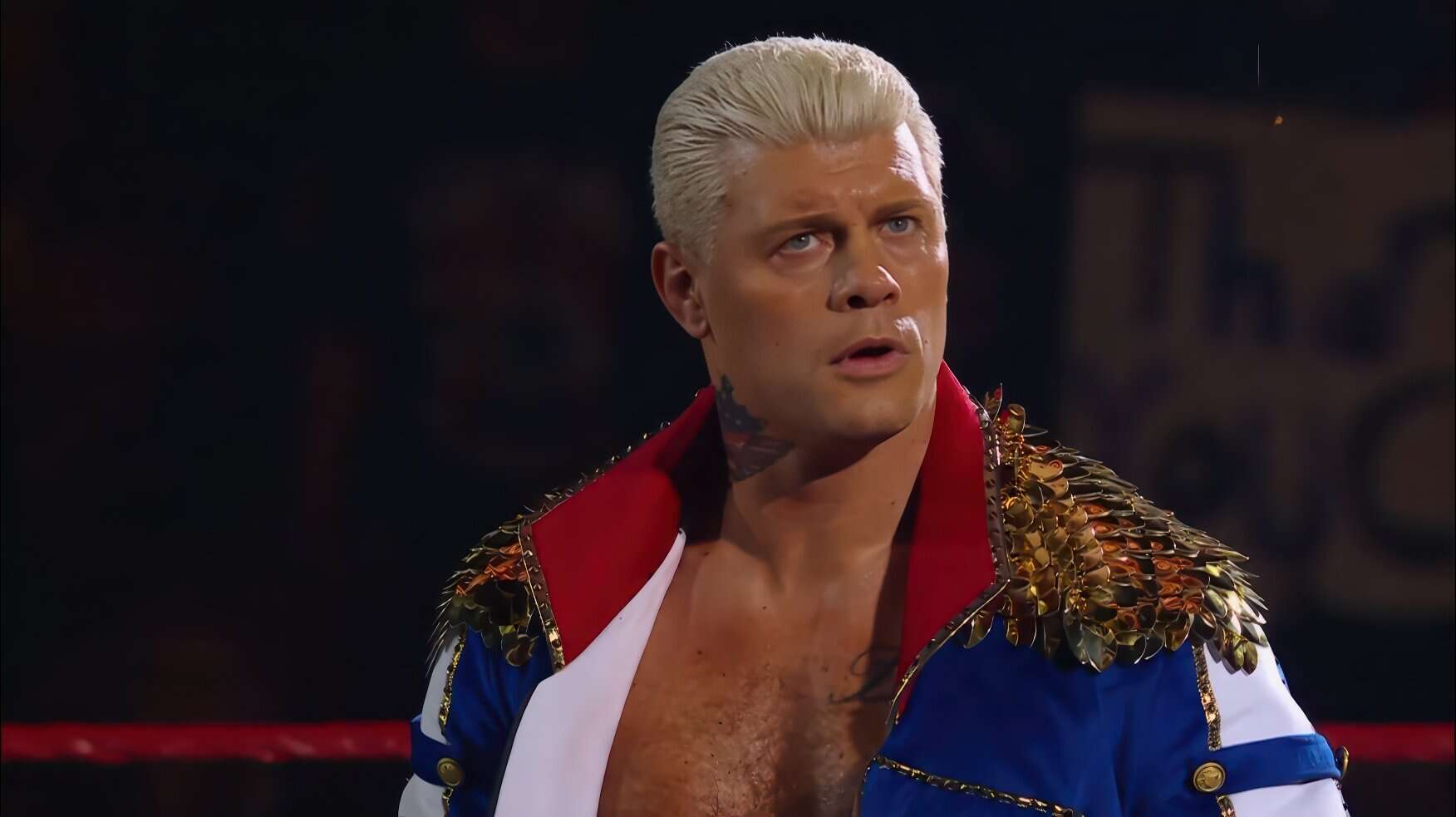
Top 10: Defining Moments in Modern Wrestling
2 hours agoKendal Grey sidelined: How the NXT rising star's injury shifts booking plans
2 hours ago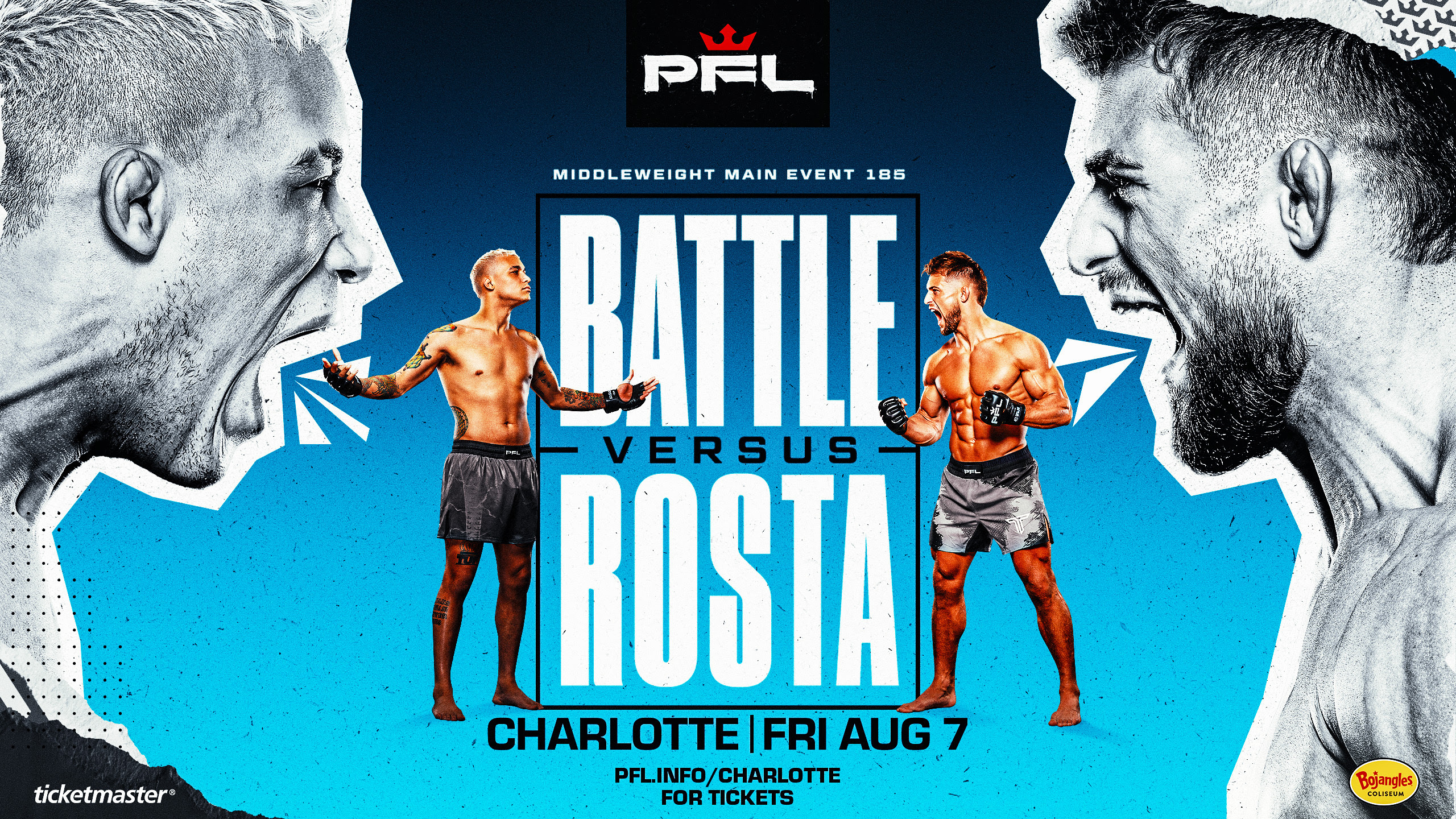
Bryan Battle vs. Dalton Rosta is the tactical test the PFL needs
2 hours ago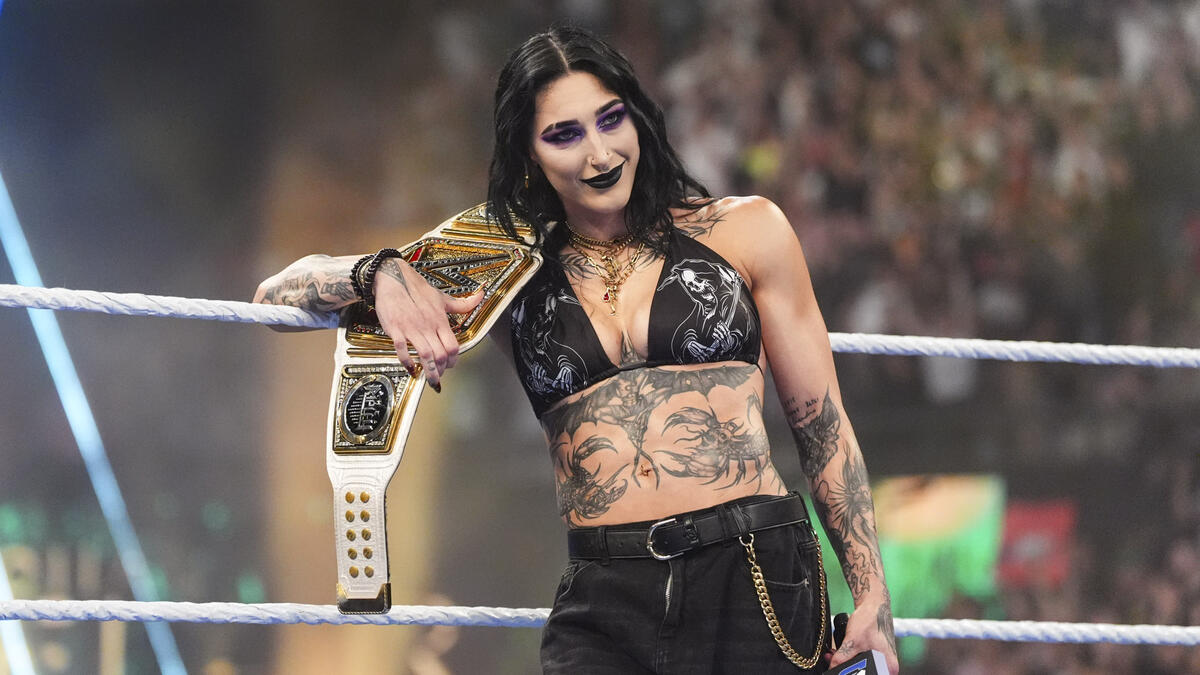
WWE’s Night of Champions pivot exposes a heavy reliance on brittle stars
2 hours agoMore Analysis
Cody Rhodes and the cost of the main event
1 month, 3 weeks ago
Cody Rhodes battles torn pectoral ahead of WrestleMania 41
2 months, 2 weeks ago
Cody Rhodes and the hidden friction behind the curtain
2 months, 1 week ago
Cody Rhodes sidelined with torn pectoral tendon following PLE main event
2 weeks, 2 days ago
Cody Rhodes sidelined: WWE Backlash plans thrown into chaos
1 month, 1 week ago