The crossover fever dream
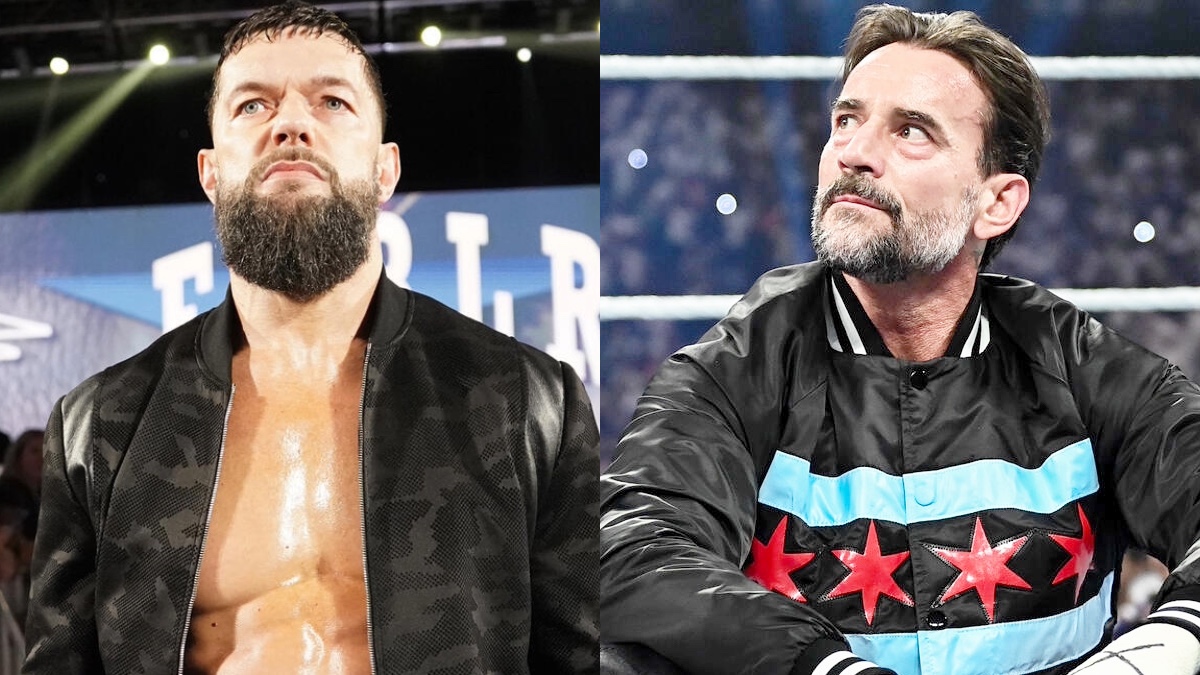
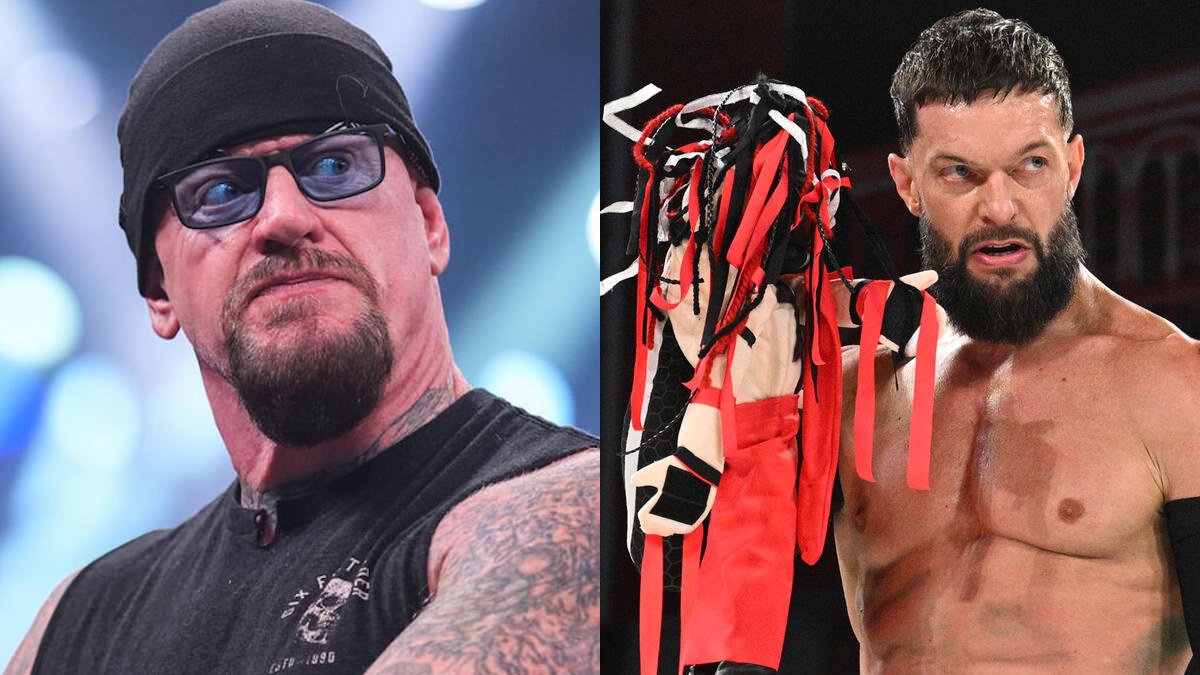
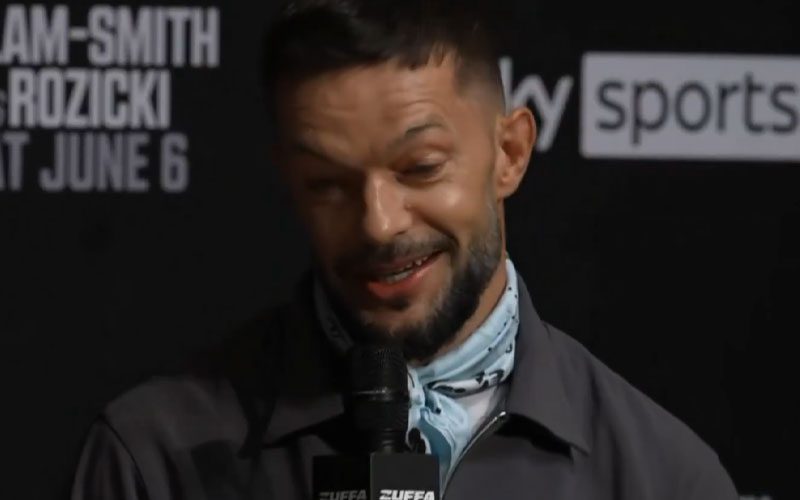
Every few months, a professional wrestler decides they have the pedigree to survive a five-round fight against an actual combat athlete. It usually ends with a gruesome pay-per-view highlight reel and a bruised ego. Finn Balor, recently linked to potential speculation regarding the broader TKO Group Holdings portfolio, has finally issued an edict on the matter. He is staying in the ring.
As Ringside News reports, Balor is not interested in chasing checks in a boxing ring or an MMA cage. This is professionally astute. Wrestling requires a specific suspension of disbelief, but fighting is a literal metric of violence. Balor understands his utility is as a bell-to-bell technician, not a punching bag for a rising contender in the UFC rankings.
The math of the TKO machine
TKO Group Holdings owns everything from the squared circle to the octagon. This creates an obvious business incentive for them to suggest their performers could cross over. If you can move tickets for a Raw broadcast, the corporate brass assumes you can move tickets for an ESPN+ prelim card. But the physical toll for a 20-minute match is governed by choreography and safety protections. A 20-minute fight is governed by the ability to bleed and survive trauma.
Balor’s career in WWE has been defined by high-impact aerial maneuvers and technical chain wrestling. From his time in Bullet Club to his current iteration, his success relies on precision timing. In an MMA setting, that timing functions differently. Without the safety net of a worked match, Balor would be facing professional strikers who train specifically for his height and reach. The defensive liabilities of a wrestler in a sprawl position or against a technical striker are well-documented. He is smart to avoid becoming a data point in a lopsided loss.
Why this booking works for him
The skepticism regarding wrestlers entering real combat is well-founded. We have seen what happens when the professional wrestling training cycle stops and the grappling-only focus begins. The muscle twitch response is just different. Balor is currently playing a vital role on the roster as a veteran who can elevate talent through sound wrestling psychology.
If he were to spend his training camp avoiding concussions in a ring instead of a ring, the wrestling product would suffer. His recent bouts show a man comfortable in his craft. Expecting him to pivot to a discipline where he would have to learn defensive structures from the ground up at this stage of his career at 44 years old is delusional. He is protecting his legacy by refusing to dilute it.
The bottom line
The marketing push for inter-promotional synergy is a reality of the modern ownership structure. We saw how the WWE and Juventus deal attempted to bridge the gap between football culture and sports entertainment. But selling a jersey is one thing; entering a cage is another. Balor sees the absurdity of the pivot.
My prediction for the rest of his run is simple. He will continue to be a specialized worker who avoids the gimmick of the professional-athlete-as-fighter. Expect him to secure gold again within the next 12 months, proving that focus beats cross-training every time. He has confirmed he is staying in his lane and, ultimately, that is the most professional choice he could make.