A legacy stained by controversy
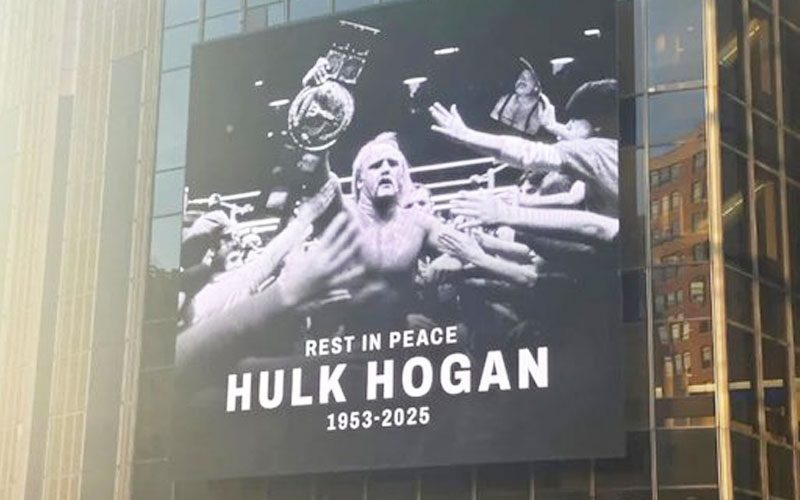
Today, July 24, 2026, marks exactly one year since the death of Hulk Hogan. Madison Square Garden marked the occasion with a somber acknowledgment, yet the reaction among the hardcore fan base remains divided. It is impossible to separate the spectacle of his peak 1980s run from the revelations that tainted his final decade.
We have to address the reality of his career archives without the sugarcoating often found in official tributes. Hogan was more than a performer—he was a business engine—but his technical limitations were always glaring. Matches were repetitive, often relying on the same four-move formula: the boot, the leg drop, and a manufactured comeback that ignored all psychology established in the preceding ten minutes.
The MSG paradox
The Garden is the cathedral where Hogan cemented his status, but the romanticism is misplaced. Watching old tapes from 1984, the sheer lack of wrestling craft is evident when compared to his contemporary peers like Bobby Heenan or even Andre the Giant. The industry has moved toward an era demanding technical proficiency, making his reliance on mid-card psychology feel archaic.
His career is a case study in why the 1980s golden era left so many talented mid-carders without a seat at the main event table. Even as Ringside News confirmed earlier today, the tributes are flowing, but the tactical analysis of his work reveals a decline in match quality once he hit the main event spot.
Why we cannot romanticize the finish
Booking logic often suffered because of his iron grip. Refusing to put over talent unless forced by changing political tides is why the business hit a creative wall by the early 90s. The industry is better now because performers prioritize the pacing and high-impact sequences that define modern bouts. If you look at the 14-minute mark of his 1990 showcase matches, you see wrestlers gasping for air while he recycled the same three poses.
The industry is attempting to compartmentalize his cultural footprint from his actual ring performances. It is a necessary exercise, though one that feels incomplete without acknowledging the missed opportunities for newer stars during his dominance. I predict that within two years, these tributes will cease entirely as the archives of his life are viewed through a purely historical lens, stripping away the performer-worship. He was the anchor of a bygone era, but the modern product is finally, aggressively, moving forward.