The long shadow of the five-year ban
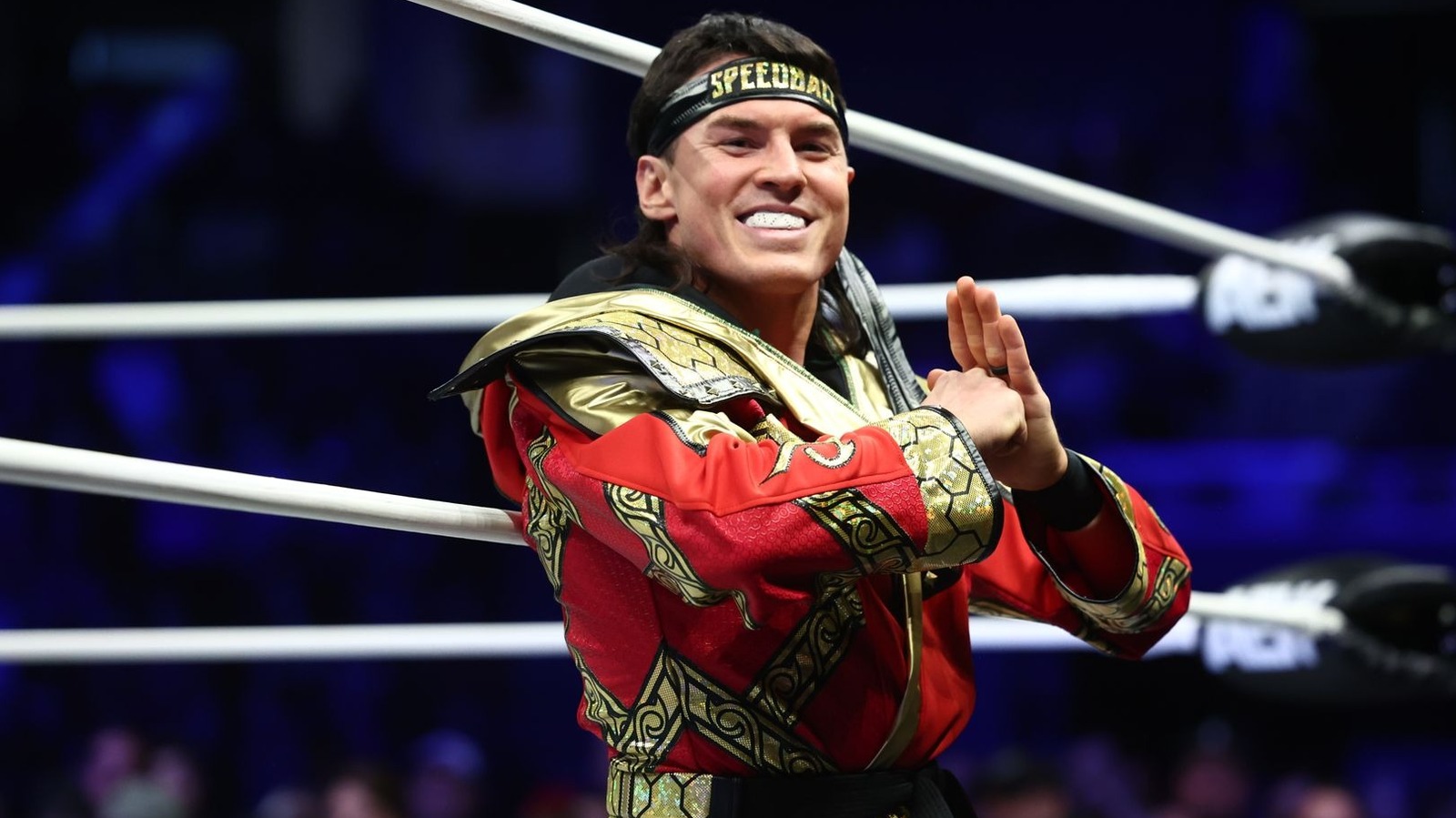
Mike Bailey is back on American soil, but his recent reflection on a half-decade of professional exile serves as a harsh reminder of the volatility inherent in international talent management. Speaking to TMZ Sports, Bailey detailed the reality of a five-year ban from entering the United States for business purposes. The ban stemmed from a procedural failure to secure the correct work visa before entering the country for prior wrestling bookings.
For many performers, air travel is a mundane necessity. For Bailey, it became a career-stalling hurdle that fundamentally altered his trajectory. The ban forced a complete redirection of his labor toward Canadian and Japanese promotions, where he refined his high-impact striking style away from the eyes of US-based promoters.
The administrative trap
The core issue revolves around the classification of pro wrestling labor under US immigration law. Bailey attempted to work without the proper P-1 or O-1 visa documentation. Customs and Border Protection officials categorized his activities as unauthorized employment, triggers that carry lengthy reentry bars. This is not an isolated incident in the industry.
History shows similar logistical friction for international talent. Promotions like AEW depend on a global roster to maintain their signature high-velocity presentation. When administrative oversight or legal technicalities interfere, the impact hits the product directly. A performer cannot work, cannot build a narrative, and cannot be showcased in high-profile slots if the paperwork does not align with federal requirements.
Strategic implications for the division
AEW operates in a hyper-competitive space where Mike Bailey's talent for high-octane sequences fills a specific stylistic void. However, the company faces an constant risk profile regarding its international talent pool. Relying on talent with complex visa histories requires a robust legal department that many independent outlets—and some larger ones—historically lacked.
The booking strategy for midcard specialists is often fluid. When a performer is suddenly rendered ineligible, the creative process is forced into an immediate pivot. This creates a reliance on stop-gap feuds that rarely match the intended momentum of a scheduled program. It is an operational vulnerability that competitors exploit when they lure talent into regions without such stringent, or at least differently interpreted, border requirements.
The missed potential of the void years
Bailey spent five years absent from the US market. That duration covers the lifespan of several distinct stylistic trends in American wrestling. While he evolved as a performer during his tenure in TNA and international circuits, he was effectively invisible to a substantial portion of the US market that only watches television-based conglomerates.
The lack of presence in US-based rings also stunted his ability to interact with specific styles prevalent in the Western market. By staying abroad, he dodged injuries that might have occurred on a busier schedule, but he also missed critical developmental steps in front of US crowds. His return to the radar underscores a reality that fans rarely consider: wrestling is a logistical operation first and a sport second.
Promoters have grown more cautious. The days of flying talent in on tourist visas for weekend shows are largely over, especially as customs scrutiny has intensified. Failure to comply now results in immediate expulsion and potential long-term litigation. It remains a high-stakes game of legal cat-and-mouse that keeps personnel directors up at night.