The confusion behind the curtain
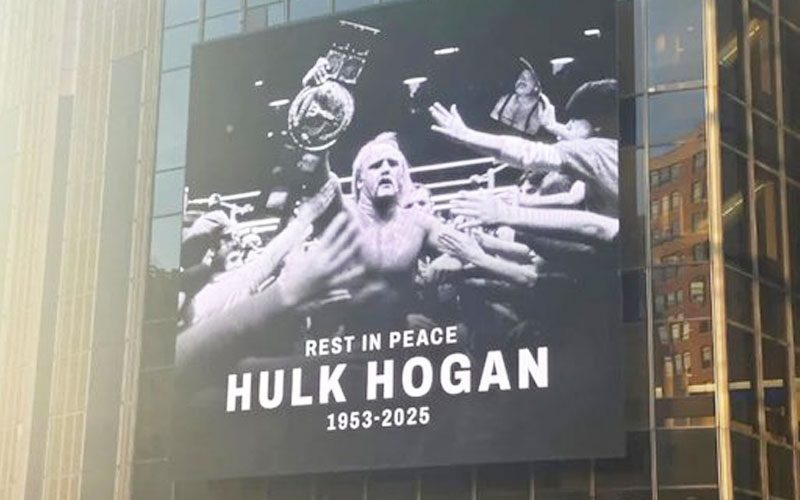
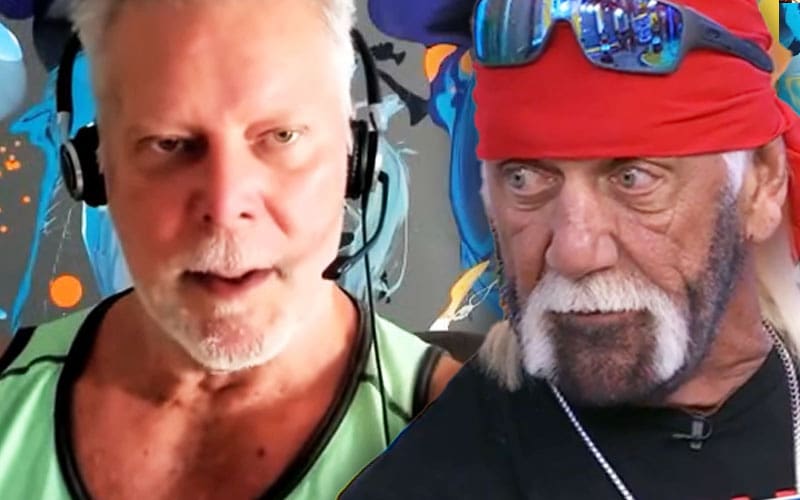
The wrestling world is still reeling from the passing of Hulk Hogan, but for Kevin Nash, the grief is compounded by a deep, lingering resentment. In a candid interview, the former WCW champion revealed he felt completely misled regarding the severity of Hogan's health struggle. Nash, a man who built his career on the foundation of the business, found himself treated like an outsider when it mattered most.
Inside the information blackout
I felt kayfabed about Hulk Hogan’s health before his death.
That quote captures the specific frustration Nash carries. He did not mind the guarded nature of locker room culture, but he drew a line at being kept in the dark about a friend’s mortality. When you work with someone for decades, the industry's obsession with privacy starts to feel like a betrayal rather than a professional standard. Nash expected more transparency from those managing Hogan's inner circle during those final months.
Why secrecy is killing the human connection
Nash's frustration highlights a long-standing issue in professional wrestling: the tendency to bunker down when crisis hits. Leaders in this industry often prioritize the brand over the person, leading to rumors and misinformation that hurt everyone. When you keep veterans like Nash at arm's length, you aren't just shielding private medical data. You are denying friends the chance to say goodbye properly.
The industry has always relied on guarded secrets to protect its kayfabe, but that practice has leaked into how performers handle aging and illness. It creates a vacuum of information where speculation thrives. Nash’s anger is aimed at the process that kept him in the dark until it was too late to offer any genuine, face-to-face closure. This is a recurring mistake, one we have seen reported by Ringside News as a failure of communication between camps.
Refining the post-career culture
The blowback from this interview serves as a hard reminder that the old guard needs to evolve. Wrestling is no longer a traveling carnival operating in the shadows of the 1980s. When peers are dying, the excuse of keeping things professional or private starts to look like cowardice. Companies need to improve how they manage talent welfare, specifically regarding information flow among legends.
There is also a negative takeaway here for the legacy of the business itself. If someone as well-placed as Kevin Nash can be "kayfabed" during a life-or-death situation, then what hope does the rest of the locker room have? The culture of silence is meant to protect the brand, but it often ends up isolating the very legends that helped build it from the ground up. The gatekeepers clearly overstepped, and the result is a bridge burned in grief.
The human cost of the business
It is difficult to overlook the irony that the man who helped break the business open with the NWO is now lamenting the industry’s refusal to modernize its communication. Nash is not looking for headlines; he is looking for an answer as to why the wall went up in the first place. The emotional weight of his statement is heavier than any worked shoot in WCW during the mid-90s.
Looking ahead, this raises uncomfortable questions about how current management handles the health of its retired roster. Transparency should be the baseline, not the exception. Until organizations prioritize the well-being of their legends over the image of their stability, incidents like this will continue to repeat. We should not reach a point where wrestlers feel they are learning about their best friends' passing from industry insiders rather than direct confirmation from the source. The system failed, and someone needs to be accountable for that silence.