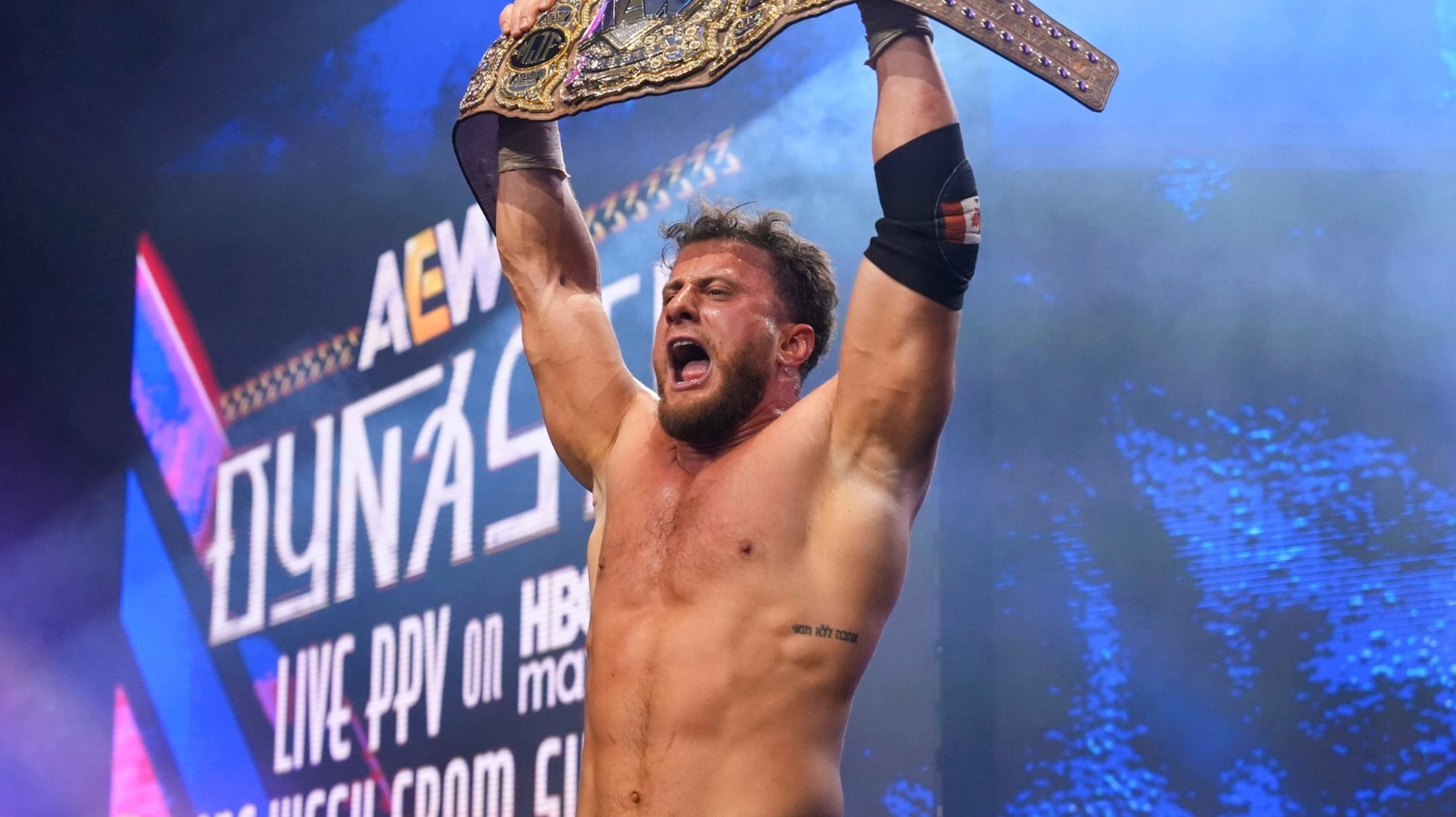
Jericho and the WWE roster are playing different games

The operational shift in Winnipeg
Chris Jericho’s return to All Elite Wrestling on the April 1 episode of Dynamite served as a clear tactical pivot. It was not the sort of nostalgia-baiting that plagues modern major wrestling. Instead, as recent podcast analysis highlights, the decision to anchor big Canadian shows with local stars displays a calculated effort to optimize domestic gate receipts and regional engagement. Jericho isn't just a veteran coming back to work; he is a structural component of the promotion's attempt to stabilize its touring revenue.
This differs sharply from the current state of rival promotions relying on legacy icons. The reliance on past figures is a fragile strategy. When you look at the proximity of WrestleMania 41, which sits just 14 days away, the contrast between AEW’s localized roster deployment and WWE’s reliance on historical star power becomes glaring. Bret Hart’s recent commentary regarding his work with Steve Austin serves as a reminder that great matches are built on granular, step-by-step psychology rather than the mere presence of established names.
The mechanics of building a card
Triple H enters the next two weeks with immense pressure on his booking staff. Building a show like WrestleMania requires more than just high-profile names; it requires the precise sequence of high-impact moves and narrative beats that made the Hart-Austin era a masterclass. Current creative lacks that structural rigor. We see matches lacking the necessary escalation in intensity required to sustain a five-hour viewer block on two separate nights.
The current aesthetic demands a transition from spectacle back toward technical storytelling. We see referee transformations and runway debuts such as the recent pivot by NXT official Vicky D’Errico, which highlights a shift toward a more multimedia-focused talent brand. While these individual pursuits are valid, they often distract from the cold, hard reality of professional wrestling: the match pacing must satisfy a demanding audience that expects a high work rate every time the bell rings.
Flaws in the current booking model
Criticism is easy, but identifying the stagnation in modern ring psychology is necessary. Too many segments prioritize the entrance and the theatrics while failing to refine the actual transition from the opening locking-up to the mid-match reset. When a match enters its second ten-minute block and loses the audience because the sequence of counters feels recycled, that is a failure in institutional memory.
The WWE booking office has become predictable. We see the same setups for signature maneuvers repeated in nearly every main event slot, leaving the audience bored by the time we reach the 20th minute of a title defense. There is no room for the mid-card to experiment with different wrestling styles because they are tethered to the rigid, sanitized presentation of the top-tier stars. Wrestling, when done correctly, should reflect the volatile nature of a legitimate contest.
The road to the 19th of April
As we approach WrestleMania 41, the window for correcting these pacing issues is rapidly closing. The 14-day countdown is not merely a promotional reality; it is a hard deadline for ironing out the spacing and selling the impact of moves before the cameras roll. If the booking continues to rely on legacy rather than technical refinement, the event risks feeling bloated.
AEW, by contrast, is leveraging its Canadian talent to create specific regional micro-economies. Pairing a star like Jericho with a local crowd is a high-percentage play that minimizes the risk of a dead arena. If WWE fails to modernize its psychological approach, they will find that no amount of star power can mask a lack of fundamental match-craft.
King of Kings: The Official Biography of Triple H
The definitive look at how Paul Levesque transformed the landscape of WWE.
Frequently Asked Questions
How does AEW approach its roster management for local events?
What is the primary criticism of WWE's current booking strategy?
Why is structural rigor important for a pay-per-view event?
How does match pacing impact the audience during long wrestling events?
Why is the current WWE mid-card struggling to innovate?
More Coverage
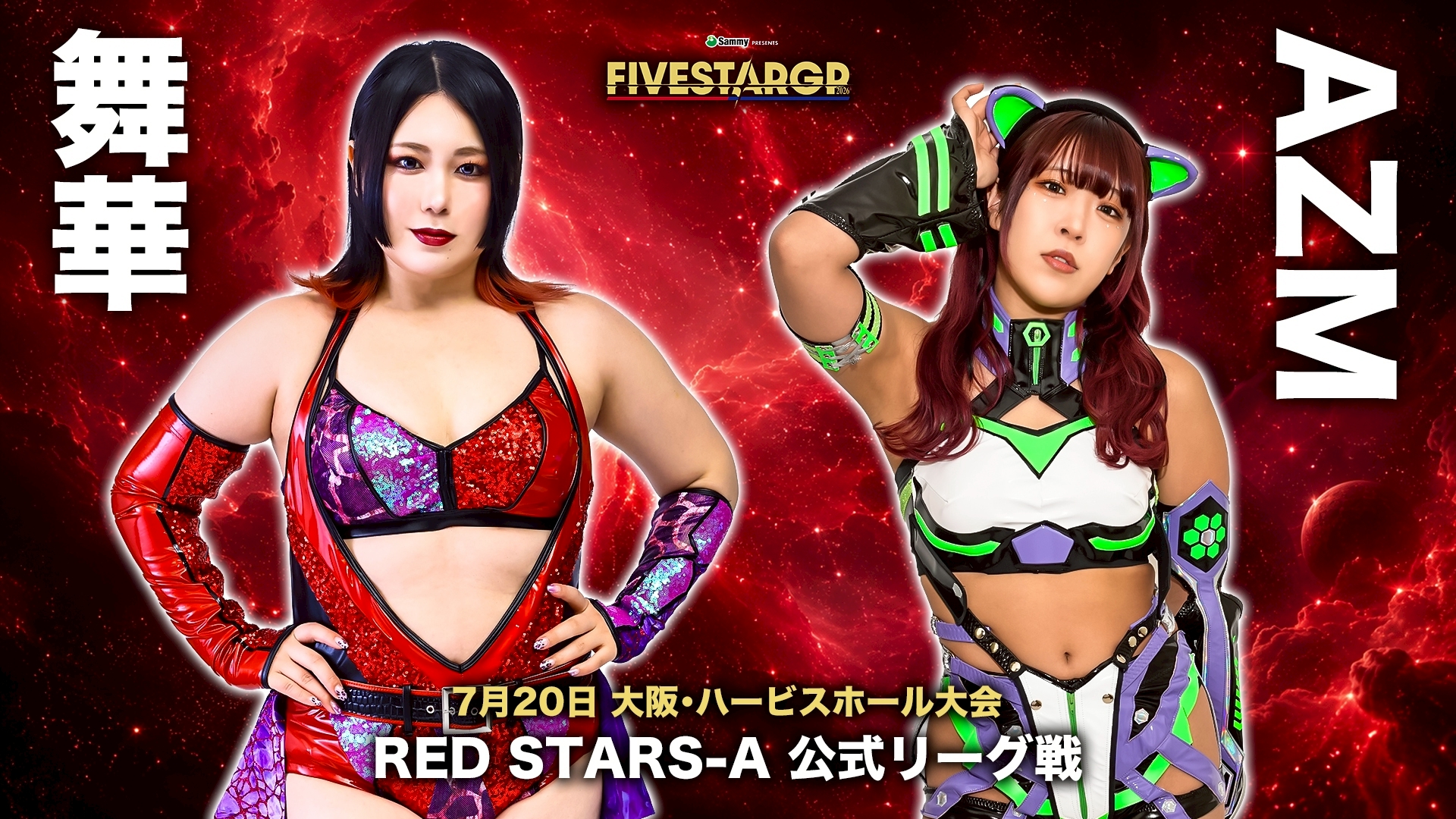
Is Maika on the verge of a surprise WWE international pivot?
2 hours ago
Top 10: Wrestling Stars Defining the Current Cycle
2 hours ago
Why the locker room friction between athletes and lifers is hitting a boiling point
2 hours ago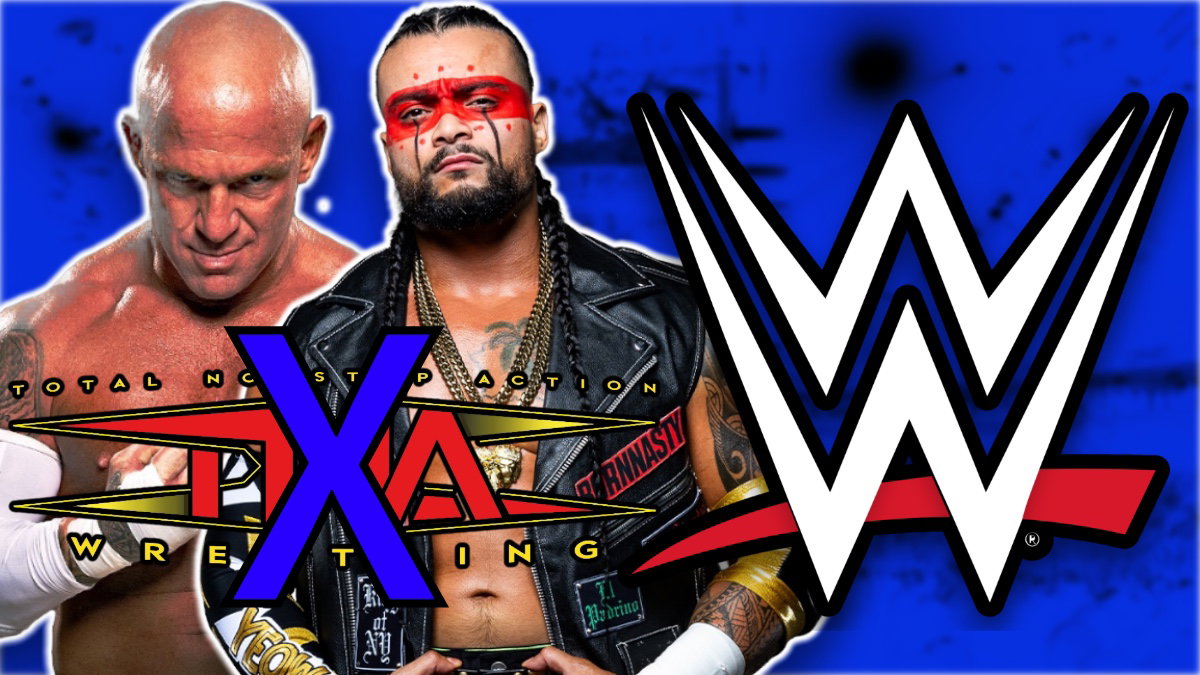
Why the TNA-to-WWE pipeline is actually a strategic pivot
2 hours ago
CM Punk's title reign is a tactical void in the WWE main event
2 hours ago
Why WWE's tactical shift forces veterans into hard choices
2 hours agoMore Analysis
WrestleMania 41 is a high-stakes stress test for Triple H
3 months, 2 weeks ago
Chris Jericho is betting on legacy over the modern work-rate grind
3 months, 3 weeks ago
Tony Khan thinks Chris Jericho chose AEW but the fans might feel differently
3 months, 1 week ago
Why WWE’s reliance on nostalgia is a dangerous game as WrestleMania 41 nears
3 months, 2 weeks ago
WrestleMania 41 is the turning point for the current WWE hierarchy
3 months ago