The Performance Center culture war is real
We need to talk about the tension inside the WWE Performance Center. It has become a common talking point that the clash between former college athletes and the indie circuit veterans is more than just locker room banter. As reported by WrestleTalk, the friction is rooted in philosophical differences over what professional wrestling actually is.
College guys are trained to treat this like a precision sport. They want efficiency, safety, and repeatable mechanics. The indie veterans view the ring as a theater where you pay for your spot with bumps and psychology built over a decade on the road. When you push these groups together, you get predictable friction.
The cost of a career
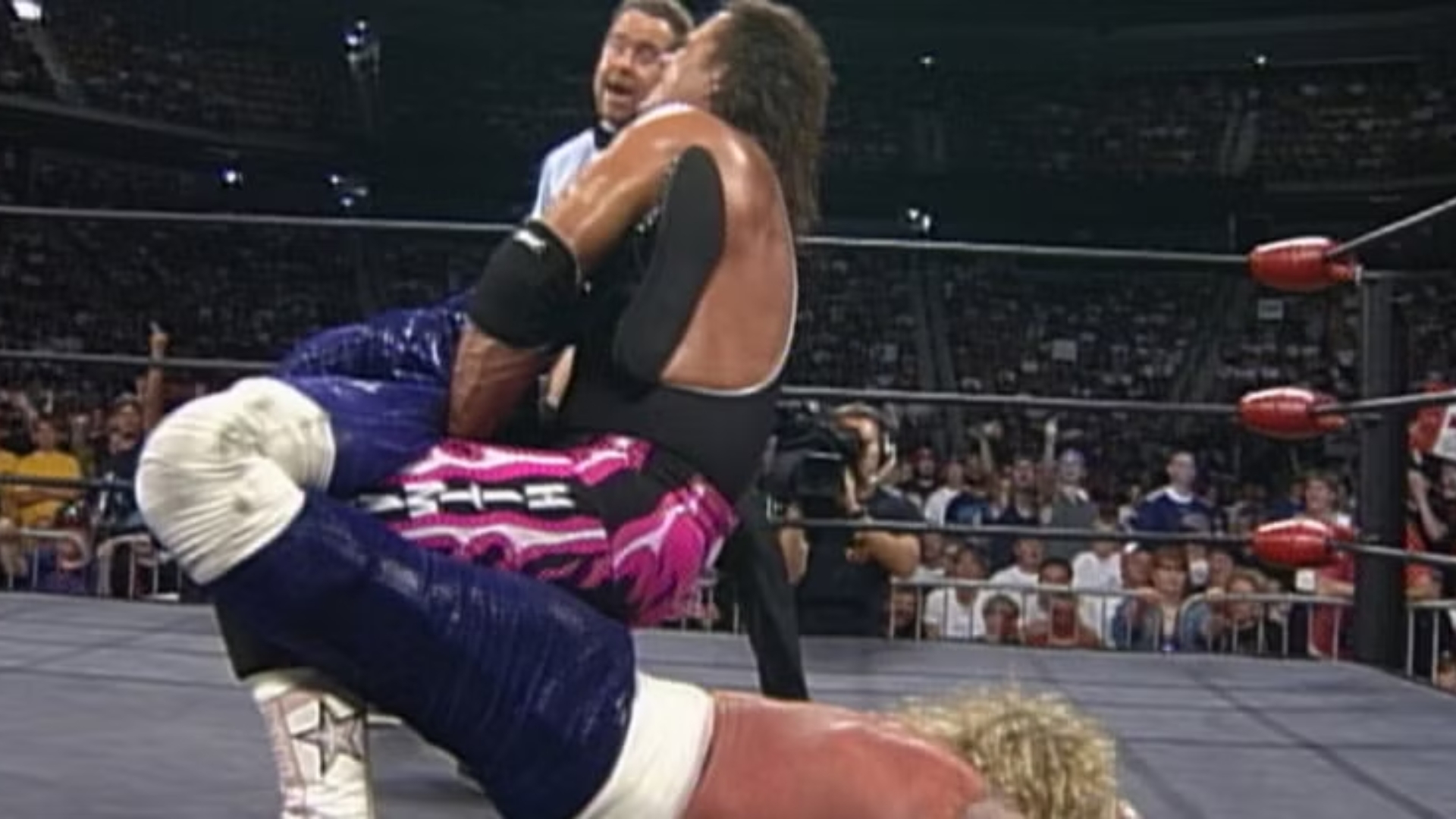
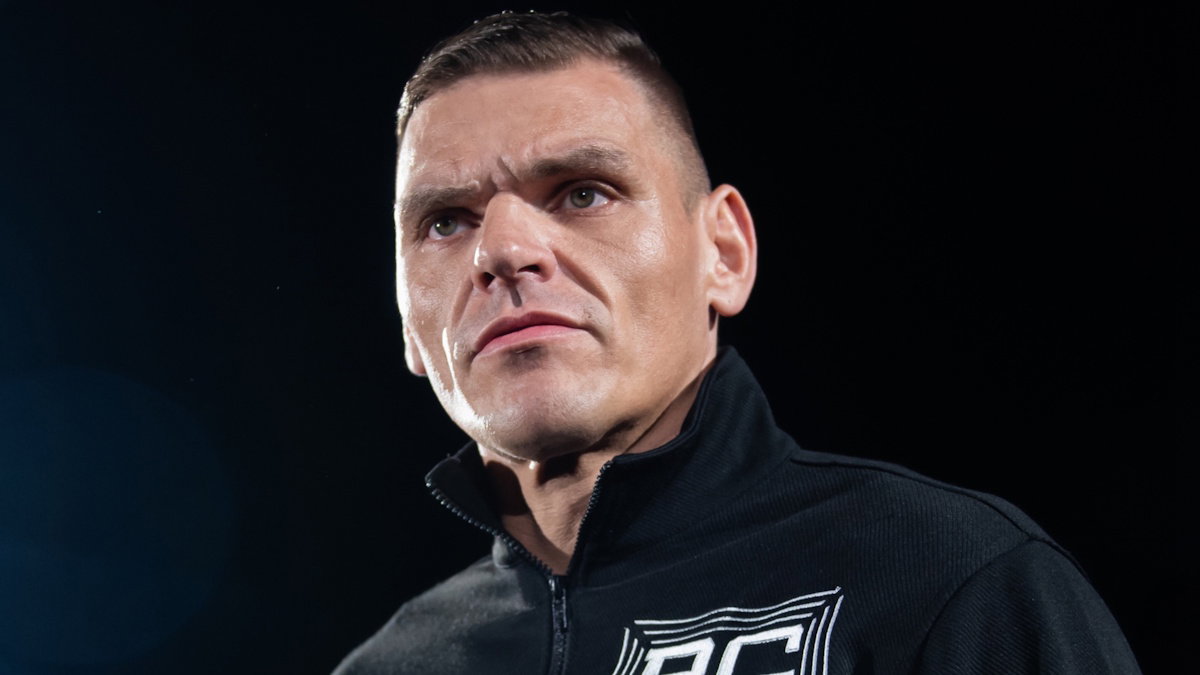
Retirement is the ultimate metric of a performer's value, and how you go out defines your legacy. Take the recent discourse around AJ Styles retiring at the hands of GUNTHER. According to recent coverage, the process involved high-level collaboration on the decision-making. You look at that Royal Rumble finish and see a transition of power that makes sense for the business.
Not every departure goes that smoothly, though. Some performers leave feeling like they traded their health for a company that never quite understood them. Saraya’s recent look back at her AEW stint suggests that when the passion isn’t there, it doesn't matter how much money is on the table. She noted, as WrestleTalk detailed, that her heart just wasn't in the work during that run.
The crossover gamble
Then you have athletes like Jake Hager trying to find a second act in places like Power Slap. While Hager thinks he is built for that arena, the data on these crossovers is mixed. It is a massive adjustment from working a worked shoot in a squared circle to taking clean shots in a sanctioned slap contest.
My prediction? We are heading into an era where pure athletic pedigree is prioritized over indie savvy in the hiring process. This will lead to a 20 percent decline in long-term character development on the mid-card as the Performance Center churns out safer, more homogenized talents. You will get great production quality, but the distinct 'grime' of the independent scene will be officially scrubbed from the main roster by 2028.
Promoters will keep chasing the high of finding the next Brock Lesnar, but the cost of suppressing the 'lifers' will be an eventual stagnation in creative spontaneity. You can hire all the NCAA champions you want, but they aren't the ones who know how to control a crowd when the finish goes sideways at the 15-minute mark.