
Why Dark Side of the Ring is chasing ghosts instead of history
The myth-making machine hits a creative wall
For years, Dark Side of the Ring served as a vital corrective to the sanitized corporate histories produced by major promoters. By diving into the gritty underbelly of the business, the show carved out a niche that felt essential for any fan of the sport. But as Vice TV prepares to drop their latest feature, something feels off.
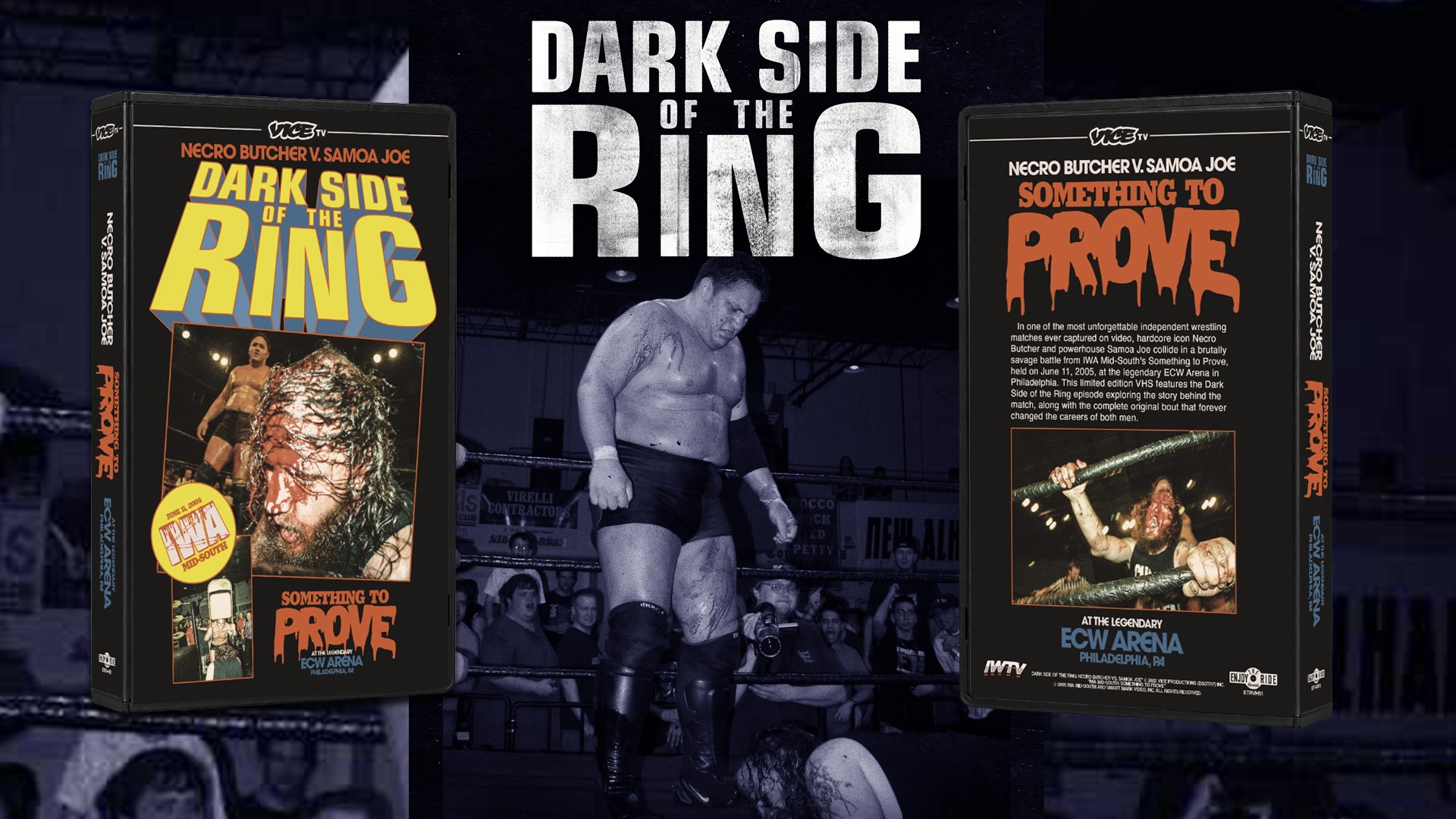
The announcement that the network is focusing an upcoming episode on the Samoa Joe versus Necro Butcher clash at IWA Mid-South in 2005 suggests the reservoir is drying up. When you look at the preview clips and production notes, it is clear the focus has shifted from systemic abuse and industrial tragedy to the fetishization of a single indie deathmatch.
Indie nostalgia is not a substitute for investigative depth
The Samoa Joe and Necro Butcher match was a polarizing moment in wrestling history, defined by excessive violence and a desperate search for credibility in the mid-2000s independent scene. It was a standout piece of business for that specific subculture, but giving it the prestige docuseries treatment feels like a hollow exercise.
We have reached a point where the show is mining specific matches for content rather than exploring the broader, uncomfortable truths of the industry. As reported by PWInsider, the episode aims to generate buzz with a limited VHS release, a gimmick that highlights the show's pivot toward selling nostalgia to the hardcore base.
The danger of trivializing trauma
There is a thin line between chronicling the physical toll of the business and turning suffering into an aesthetic. When the producers lean into the 'deathmatch' mythology, they risk ignoring the actual systemic issues that made those bouts possible in the first place.
At the time of this writing, July 21, 2026, the industry is in a different place. The reliance on the shock value of a 20-year-old brawl feels antiquated. The show is prioritizing a viral moment over the long-form analysis of how promoter malpractice crippled the careers of men like Butcher, who put their bodies through extreme harm for a pittance.
The booking of the narrative
We see a similar disconnect in the promotional efforts for the season, which include nostalgia-baiting reunions like Jerry Lawler and Bret Hart. While seeing these legends share a stage is a fun footnote for history, it serves as a distraction from the show’s inability to find fresh ideological targets.
The documentary format requires a central conflict to drive the narrative forward. By selecting matches that primarily appeal to the 'tape trading' generation, the show has effectively transitioned from investigative journalism to fan-service docudrama. They are painting a picture of an era, but they are ignoring the brushstrokes that actually matter.
The decision to lean into limited edition physical media releases for a digital-first show is the final nail in the coffin of its original intent. It is 100% focused on maximizing revenue from collectors rather than expanding the cultural conversation around professional wrestling’s hazardous work conditions.
Missed opportunities
The biggest flaw is not the content itself, but the lack of critical friction. The program is failing to hold the architects of those environments accountable for the lack of medical oversight during the early-to-mid 2000s era. Instead of asking tough questions about liability, they are choosing to frame the chaos as a wild ride.
As F4WOnline noted, the marketing push is heavily incentivized by niche collectors. If the goal is to document the true cost of the ring, this episode is a deflection. It is a show that once stood for the brutal reality of the canvas now content to mimic the very 'promotional fluff' it once sought to debunk.
The Rise and Fall of ECW (Wrestling Books)
A deep dive into the hardcore territory that changed the industry forever.
Frequently Asked Questions
What match is featured in the upcoming Dark Side of the Ring episode?
How is Vice TV promoting the Samoa Joe vs Necro Butcher episode?
Who is reunited in the promotional material for Dark Side of the Ring?
Why is Dark Side of the Ring facing criticism for its recent direction?
When did the Samoa Joe vs Necro Butcher IWA Mid-South match take place?
More Coverage
Top 10: Wrestling Stars Defining the Current Cycle
3 hours ago
Why the TNA-to-WWE pipeline is driving everyone crazy
3 hours ago
Dark Side of the Ring is digging up Samoa Joe vs Necro Butcher
3 hours agoWhy patience is the forgotten weapon in today's ring psychology
3 hours ago
Top 10: Defining Wrestling Milestones of 2026
4 hours ago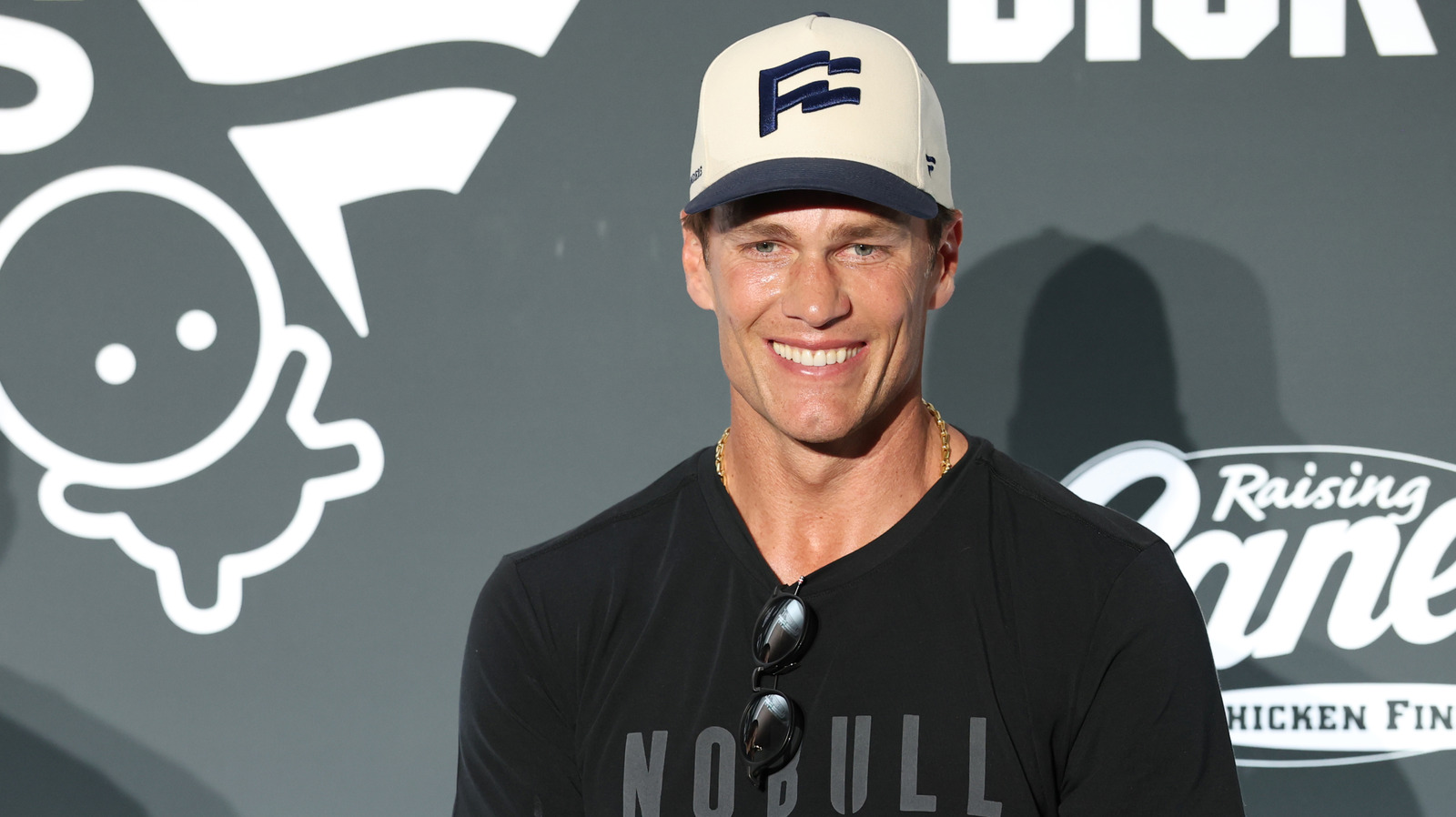
Tom Brady appearing in a WWE ring is the fever dream nobody asked for
5 hours agoMore Analysis

Is Maika on the verge of a surprise WWE international pivot?
3 hours ago
Top 10: Wrestling Stars Defining the Current Cycle
3 hours ago
Why the TNA-to-WWE pipeline is driving everyone crazy
3 hours ago
Why the locker room friction between athletes and lifers is hitting a boiling point
3 hours ago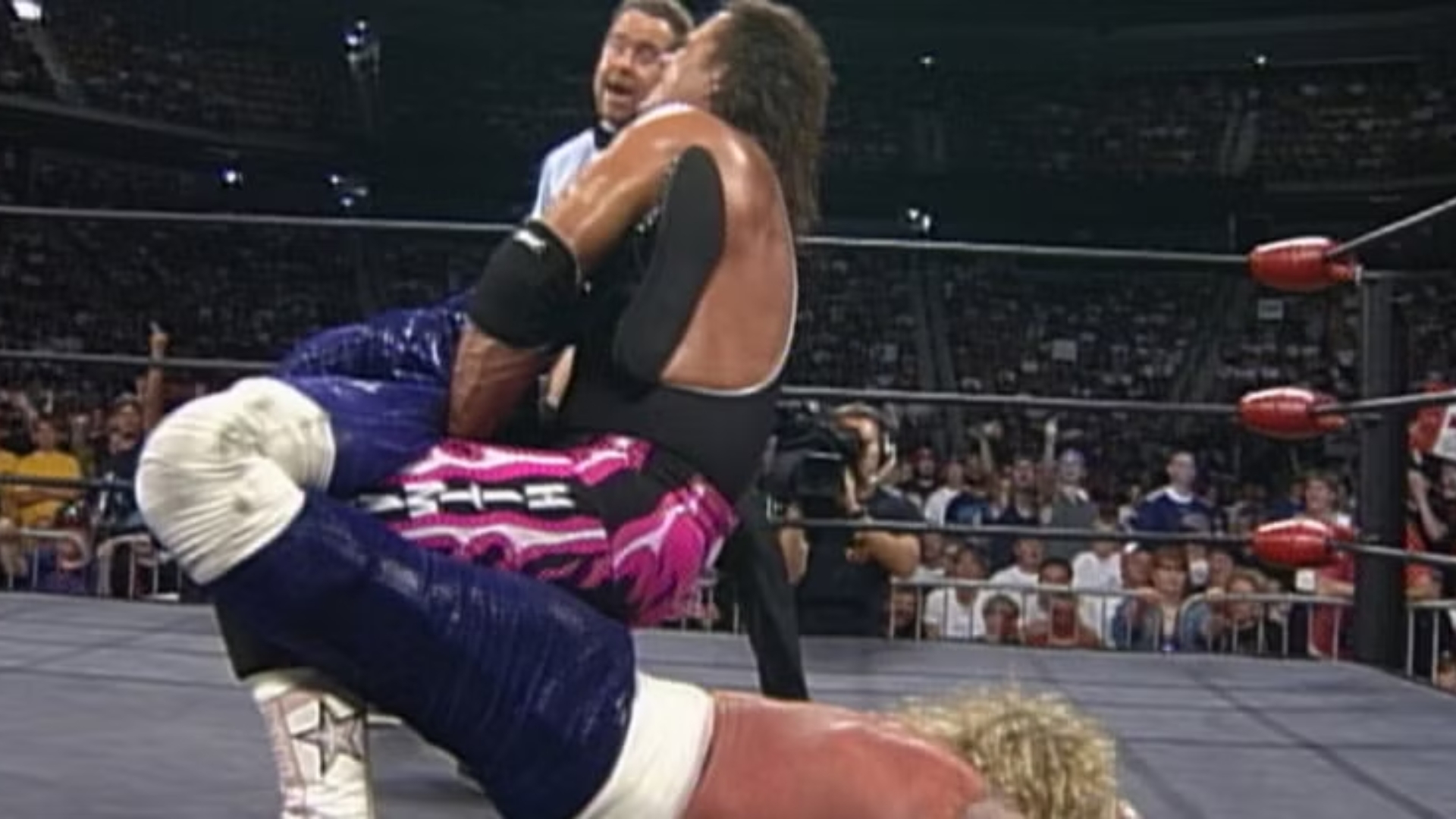
Stardom's 5STAR Grand Prix is already melting wrestling Twitter down
3 hours ago