The 2010 exit versus the 2020 purge
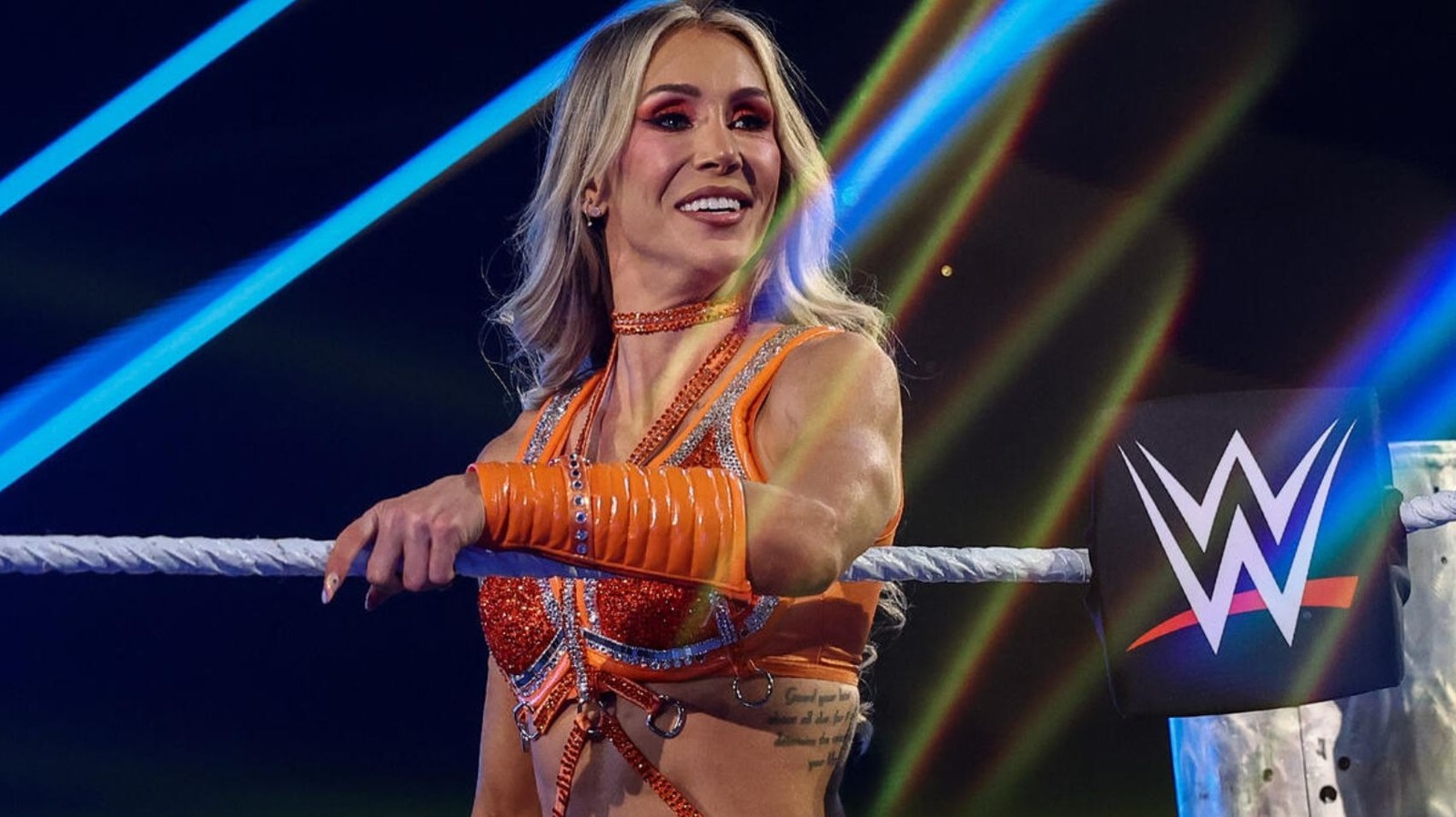
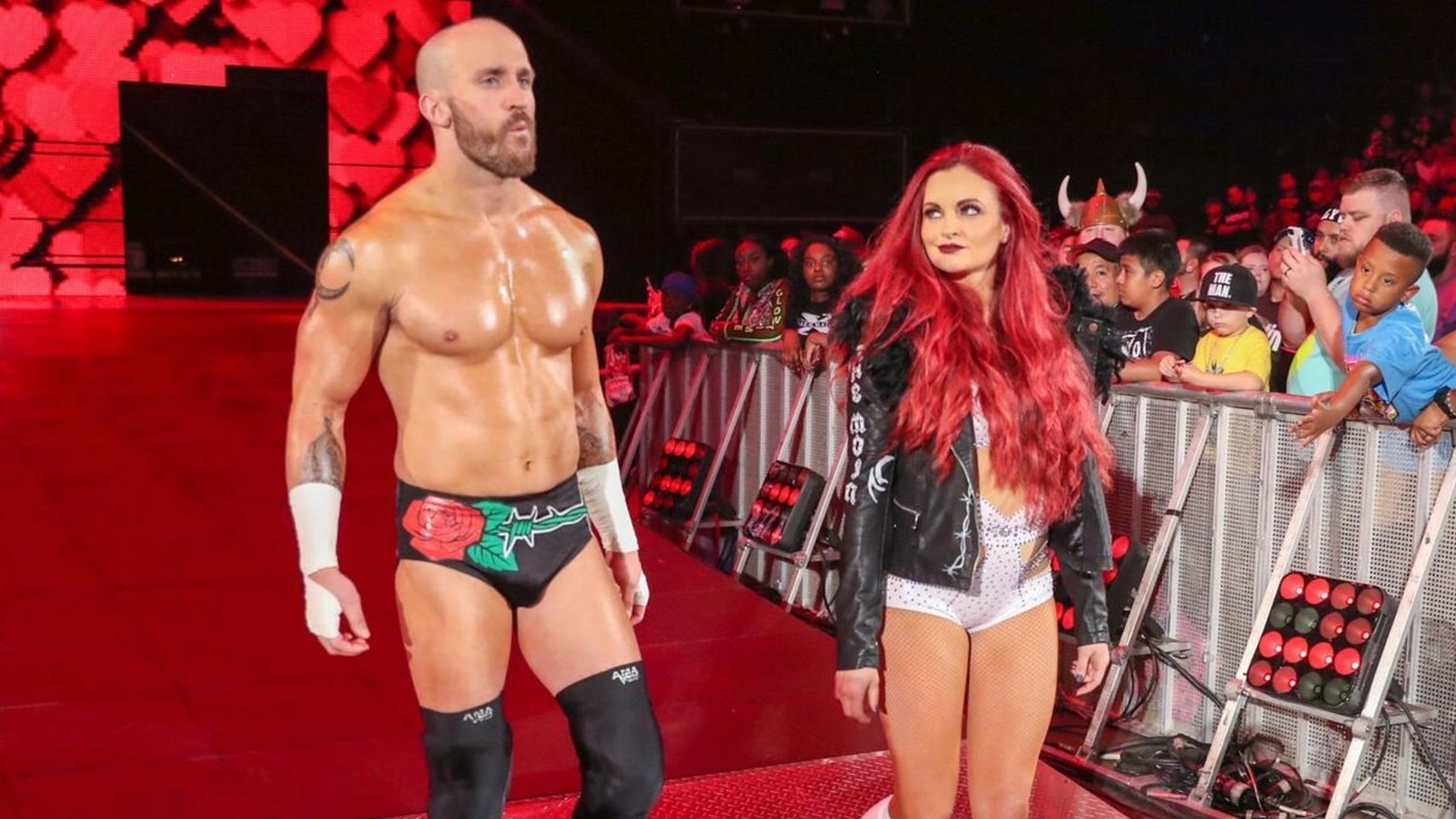
You remember 2010. The WWE machine was operating like a well-oiled, if slightly stagnant, tank. Maria Kanellis getting her walking papers back then felt like standard business. It was a classic case of creative having nothing for you, a handshake, and moving on to the indies or an acting gig.
Fast forward to April 2020, and the air was completely different. We were deep in the pandemic chaos. The world felt like it was ending, and the corporate offices in Stamford decided it was the perfect time to slash the roster to save on overhead. Maria Kanellis recently pulled back the curtain on how these eras felt like apples and oranges. One was a career pivot, the other was a gut punch during a global health crisis.
The human element gets buried in the balance sheet
When you look at the 2020 cuts, it wasn't just about wrestling. It wasn't about the product. It was about stockholders and keeping those Q2 earnings looking pretty while the fans were stuck watching at home. Maria Kanellis hit the nail on the head regarding the sheer terror of that moment.
Imagine staring down the barrel of unemployment when the entire planet is shut down. There are no indie bookings. There are no acting gigs. There is just the realization that the company you gave your body and time to viewed you as a liability rather than an asset. It was a cold, calculated move that left a bad taste in the mouths of almost everyone involved.
Why the 2020 optics still haunt the company brand
The 2020 releases were objectively bad for morale, even if the suits would argue they were fiscally necessary. Think about the timing. They were hitting record profits while firing dozens of performers who had families to feed and mortgages to pay. That is the kind of stuff that turns even the most loyal fan against the corporate entity.
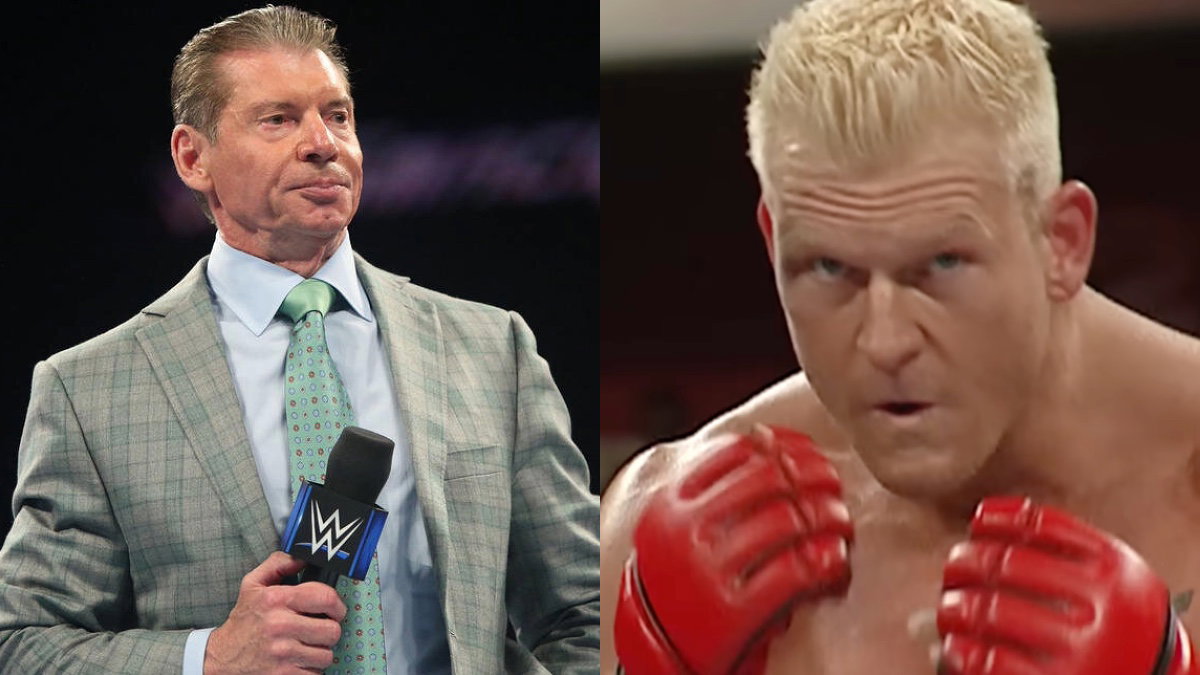
Look at the legal mess unfolding today. You have Vince McMahon trying to shove his legal troubles into arbitration. It feels like a continuation of that same old-school mentality where you hide everything behind closed doors, away from public eyes. It is essentially the same strategy: suppress, contain, and hope the heat dies down.
Reflecting on the era of the disposable performer
We love the athleticism and the drama, but the business side is often miserable. When someone like Kanellis highlights the difference between her two exits, it reminds us that the wrestling ring is just a workplace. Sometimes, that workplace is toxic. Sometimes, it is just indifferent to your survival.
The current management does not get a pass just because they are booking better matches than we saw in 2020. You can appreciate a solid card while still acknowledging the systemic issues that defined the Triple H/Nick Khan era shifts. If a company treats human beings like interchangeable parts, eventually that comes back to bite them in the ring and in the courtroom.
Looking back at the OVW connection
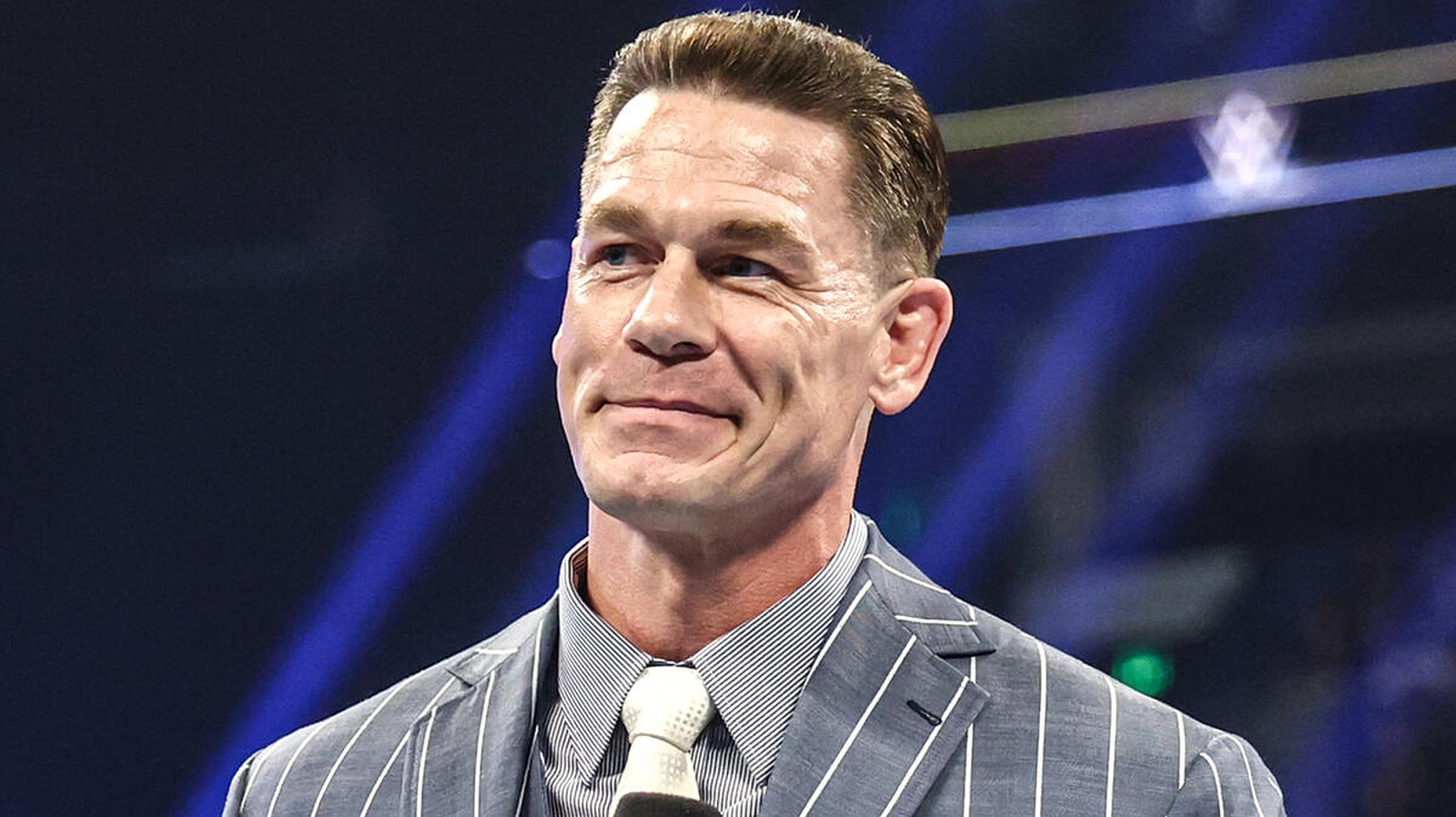
It brings me back to seeing acts like John Cena hitting milestones, as I noted when the industry celebrated the 1400th episode of OVW. That territory taught people how to work, how to carry themselves, and how to survive. It was the antithesis of the 2020 corporate purging spirit.
Cena succeeded because he had that foundation. He stayed through the lean times. That is the 1,400 episodes of grit that keeps this business alive. Management should study that instead of focusing on how to bury legal issues or minimize payroll cost. They might learn that loyalty actually pays off in the long run.