The wear and tear of a generation
Modern wrestling medical files tell a grim story of diminishing returns for veterans. We are seeing a distinct trend where the physical tax of two decades of ring work finally hits the ledger. The recurring theme is not acute injury, but the cumulative collapse of joints that have been absorbing bumps since the early 2000s.
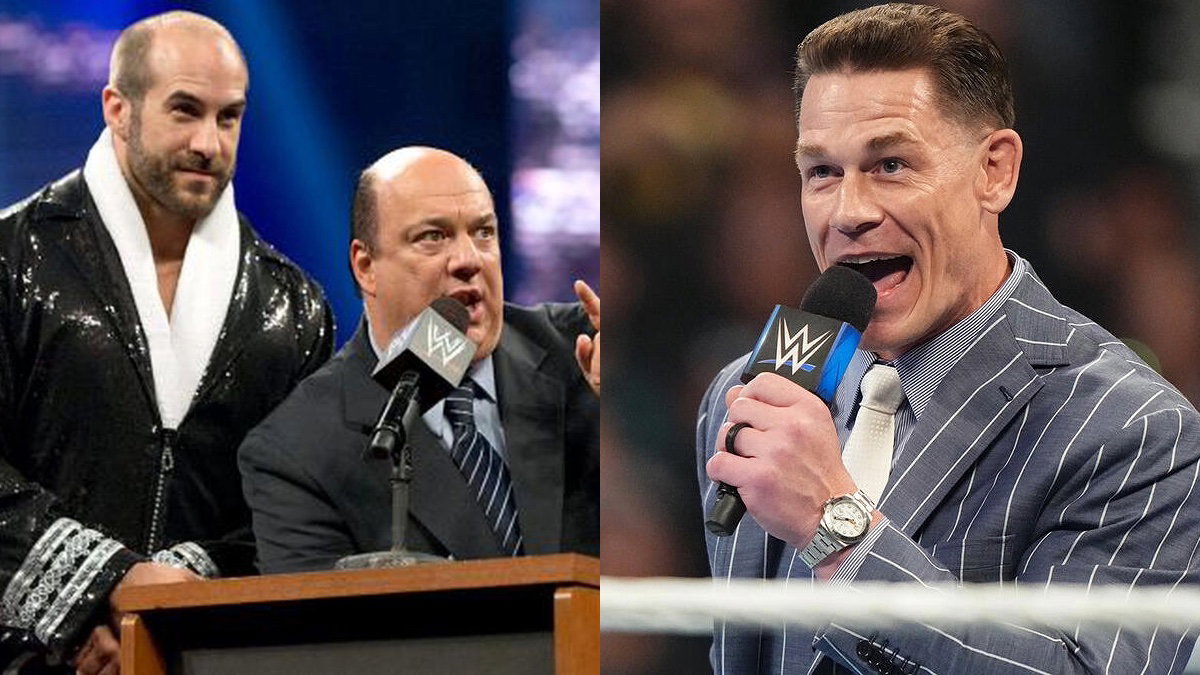
While legacy names like Cesaro—who Paul Heyman once championed as a WrestleMania headliner—remain benchmarks for technical proficiency, their injury history confirms the sport’s brutal physics. Chronic lumbar issues and recurring shoulder impingements are the standard diagnostic output for performers with this much mileage on the odometer.
Historical patterns of high-risk recovery
History repeatedly shows that wrestlers who rely on high-velocity rotations or heavy vertical lifting face truncated careers once the cartilage fails. The industry is currently contending with a specific cycle of mid-year wellness resets. Performers who started during the ECW or early Ruthless Aggression eras are consistently cycling through physical therapy to address years of untreated degradation.
As reported by PWTorch regarding the legacy of extreme styles, the wrestlers who innovated in the 1990s and 2000s are now the clinical cases showing orthopedic experts exactly what happens when you prioritize spectacle over longevity. We are seeing these stars try to adapt their move sets to compensate for reduced mobility.
Strategic risks for modern booking
The reliance on these veterans to bridge the gap for developmental talent is a massive logistical miscalculation. When a booker puts a veteran with compromised mobility into a match against a high-octane rookie, the risk of miscommunication or sudden injury spikes. Booking decisions that force older talent into prolonged wrestling sequences are an objective failure in long-term asset management.
Management often prioritizes the nostalgia pop over the physical reality of the performer. This creates a scenario where the talent is essentially forced to gut out performances that their joints are no longer equipped to handle. The expected timeline for a veteran coming off a standard spinal decompression procedure is 12 to 18 months.
Clinical observations on the 2026 climate
The current medical outlook is cautious. We have moved past the era where a performer could simply walk off a torn labrum or a Grade 2 concussion. The medical staff at elite promotions are now acting as the primary constraint on creative decisions, yet they are frequently overriden by production demands. This tension between performance expectations and sports medicine is why we continue to see sudden, mid-card withdrawals.
It is worth noting that the standard for athletic training has improved, yet the industry still suffers from a lack of transparency regarding specific return-to-play metrics. We are looking at a shift in how these legends are perceived, moving from immortal icons to finite commodities. The total rest time for active roster members suffering from chronic trauma is averaging 4.5 months per fiscal quarter.
The impact on ring quality and product flow
When stars miss time, the ripple effect on the mid-card is catastrophic. The vacuum left by an injured veteran is rarely filled by a rookie with equal drawing power. We see a drop in match quality when the "general" of the ring is replaced by someone who has not yet mastered the pacing of a 15-minute televised encounter. This is not a failure of character, but a clear lack of preparation and experience that cannot be fast-tracked.
The industry needs to confront the fact that an aging roster cannot maintain the 40-week per year travel schedule that was standard in the 2010s. If promoters continue to use legacy talent as the backbone of weekly programming without significant rotational breaks, we will see an inevitable decline in broadcast quality. Fans are noticing the difference in intensity and execution.