
Mick Foley is choosing principles over WWE's easy money
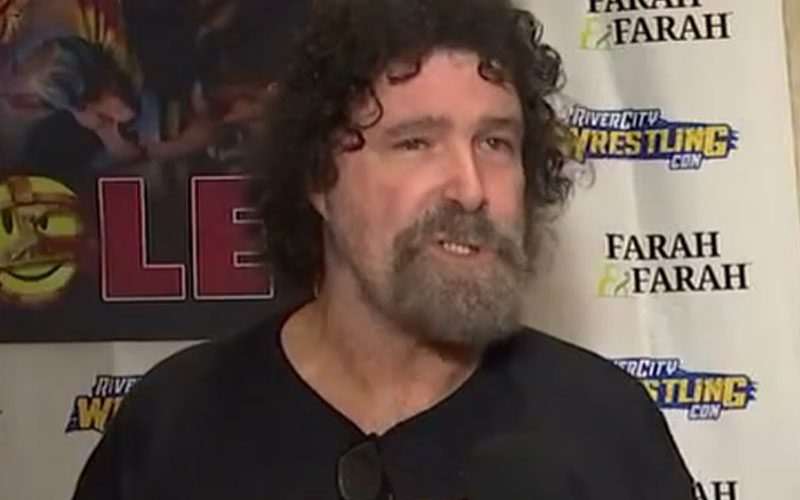
The Price of a Moral Red Line
Professional wrestling has long operated on a quiet policy of compliance. For retired legends, the WWE Legends contract functions as a comfortable pension, securing steady royalties and appearance fees. In return, the corporate office expects silence, loyalty, and brand alignment.
When Mick Foley allowed his Legends contract to expire in June 2026, he shattered that unspoken agreement. His exit was not a standard financial dispute. It was a deliberate, public rejection of the company's political alliances.
Foley has never hidden his convictions, but the final straw arrived in late 2025. The brutal murder of filmmaker Rob Reiner and his wife Michele shocked the country. Yet the political response from the highest levels was shockingly heartless.
Donald Trump suggested the tragedy was linked to political derangement. Foley immediately reached his limit. He decided he could no longer represent a company closely tied to the administration.
As Ringside News reported, his exit from WWE was a direct response to this cruelty. He chose to speak out rather than remain complicit in silence. It was a difficult decision that carried immediate financial consequences.
Foley abandoned his easiest source of income by walking away. The WWE machine provided lucrative merchandise royalties and high-paying appearances during WrestleMania weekends. These royalty streams derived from video games, action figures, and classic footage archives.
During his appearance on the Going Ringside podcast, he put the financial math in stark terms. He noted that he now has to work 24 hours on his own to make what he would have made in four with WWE. It is a massive physical and logistical sacrifice for an aging performer.
Most wrestling legends cling to their WWE contracts regardless of political developments. They overlook corporate associations if the licensing checks continue to clear. Foley proved that some moral boundaries are non-negotiable.
He demonstrated that a performer's voice cannot be bought indefinitely. This moral stand exposed the golden handcuffs of the Legends system. Foley's departure challenged the industry's culture of passive compliance.
The Ideological Shift to Jacksonville
Once the WWE ties were severed, Foley's transition to All Elite Wrestling followed quickly. His debut at the Double or Nothing event in May 2026 signaled a fresh start. Backstage at AEW, Foley found an environment that contrasted with the corporate rigidity of Stamford.
He praised AEW President Tony Khan's genuine passion for professional wrestling. The atmosphere backstage was described as a completely different type of experience. For Foley, this transition represents more than a simple change of employer.
It highlights the growing ideological divide between the two major American wrestling promotions. WWE operates as a massive corporate machine, deeply connected to global sports entertainment branding. AEW behaves with the energy of a well-funded independent promotion, driven by fan enthusiasm.
For Foley, the creative freedom of AEW offered a sanctuary after years of growing discomfort. He could speak freely without corporate handlers editing his thoughts. This shift allowed him to reclaim his voice as an independent analyst.
Leaving WWE did not mean erasing the history he built there. In his podcast appearance, Foley set the record straight regarding his past. He clarified that he has no bitterness toward the company regarding his legacy.
He knows those matches belong to the fans as much as they belong to the corporate archives. He wants younger audiences to discover his past work and understand the sacrifices made. Foley remains proud of his career and the physical toll he endured.
He clarified that he has no issues with WWE airing his historic footage. He stated that the company has every right to show his classic matches. He wants people to see them because they are part of his history.
The only exception he noted was some of his Dude Love material. He admitted, with a self-deprecating laugh, that he finds those segments difficult to watch today. Otherwise, he remains proud of the physical sacrifices he made in those rings.
The Danger of the Nostalgia Loop
The most concerning aspect of Foley's current run is the persistent talk of an in-ring return. During his interview, Foley addressed the speculation surrounding one final match, naming Darby Allin as his dream opponent. The pairing is fascinating on paper, representing two generations of wrestling's most notorious daredevils.
Foley was the pioneer of the self-sacrificing style that defined the late nineties. Allin is his modern successor, a performer who hurls his body through glass panes and off ladders with terrifying frequency. But the physical realities of these two men could not be more different.
Foley's interest in Allin is deeply paternal. He has expressed a desire to mentor Allin and warn him about the long-term consequences of his style. Foley knows the physical cost of that style better than anyone.
He is 61 years old and lives with the permanent physical bill of his career. His joints are artificial, his back is compromised, and his brain has suffered numerous concussions. He wants to help Allin find a way to protect his body before it is too late.
The irony is that the broken mentor is teasing a return to the very ring that destroyed him. Foley admitted that he is not in wrestling shape. He would need to lose at least 30 pounds just to be in poor condition.
His cardio is suspect, and his physical mobility is severely limited. The idea of Foley taking a single bump in a modern wrestling ring is frightening. Even with a protective opponent like Allin, the risk of a catastrophic injury is far too high.
Wrestling veterans rarely resist the lure of the ring. The industry is built on the myth of the one last ride. But Foley has nothing left to prove.
His legacy is secure, cemented by classic encounters like the 1998 Hell in a Cell match in Pittsburgh. To risk his health now for a nostalgia-fueled spectacle would be a grave mistake. Fans do not need to see him struggle through a match.
A Duty of Care in a Reckless Business
This is where Tony Khan and AEW management must exercise restraint. Khan has a tendency to indulge the creative whims of his legendary signings. While this results in memorable moments, it also carries a significant risk.
AEW must not become a platform where aging stars damage their health for ratings. The company has a responsibility to protect these performers from their own instincts. The value Foley brings to AEW lies in his mind and his promo ability.
He can guide the next generation of high-fliers without lacing up a pair of boots. His presence alone elevates the product and lends credibility to the younger talent. He can be a teacher without being a participant.
Wrestling has always been a meat grinder that consumes its workers. The physical damage Foley sustained during his career should serve as a warning, not a blueprint. By urging Darby Allin to protect himself, Foley acknowledges the limits of human endurance.
Yet, by hinting at his own return, he flirts with the same self-destructive cycle. He must choose to be the voice of reason rather than another cautionary tale. Foley's legacy is defined by his willingness to suffer for his art.
He gave his body to the fans in exchange for immortality. But that debt has been paid in full. There is no need for a final installment.
His current role as an elder statesman is far more valuable than any return match could ever be. He can offer guidance that saves careers rather than risking his own. This is where his focus should remain.
Foley's journey is a study in the complexity of wrestling legacy. He walked away from WWE's easy money on principle, a move that deserves respect. He found a new home in AEW, where his experience can help shape the future.
But he must leave the wrestling boots in the closet. The real victory for Foley is that he stands tall, on his own terms, with his integrity intact.
The industry must learn to appreciate veterans for their wisdom rather than their bumps. We have seen too many legends return only to tarnish their legacies in sad, slow matches. Foley's moral stance has already set him apart from his peers.
Letting go of the ring is the hardest part of a wrestler's journey. But Foley has the unique opportunity to build a new archetype for retired stars. By remaining on the microphone and behind the scenes, he preserves both his health and his dignity.
The stories he can tell and the lessons he can teach are worth far more than one last bump. AEW has the chance to show that it values its legends as human beings, not just nostalgia bait. That is the ultimate test of Tony Khan's leadership.
WWE Elite Collection Series 100 Action Figure
Poseable, high-detail figures that capture the intensity of the ring.
Frequently Asked Questions
Why did Mick Foley leave WWE in 2026?
When did Mick Foley make his AEW debut?
How did leaving WWE impact Mick Foley financially?
What is a WWE Legends contract?
Why did Mick Foley choose to join AEW?
More Coverage
Apollo Crews is rumored to answer Mustafa Ali's Slammiversary open challenge
an hour ago
Kevin Nash contract dispute sparks rumors of a shock wrestling departure
an hour ago
Inside WWE's failed pursuit of Brian Cage and his Hollywood future
an hour agoBishop Dyer's MLW contract dispute points to a major WWE return
an hour ago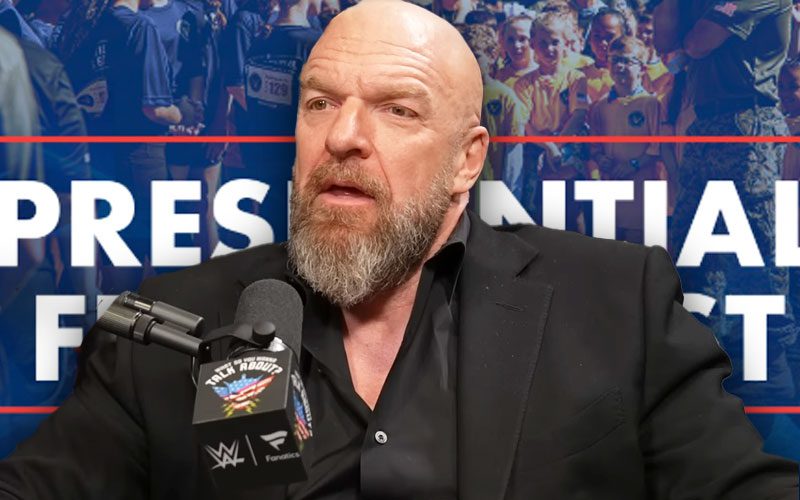
Triple H is trying to save the next generation from gym class trauma
2 hours ago
Can WWE's performance data actually save the Presidential Fitness Test?
3 hours agoMore Analysis
Apollo Crews is rumored to answer Mustafa Ali's Slammiversary open challenge
an hour ago
Kevin Nash contract dispute sparks rumors of a shock wrestling departure
an hour ago
Joe Hendry is winning on Raw while TNA ratings fall off a cliff
an hour ago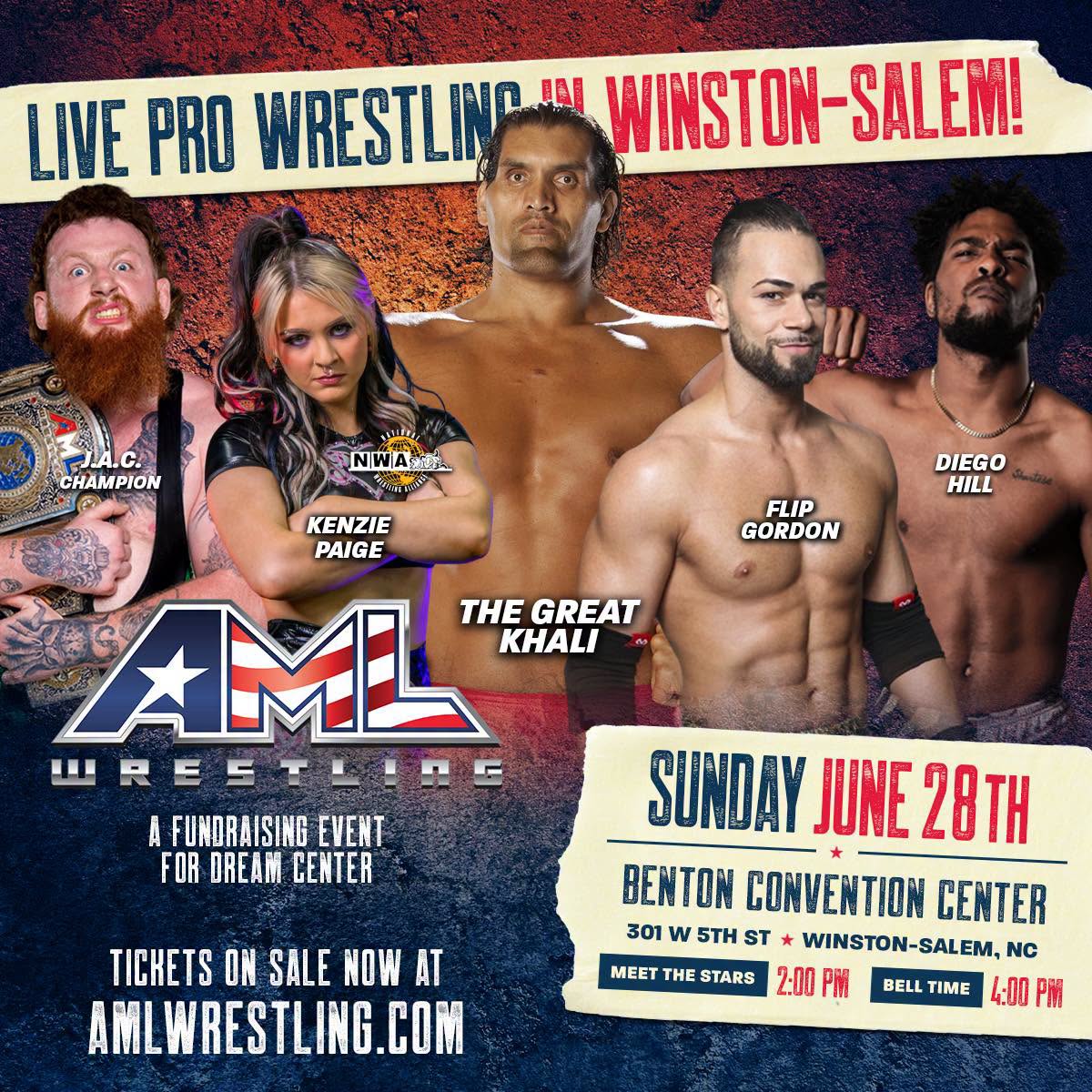
Beer City Bruiser squashing James Ellsworth at AML split the wrestling internet
an hour ago