MLW is betting on chaos to stay relevant in a crowded market
The Philadelphia experiment and the quest for identity
Major League Wrestling returned to Philadelphia on June 12 with a card that felt less like a measured progression and more like a frantic attempt to find traction. Watching the spoilers roll in, the recurring theme remains the same: high-octane violence masking a lack of long-term narrative direction. It is a formula that worked for a while, but as the promotion looks toward the latter half of 2026, the cracks in the foundation are becoming visible.
We saw the return of familiar names, yet the execution felt disjointed. In a promotion that prides itself on being an alternative, relying on the same Philadelphia crowd to carry the energy suggests a limitation. There is a clear tension between the desire to be a gritty, sport-based product and the temptation to descend into pure gimmickry. Every time a match starts to build authentic tension, an interference or a bizarre finish resets the clock.
The strategic failure of rapid-fire booking
The pacing of the June 12 tapings highlights a persistent issue for MLW: the over-saturation of intensity. When every segment is designed to be the "show-stealer," nothing actually stands out. The crowd in attendance reacted to the big spots, certainly, but the engagement felt localized to specific maneuvers rather than the result of a cohesive story.
Technical wrestling is frequently abandoned for chaotic brawls that serve little purpose beyond a highlight reel. If the goal is to differentiate from the larger entities, perhaps focusing on actual ring psychology instead of exclusively high-variance spots would yield better dividends. The roster remains talented, yet they are often deployed in ways that minimize their unique abilities. It is frustrating to witness this level of physical talent struggle to find a coherent voice.
The weight of the schedule
The reliance on tapings means that the audience at home gets a disjointed experience relative to those in the venue. We are essentially watching a product that feels edited for maximum noise rather than narrative substance. When you look at how the Philadelphia tapings unfolded, the disconnect between the live arena energy and the long-term viewer experience is stark. It creates a ceiling that the promotion seemingly refuses to break through.
A critical observation regarding the current booking: the reliance on veterans to carry young talent is becoming a crutch. If you cannot produce new stars who resonate beyond the Philadelphia base, you aren't building a movement; you are simply maintaining a cult. The lack of stakes in many of these matches makes them feel like exhibition contests rather than essential viewing. The management needs to decide if they are a development ground for the next generation or a nostalgia trip for the current one.
Refining the vision
Looking at the output from June 12, the talent is capable of elite work. The movement into the next quarter of the year requires a significant pivot from the 'shock-first' philosophy. Wrestling is most effective when it trusts the audience to follow a thread. MLW fans are arguably some of the most loyal, but loyalty has a breaking point when the reward for watching is consistently stagnant creative growth.
To survive in the current market, the product needs to lean into what makes it distinct without sacrificing internal logic. If you stop trying to compete on grandiosity and start competing on technical depth, the results will shift. Until then, we are left analyzing the same patterns in a different city, hoping for a structural shift that never quite arrives.
Blood and Guts: The History of Wrestling's Most Dangerous Matches
A deep dive into the hardcore history of the business.
Frequently Asked Questions
What is considered the main flaw in MLW's current booking strategy?
How does the tape-delay format affect the viewer experience?
Why is the reliance on Philadelphia crowds a potential issue for MLW?
What is the primary criticism of MLW's use of its roster?
What does the promotion need to change to improve its product?
More Coverage
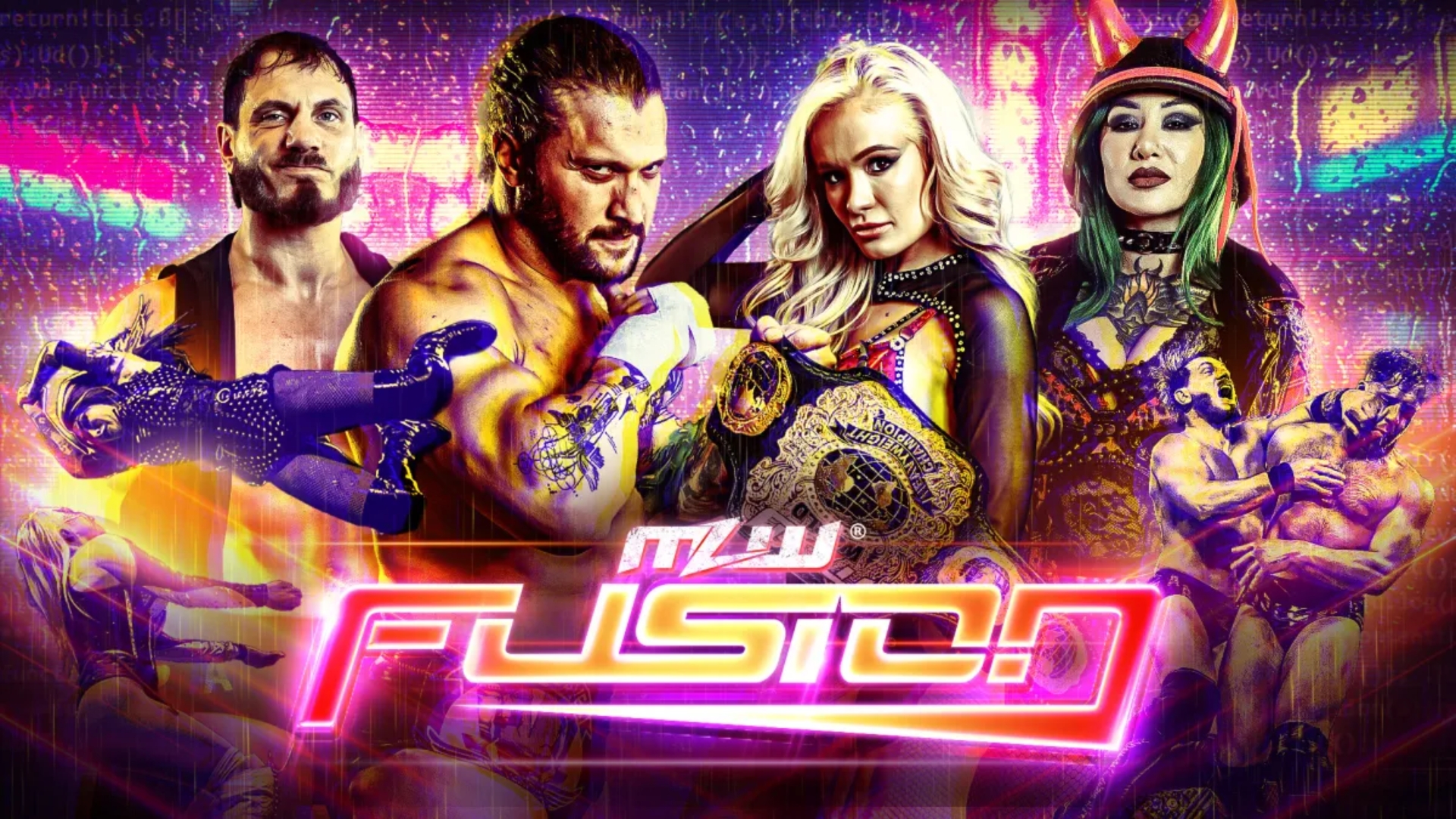
MLW Fusion taping reveals key injury concerns amid New York event
3 hours ago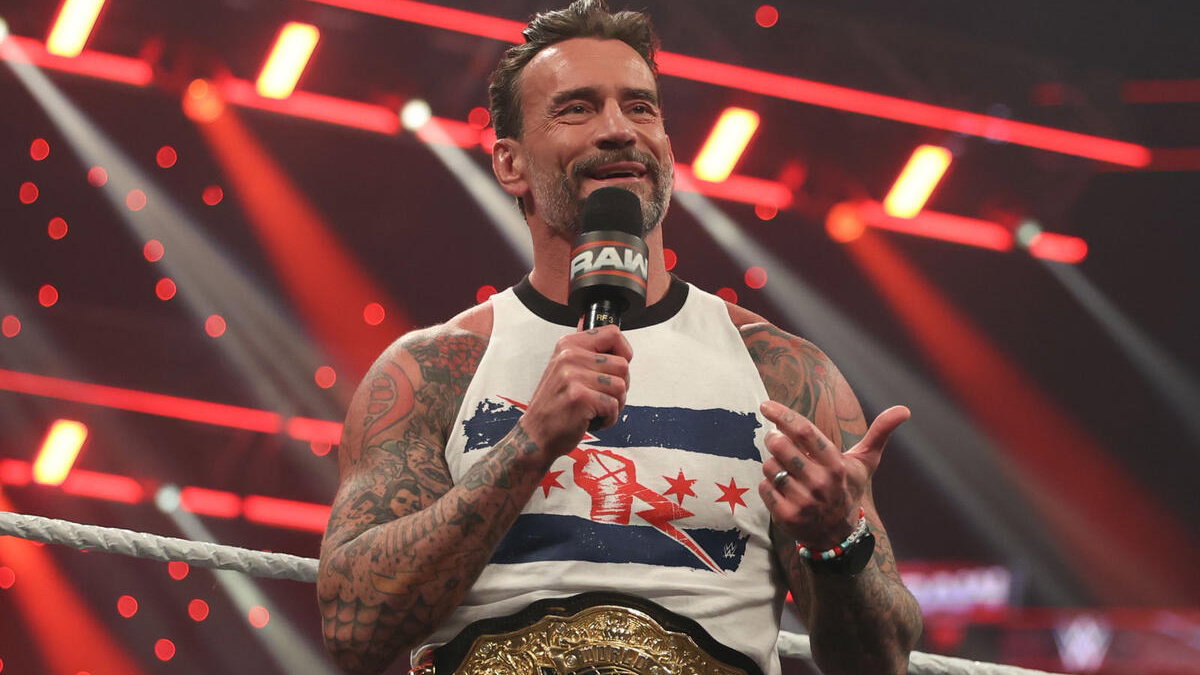
CM Punk is doing everything except wrestling on TV right now
4 hours agoTrick Williams is hitting the numbers required for a world title run
5 hours agoSmackDown’s tag division is stuck in a loop of diminishing returns
6 hours ago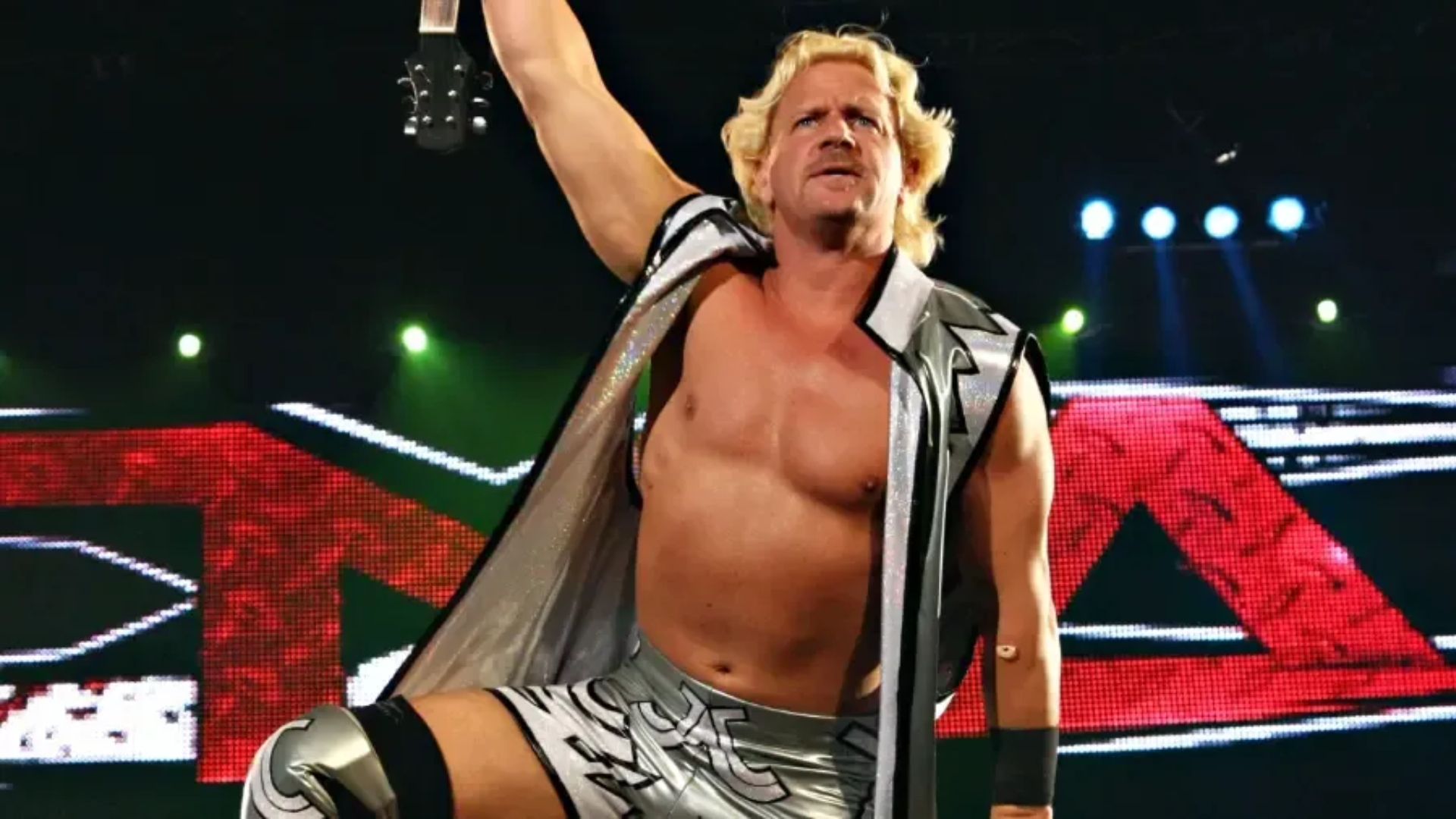
Top 10: Jeff Jarrett's Most Influential Moments and Takes
11 hours ago
Top 10: Defining Moments of the 2026 Wrestling Calendar
13 hours agoMore Analysis
Rhea Ripley's injury leaves a massive void atop the women's division
2 hours agoCody Rhodes and the creative ceiling on Friday nights
2 hours ago
SmackDown’s Providence stop fails to build momentum for upcoming PLE
2 hours ago
MLW Fusion taping reveals key injury concerns amid New York event
3 hours ago
Corporate wrestling lawsuits always end with a whimper
3 hours ago