The end of the celebrity crossover era
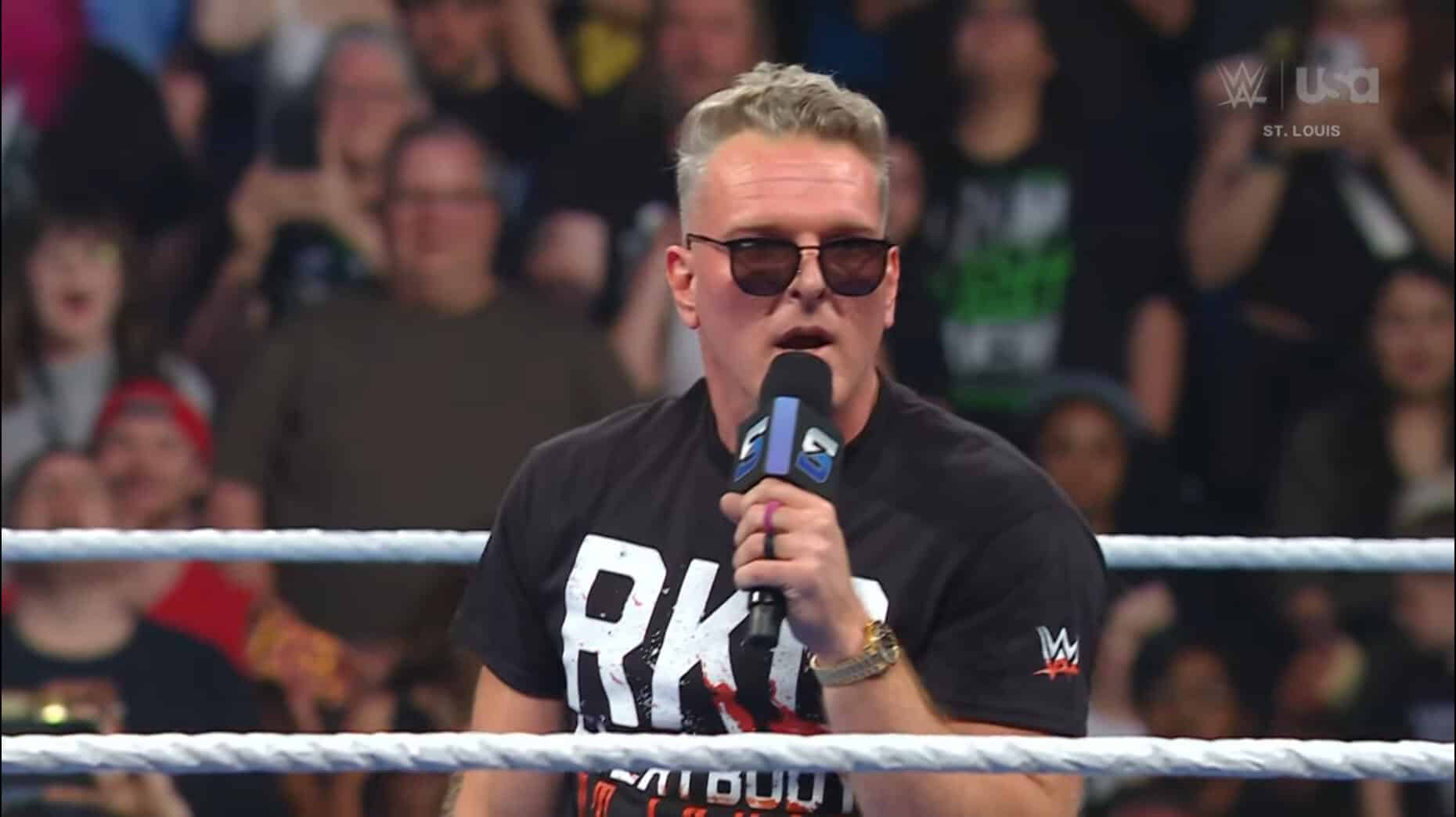
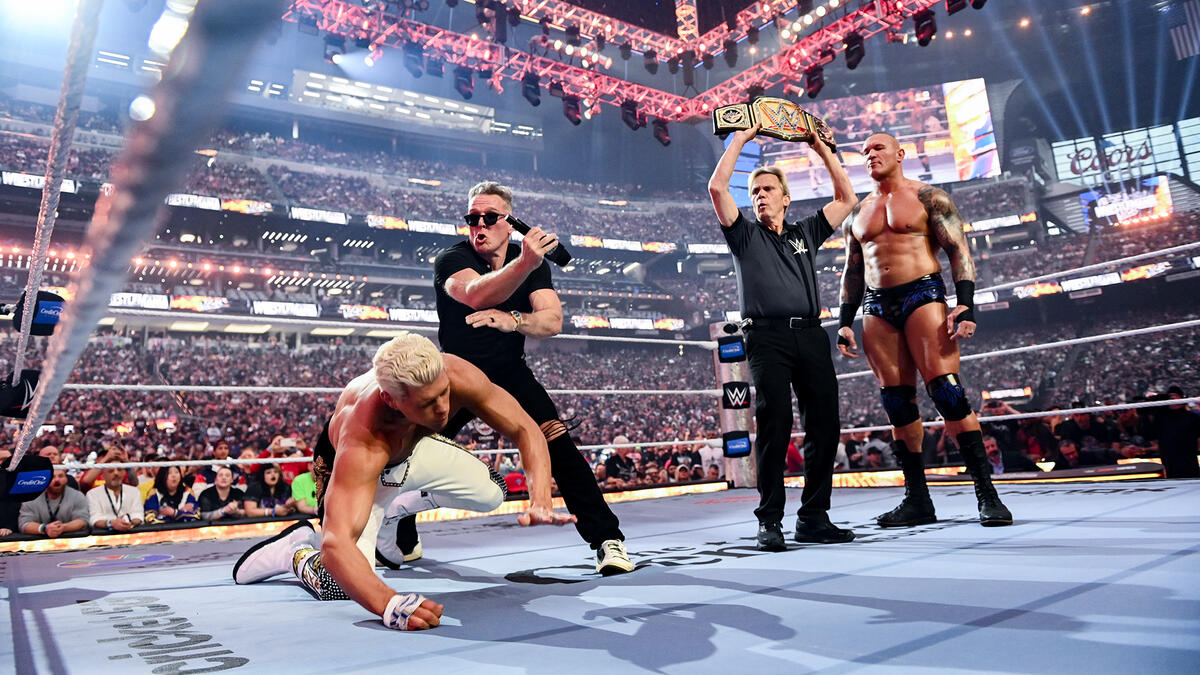
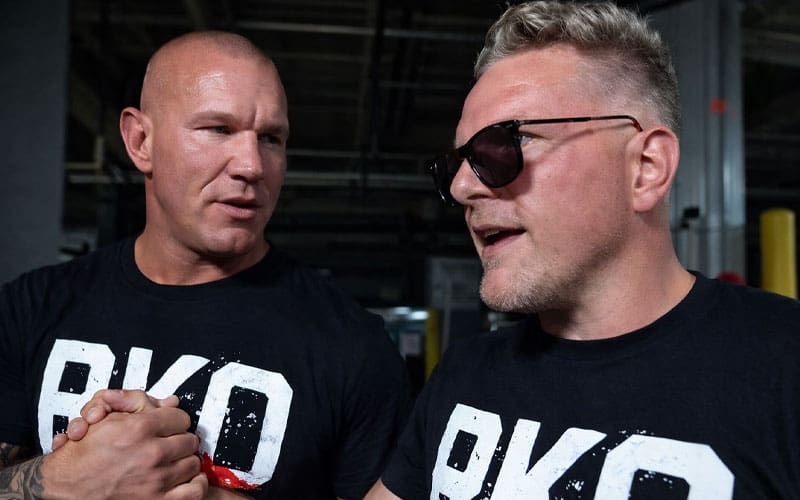
Pat McAfee has finally confirmed what many observed during the post-show fallout of the recent stadium events. By placing his wrestling career firmly in the rearview mirror, he marks the conclusion of a high-energy, personality-heavy broadcast style that defined the last several years of WWE television.
While his natural charisma provided a jolt to the commentary desk, his departure necessitates a return to technical, story-focused analysis. As recent analysis suggests, the over-reliance on celebrity influence often blurs the line between legitimate athletic contest and variety entertainment. We no longer need to speculate on his status; the man himself has stated he is moving on.
Reframing the broadcast booth
The absence of McAfee leaves a vacancy that cannot be filled by another exuberant personality. The product requires a transition toward the grounded, play-by-play craftsmanship that made previous eras work, despite how chaotic the presentation became.
We can look back at the broadcast standards of a decade ago to see the difference. In 2016, the focus remained on roster transitions and narrative momentum rather than the spectacle of external stars. The current WWE office has a chance to recalibrate the audio experience, shifting away from reaction-heavy commentary toward tactical coverage of the action unfolding inside the ring.
The missed opportunity in recent booking
There is a glaring flaw in the current strategy of treating every marquee match as a destination point rather than a progression point. Since the retirement of Brock Lesnar and the conclusion of high-profile feuds like Roman Reigns against C.M. Punk, the company has struggled to build an immediate sense of urgency for the mid-card.
The lack of a sustained, long-term build for the upcoming spring cycle is evident. It is not enough to simply cycle through opponents; there must be functional, ring-based reasons for these matchups to occur. Without a clear direction, we are seeing 212,000 viewers fluctuate in similar regional programs, proving that casual interest is not a substitute for consistent, logical storytelling.
The prediction
Moving forward, WWE will likely lean into a more traditional broadcast booth pairing to steady the ship before the upcoming summer events. Expect the next few weeks of television to feel experimental as they test new commentary combinations.
My call? They will move toward a veteran sports broadcasting model rather than hiring another content creator. It is an admission that the high-concept celebrity experiment provided diminishing returns, and the bottom line will force a tighter focus on genuine in-ring conflict by the 9th of May.