The wise man speaks on the creative shift
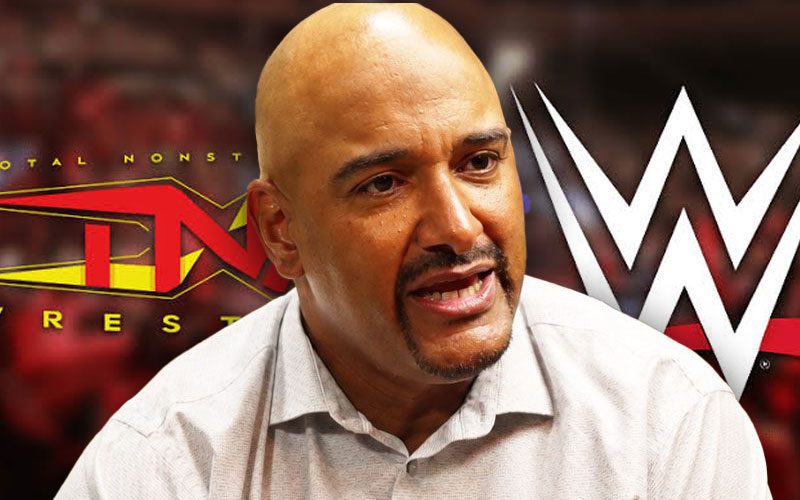
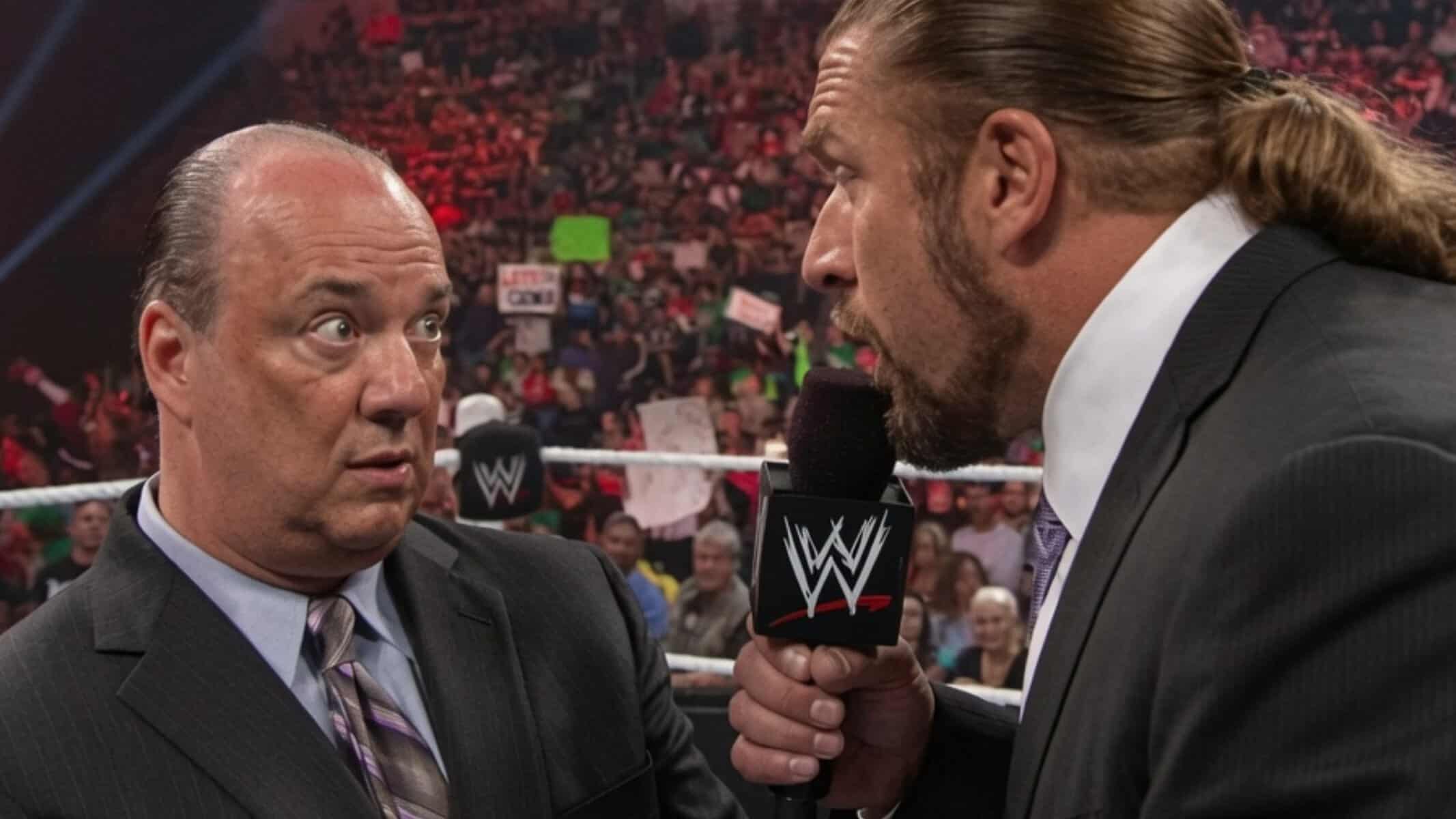
Paul Heyman just went on record stating that Triple H is the absolute best person to lead WWE creative. Whether you think the current product is gold or just a shiny plastic bag, Heyman’s endorsement carries more weight than a Cody Rhodes weigh-in. He has been around every power structure since the 80s, so when he says the Game is running the show better than anyone else, he’s not just blowing smoke.
The shift at the top has been noticeable for a while now. While we were all used to the frantic 3 a.m. script rewrites that used to define the Vince McMahon era, the current pacing feels a little more calculated. It is not perfect, though. Sometimes the shows feel like they are coasting through the middle hour, relying on long-winded promos instead of actual bell-to-bell action.
Is the creative process actually working?
Heyman’s recent assessment lines up with what we see on screen. Triple H has leaned heavily into long-term storytelling, like the slow-burn arcs that define the Bloodline drama. It is a massive departure from the weekly "everything happens on the fly" madness that Paul Heyman described as a different philosophy entirely.
Let’s be real for a second—the product is cleaner. You don’t get as many nonsensical character turns that disappear after two weeks. But the trade-off is a distinct lack of raw, unpredictable energy. Sometimes you need a bit of chaos to make the show feel like it might actually explode, instead of this polished, well-oiled machine that never misses a beat.
The backstage reality of the new regime
It is easy to get lost in the praise, but let’s look at the gaps. Triple H has cleared out the cobwebs, yet some segments still drag on for 20 minutes when they could have been a sharp 8-minute beatdown. You can feel the difference when he trusts his talent to just work, and when he forces them into these scripted soap opera segments that feel written by a focus group.
Heyman is essentially a professional fan of the current setup. He likes the structure because he was part of the old guard that thrived on improvising to survive. Now, he’s watching the company institutionalize that brilliance. It turns the show from a street fight into an Ivy League debate team meet, which has its own charm but leaves the rowdy crowd waiting for a table bump that never comes.
Can Triple H keep up the pace?
The honeymoon phase is definitely over. We aren't in the "new management" transition anymore; this is just how it is. With the current roster depth, Triple H has every tool in the shed, but he still manages to overbook the mid-card talent into oblivion sometimes. Seeing talented stars float in catering while the same five people headline every premium live event is starting to rankle the fans who want to see a fresh face.
Maybe that’s just how professional wrestling operates at this level now. It’s too expensive to take risks, so they stick to the mainstays that draw the numbers. I guess I’ll take a predictable show that hits the marks over a disaster that makes no sense, but I do miss the days when the booking felt like a fever dream. If Heyman is the one vouching for the current direction, you know it’s not just a PR move—the guy is the smartest investor in the room.
The real test of this leadership isn't just about smooth sailing. It is about how they pivot when a major injury hits or when a superstar walks out the door. So far, they have managed to plug the leaks, but a ship is only truly tested when it hits a storm. For now, the locker room seems to enjoy the stability, and that is a massive improvement over the perpetual panic that defined the previous decade of production.