The passing of a broadcasting original
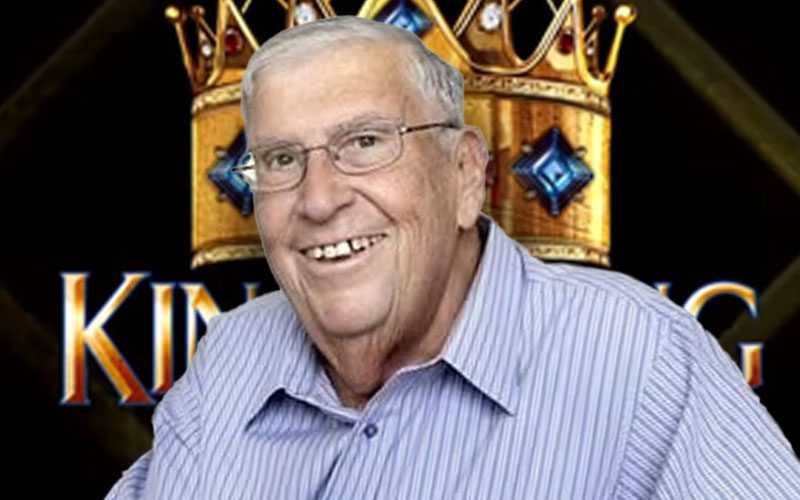
The wrestling industry lost a piece of its foundational history this week with the death of Eddie Andelman at 89. While many modern fans associate him primarily with the tournament structure, his roots ran deep in Boston media long before the concept of a televised crown became a staple of summer programming. Andelman, a titan of local radio, passed away leaving behind a family and a concept that eventually found its permanent home on the WWE stage.
Reports confirmed by F4WOnline and PWInsider highlight a career built on personality and hustle. He was not a wrestler or a booker in the traditional sense; he was an innovator who understood how to package professional wrestling for a broader sports-talk audience. By creating a tournament that elevated a single performer through a bracket-style gauntlet, Andelman provided the promotion with something they desperately needed in the mid-1980s: a clear, logical reason for a mid-card push.
Why the King of the Ring mattered
The brilliance of the King of the Ring tournament was its simplicity. In an era before advanced analytics or social media hype, a bracket forced a storyline. You didn't need a convoluted promo to justify why two guys were fighting in the finals; you only needed to look at the chart. It established a "king" who could carry heat for months, moving them from the mid-card into legitimate main event chatter.
We have to look back at the 1980s and early 90s to grasp the weight of this decision. Andelman's concept gave the promotion a way to feature high-output performers who hadn't yet been handed the world title. It turned a series of matches into a singular, cohesive narrative, essentially laying the groundwork for how modern tournament booking operates. Without the foundation laid by Andelman’s original proposal, it is hard to imagine the format surviving through the Attitude Era and into the premium live event spectacles we see currently.
The tournament in 2026: A mixed bag
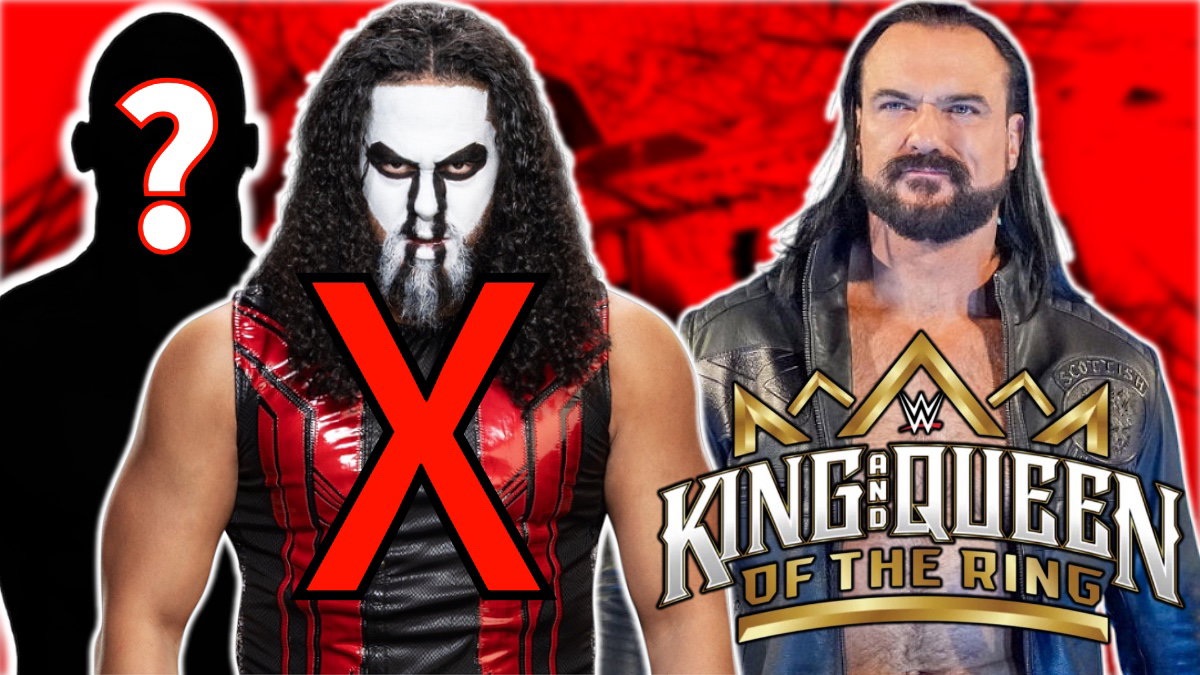
Fast forward to the present, and the tournament is very much alive, though the booking remains a contentious topic among the digital faithful. While we mourn the architect, the current iteration is seeing a fair amount of scrutiny regarding its semi-final predictability. The June 15 episode of Monday Night RAW has fueled intense speculation following reports from Ringside News that suggest Oba Femi’s path to the finals is already set in stone.
Transparency is a double-edged sword in modern wrestling coverage. Leaked spoilers regarding semi-final winners strip away the intrigue of the bracket that Andelman made popular. It is a harsh reality for the creative team to manage; if Femi’s victory is indeed locked in, much of the remaining broadcast time during the qualifying matches becomes nothing more than a procedural exercise for the audience.
The same conversation applies to the women's division. With Ringside News reports pointing toward Iyo Sky as the heavy favorite to claim the crown, the tournament risks feeling like an inevitable coronation rather than an athletic test. When the winner is broadcast across the internet days before the match occurs, the weight of the "King" or "Queen" title diminishes. It is the ultimate booking mistake to telegraph a tournament finale so blatantly that the fans have already moved on before the opening bell rings.
Refining the legacy
Andelman understood that the tournament was about elevating talent, not just checking a box on the annual calendar. When a booking becomes predictable, the format loses the very thing that made it novel: unpredictability. The current reliance on obvious winners suggests a lack of faith in the mid-card roster or perhaps a reliance on proven draws to carry the tournament’s branding.
Looking ahead, the question remains whether the tournament format can regain its prestige. It needs a high-stakes twist to justify the screentime. Maybe we need more upsets, or perhaps the crown needs to come with an automatic title shot at a major show to stop these bouts from feeling like exhibition matches. Regardless of the current booking troubles, one thing is certain: a man who created a concept this enduring deserves recognition beyond the standard corporate tribute.
Eddie Andelman leaves behind a sport that still uses his blueprints every single year. That is a rare feat for anyone outside of the active roster. 89 years constitutes a long, influential life, and the industry is objectively different because of the idea he brought to the table back in Boston. The tournament survived his passing by decades, and it likely will for decades more, provided the current creative direction remembers that a tournament is only ever as good as the surprise at the end of the bracket.