Providence crowd fails to trigger momentum for tournament brackets
The June 12, 2026, episode of SmackDown in Providence, Rhode Island, arrived with a simple mission: build internal fire for the upcoming King and Queen of the Ring finals. Instead, television viewers and those in attendance witnessed a show that struggled to find a consistent pulse. As recent reporting indicates, the two-hour block served as a placeholder rather than a pivotal turning point for the creative direction.
The pacing issues were evident throughout the night. While the tournament brackets moved forward, the stakes feel surprisingly low for names of this caliber. Fans expected a frantic pace leading to the finals, yet the presentation felt procedural and stripped of high-level urgency.
Tournament progression leaves fans wanting more
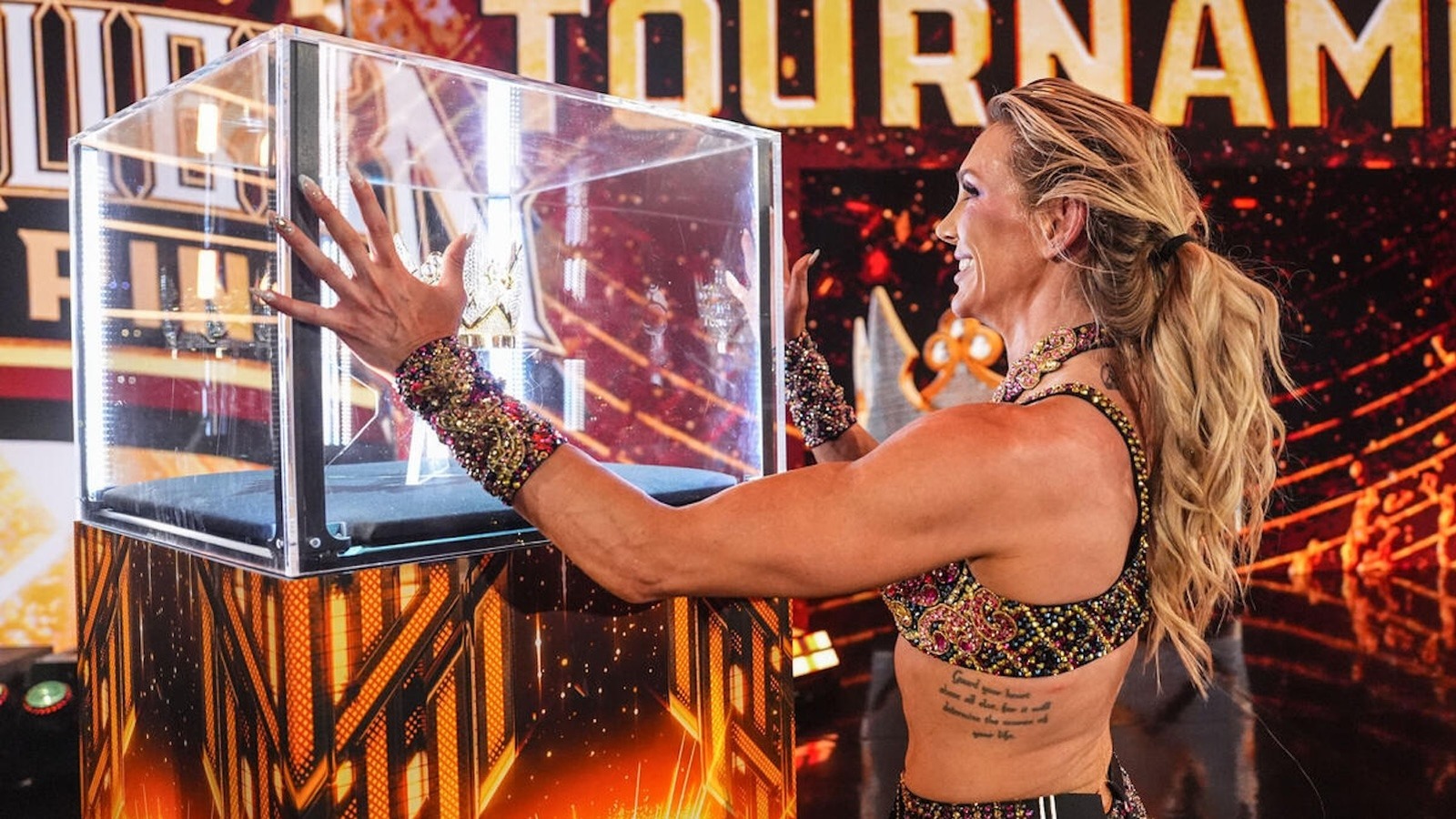
The KOTR and QOTR semifinals are officially set, but the route to get there lacked the requisite intensity. Booking decisions centered on safe, television-friendly exchanges rather than high-stakes storytelling. The creative team leaned heavily on familiar tropes, failing to capitalize on the unique opportunity provided by current roster dynamics.
As noted in the latest analysis on Wrestling Inc, the booking suffered from a lack of clear differentiation between the opening round and the deeper semi-finals. When every match follows an identical structure—a methodical start, a brief flurry of hope, and a predictable finish—the audience loses the ability to distinguish the weight of the moment. The mid-show lull was particularly damaging to the broadcast's flow.
Critical flaws in TV pacing and presentation
Perhaps the most significant failure of the June 12 episode was the inability to hook viewers who weren't already invested in the tournament format. Wrestling television relies on the ability to sell a secondary story during a filler segment, but here, the filler segments felt disconnected from the main bracket advancement. Matches that should have been explosive showcases for rising talents were relegated to rushed timing windows.
There is a glaring issue when the most anticipated segments of the night are the promos rather than the actual wrestling sequences. While promo work has improved across the board in 2026, it cannot carry the weight of a show if the in-ring work feels automated. The technical limitations visible in the ring during the June 12 taping suggest that either the talents were instructed to play it safe or the chemistry in these specific matchups was missing entirely.
Where does SmackDown go from here?
With only a short window before the next PLE, the production team has work to do. The reliance on tournament brackets to fill airtime is a classic strategy, but it requires high-variance booking to succeed. When every match feels like a mandated contractual obligation, the audience inevitably checks out.
The negative reaction on social media centered on the lack of stakes. A tournament without a sense of desperate, title-chasing energy is just a series of exhibition matches. The producers need to stop focusing on the mechanics of the bracket and start focusing on the psychological profiles of the competitors involved.
The lack of variation in match length was a particular problem. Very few bouts hit the 15-minute mark, which is usually the sweet spot for television matches to develop a genuine story. Without that breathing room, the work feels stunted and transactional. They are missing a chance to build genuine headliners.
Success in this era requires more than just meeting a set requirement. It requires creative risks. Whether they pivot in the coming weeks remains to be seen, but the current trajectory suggests a need for a drastic shift in performance intensity. Booking is an art, not a spreadsheet-fueled output.
Read Next
- The potential WWE return of a high-ceiling independent standout
- King of the Ring semi-finals have everyone ready to fight in the parking lot
- Cody Rhodes and the creative ceiling on Friday nights
- SmackDown’s Providence stop fails to build momentum for upcoming PLE
- 👑 King and Queen of the Ring 2026 — Full Coverage Hub