Measuring the stadium-scale tension
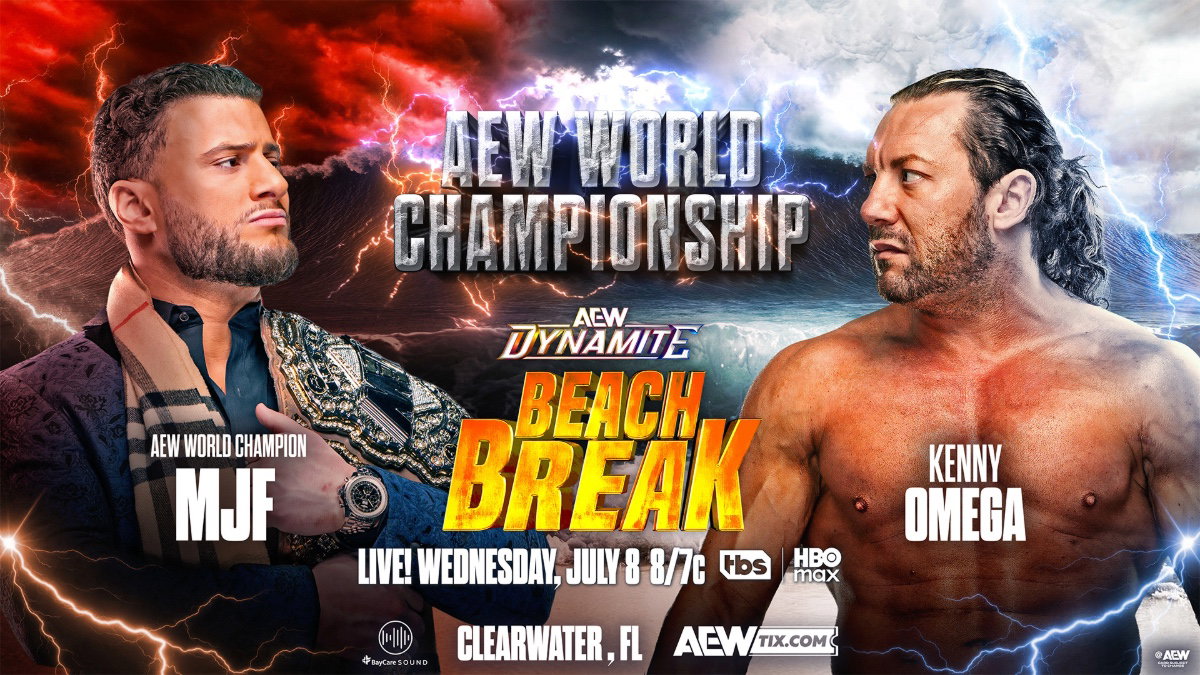
The mid-summer window is no longer just a busy time on the calendar; it is a direct confrontation of economic and cultural reach. WWE and AEW are currently fighting for the same audience share, and the recent ticketing data indicates high pressure for both promotions as they head into their respective marquee dates.
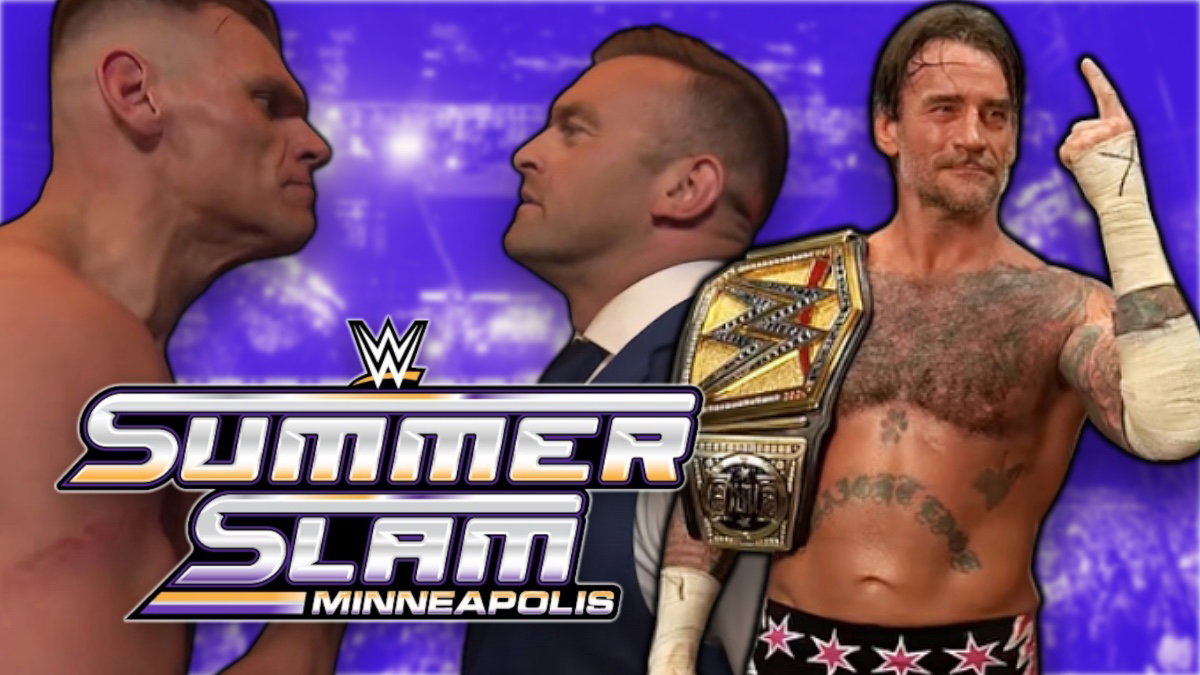
Reports suggest WWE SummerSlam is tracking well, moving inventory at a steady clip. Meanwhile, All In at Wembley is facing a different beast. With a venue capacity that dwarfs standard arena shows, the sheer volume of seats required to provide an optics-friendly broadcast is immense. As Dave Meltzer noted in his recent assessment of the market, the challenge for AEW isn't just about selling, but about sustaining the momentum that defined their previous appearances at the venue.
The danger of overestimating the market
One critical observation from the current data is the aggressive pricing of high-tier tickets. When promotions assume that the hardest of the hardcore fanbase will pay premium rates for every single stadium event, they risk alienation. The empty sections visible on the hard-cam side in recent televised events are not merely bad lighting; they are a sign of demand cooling off.
AEW is fighting to justify back-to-back years in a 90,000-seat facility. While the inaugural London event felt like a historic, singular moment, the follow-up lack the same novelty factor. If the gate numbers stall, the narrative becomes one of regression. It is a risky play that puts massive burden on the quality of the card to drive last-minute walk-ups.
Statistical realities of the summer
WWE has the benefit of a 30-year tenure for the SummerSlam brand, which provides a level of institutional trust that casual fans reliably lean on. AEW is operating with roughly 7 years of operation, trying to build that same generational habit in less than a decade. The gap between those two business models is the primary hurdle for Tony Khan’s outfit.
- WWE SummerSlam focus: Brand inertia and premium live event reliability.
- AEW All In focus: Scaling the product to retain international relevance.
The 85,000 tickets moved in 2023 set an impossible benchmark. Trying to replicate that environment every twelve months leads to burnout in the local market. If they don't see a spike in the next three weeks, the booking strategy for the undercard will need a radical shift to avoid hollow-sounding crowd noise on the broadcast.
Prediction for the summer standoff
Expect WWE to hit their desired gate count by focusing on localized hype and the reliability of their television stars. They understand the cycle of stadium sales better than any other entity in the industry. They will likely finish with an occupancy rate above 92% for the venue chosen.
AEW, conversely, will likely struggle to match their previous peak, ending up with a respectable but noticeably thinner attendance than previous years. They are banking on an international influx of fans, but travel costs and economic tightening in Europe are playing a larger role than the promoters care to admit. It is a tough year to sell out enormous spaces, and the reality will be a more tempered success than they hoped for.
Read Next