The Public Persona
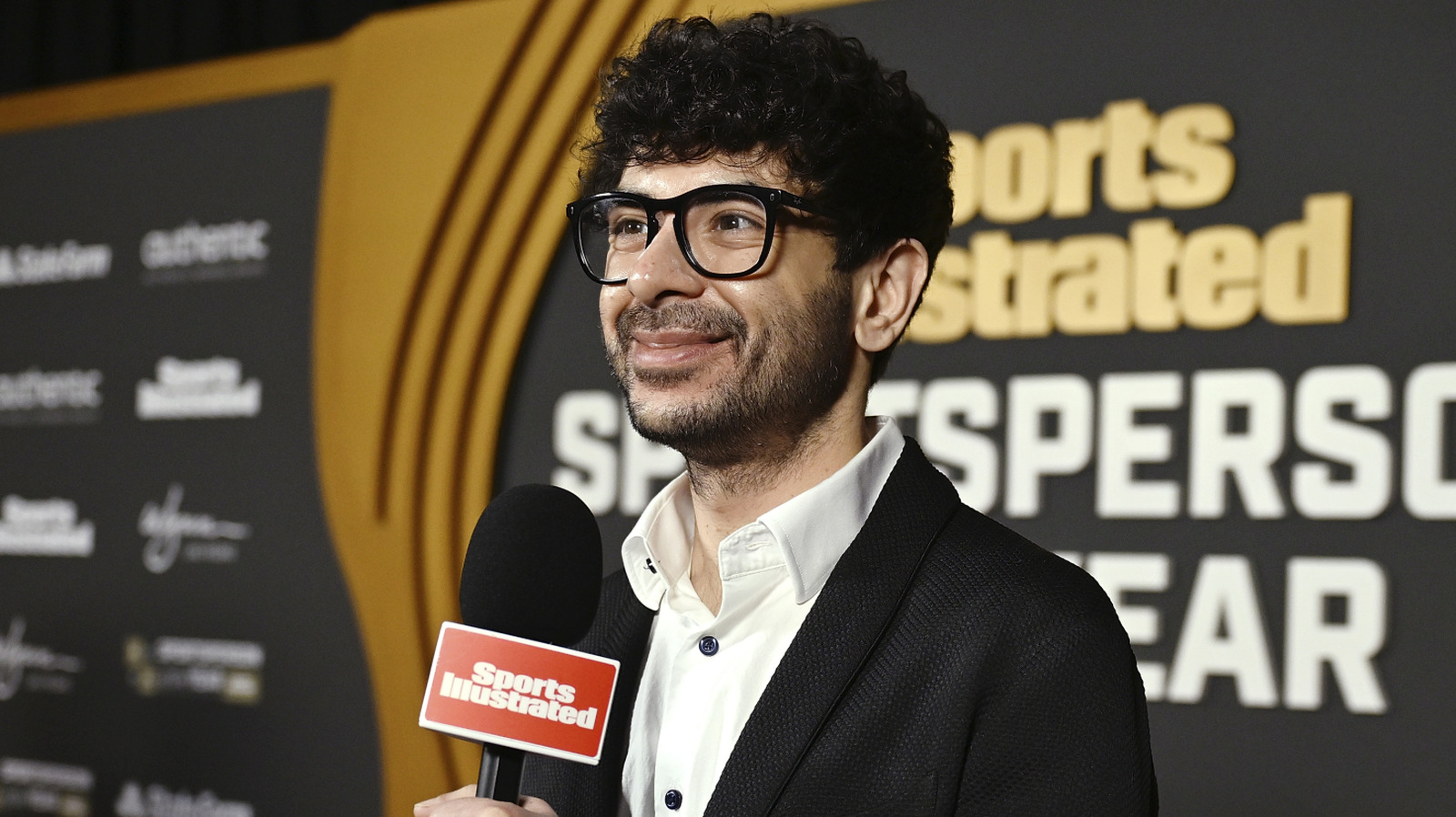
Tony Khan currently sits at the intersection of modern professional wrestling’s greatest expansion and its most divided discourse. Whether through his booking decisions, his vocal social media presence, or his management style, he rarely escapes the headlines. This list tracks the key moments and facets of his industry impact, measuring his footprint from the boardroom to the screen.
10. The Dark Side of the Ring Appearance
His upcoming participation in the docuseries signals a transition from fan-turned-promoter to an official subject of wrestling history. Evan Husney expressed genuine surprise at the willingness of the AEW head to sit for an interview. It marks a shift for a man who typically maintains total control over his narrative. Agreeing to participate in a series known for uncovering industry skeletons is a bold gambit that invites intense scrutiny.
9. The Comparison to Dixie Carter
The industry discourse often pits Khan against the ghosts of past promoters. Karen Jarrett recently used her platform to highlight the financial differences between the two, specifically regarding how talent is treated. While historical comparisons can be tedious, this assessment hit a nerve with fans of the TNA era. Her public defense of his pay structure effectively changes the conversation about his reputation among alumni.
8. The Social Media Presence
Khan is arguably the most recognizable promoter on X, often engaging directly with critics in real time. This accessibility is a double-edged sword that invites both engagement and relentless mockery. It serves as a direct pipeline to his fanbase but frequently overshadows the in-ring product. The sheer volume of his output creates a unique feedback loop that few other CEOs tolerate.
7. Talent Acquisition Strategy
He has spent the better part of the last six years poaching marquee names to build his current roster. This strategy has undeniably vaulted his promotion into the number two spot globally. It has also led to accusations of bloating his payroll, a concern often debated in industry trade publications. Regardless of the bill, he secured the necessary firepower to make his shows competitive.
6. The Direct Engagement with Legends
By bringing names like Jeff and Karen Jarrett into the fold, he has bridged the gap between old-school wrestling sensibilities and modern production. This move has drawn fire from some corners, including vocal detractors like Jim Cornette. The friction between these retired legends and the current regime remains a fascinating sub-plot for veteran viewers. It provides a constant tension that keeps the product relevant to older generations.
5. The Financial Commitment
The consistent willingness to use immense capital on production and talent sets a high floor for the industry. Critics argue this has inflated performer salaries to unsustainable levels. Proponents point to the fact that he pays his talent on time, a low bar that was not always met in previous eras. His financial transparency remains a sticking point, yet the checks clear, which is the ultimate bottom line.
4. Managing the Online Blowback
Karen Jarrett recently remarked that he receives excessive criticism that he simply does not deserve. This narrative helps humanize a figure often viewed as an untouchable corporate entity from the outside. By providing a platform for people who owe him success to defend him, he builds a defensive wall against persistent bad-faith actors. It is a shrewd maneuver in his ongoing battle for public perception.
3. The Integration of TNA History
Bringing in voices connected to the TNA era was not just a roster move, but a statement on heritage. He respects the lineage of companies often disregarded by the industry leader. While some fans view this as a vanity project, it solidifies the depth of his library and institutional knowledge. It proves he is playing for more than just current TV ratings.
2. The Booking Philosophy
His reliance on dream matches and tournament structures drives his weekly programming. This approach prioritizes the work rate, which resonates with the core audience but alienates casual viewers who need more narrative hooks. It is the defining flaw and the defining strength of his tenure. You get the best matches in the world, but occasionally at the expense of consistent story arcs.
1. The Creation of the Alternative
Regardless of current booking critiques, he succeeded in building an organization that has survived for over 5 years. Establishing a second major wrestling entity in the United States was thought to be an impossible task until it actually happened. The existence of his company has forced the market to improve, from higher travel standards to increased pay. For that reason alone, his legacy as a promoter is already cemented at 100 percent success compared to the graveyard of failed promotions past.
The Big Picture
Tony Khan functions as both the architect and the lightning rod for his entire organization. His ability to weather public volatility while maintaining a massive roster showcases a specific type of resilience that is rarely seen in wrestling management.
Honorable Mentions
His decision to purchase ROH, the increased emphasis on international scouting, and his frequent in-ring announcements during show openings. These moments are secondary to his broader impact on the industry’s professional standards.