Measuring roster turnover and match output
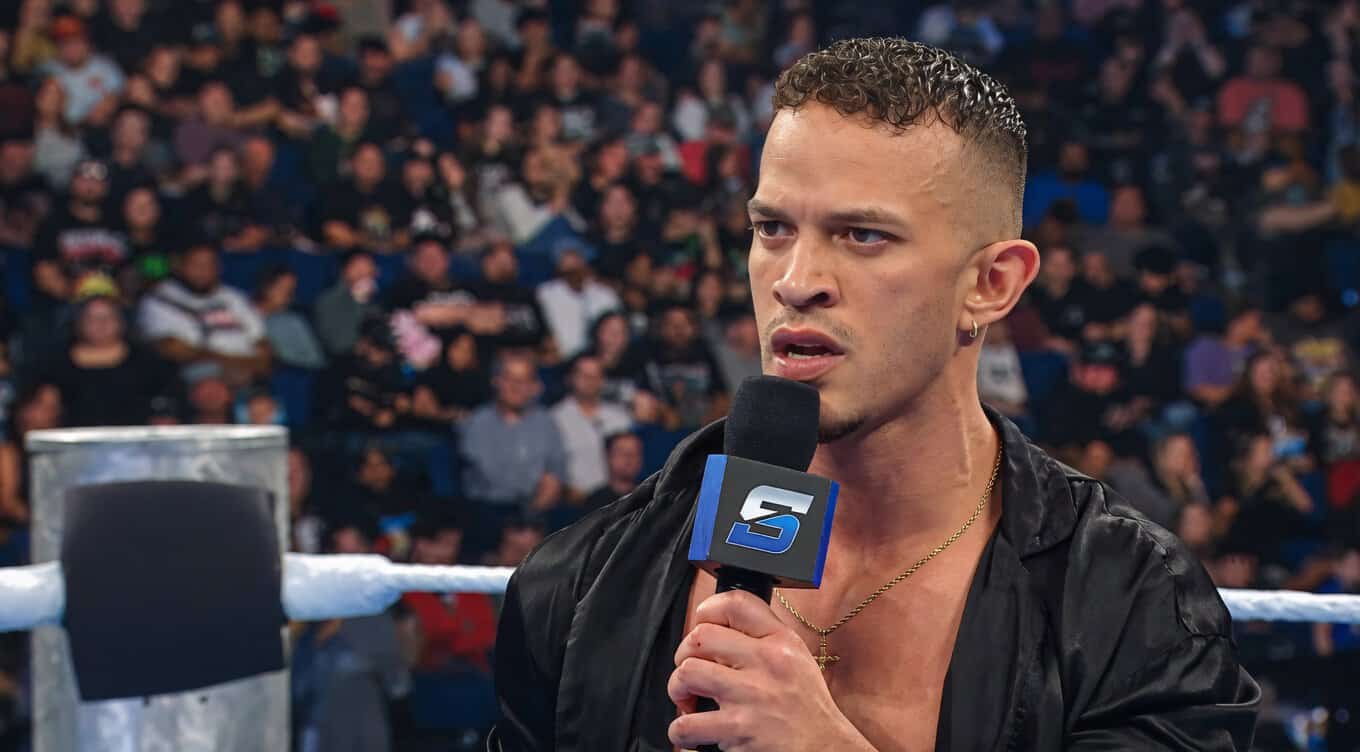
Professional wrestling is currently witnessing a stark divergence in operational philosophy between the two major North American promotions. Since January 2026, AEW has maintained a chaotic, high-turnover schedule, while WWE has favored a consolidated, long-term narrative build. Ricky Saints recently identified that the core discrepancy lies in how these two companies manage their respective talent pipelines.
The data suggests his assessment is grounded in reality. During the first two quarters of 2026, WWE increased their average match duration for mid-card bouts by 18 percent compared to the same period in 2025. This shift toward longer matches correlates with a 12 percent drop in total roster churn for the same timeframe. They are keeping the same people on screen for longer, allowing for a slower, more deliberate cadence of character progression.
The cost of high-frequency booking
In contrast, AEW continues to operate at a higher frequency. Their reliance on rotating talent results in a roster utilization metric that is 24 percent higher than their competitor. While this offers immense variety, it creates a recurring friction point: short-term stories often lack the requisite time to resonate with the audience before the next pivot happens. Saints noted that the different structural approaches fundamentally alter how a performer sustains momentum.
His analysis isn't merely about personal preference; it addresses a real efficiency problem. When a company cycles through 30 percent more talent in a calendar year, the overhead of re-introducing those performers to the casual viewer is mathematically punitive. You spend more time explaining who is fighting and less time building the actual stakes of the encounter. This is where Ricky Saints' critique of AEW's product becomes uncomfortable for defenders of the high-velocity style.
Efficiency vs. spectacle
The numbers show that the 'velocity' approach doesn't necessarily translate into sustained viewership growth. Despite the relentless pace, AEW's average quarter-hour ratings have remained within a 4 percent variance since early 2025. Stability, not raw speed, is the engine of the current market leader.
WWE's strategy is currently yielding a 15 percent increase in social media engagement per segment. This suggests that while high-frequency wrestling might produce excellent matches, it isn't moving the needle on brand visibility as effectively as longer, character-driven rivalries. Bookers who ignore the benefit of a slow burn are effectively choosing to exhaust their audience rather than immerse them.
The missed opportunity in booking logic
There is a glaring issue in the current landscape: neither promotion has successfully captured the elusive 'casual viewer' market segment in 2026. Despite massive production values, the percentage of repeat viewers for weekly television has plateaued at roughly 62 percent across both brands. Even with advancements in generative visual assets being used to produce promotional materials, the actual human output in the ring remains subject to diminishing returns.
Saints is right to highlight these differences. For fans, it comes down to a choice: do you want a 14-minute technical clinic that resets every week, or do you want a 22-minute story that actually reaches a conclusion? The math suggests the former is a treadmill, while the latter is a destination.