Internal unrest matches external uncertainty
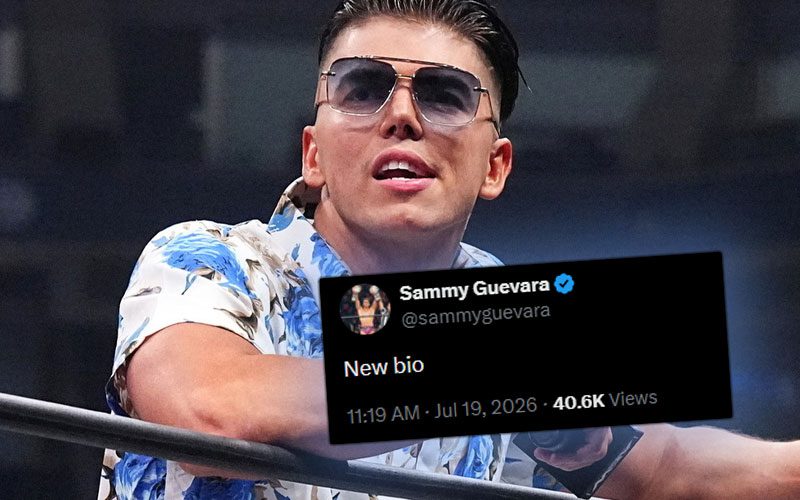
The operational framework of All Elite Wrestling is currently experiencing a period of profound friction. While fans focus on the ring, the real battle is happening behind the curtain where administrative stability feels like a luxury of the past. The most obvious indicator of this tension is the bizarre social media silence from Sammy Guevara. Removing AEW from his digital footprint usually signals an exit strategy, yet sources indicate this move didn't rattle leadership in the way one might expect.
It suggests a disconnect between the talent's personal brand management and the corporate reality of the company. When a former TNT champion scrubs his affiliation, it creates a vacuum of information. Instead of a concrete narrative, we are left with speculation that distracts from the on-screen product. The lack of backstage alarm might imply that the promotion is simply used to these fluctuations, which is a concern in its own right.
The precarious nature of the WBD deal
Any examination of AEW must account for the Paramount and Warner Brothers Discovery merger complication. A federal judge choosing to place a hold on this acquisition on July 20 creates an immediate ceiling on long-term planning. For a organization tied so closely to WBD, legal stagnation is never a neutral factor. It freezes potential budget expansions and limits the certainty of future broadcast deals.
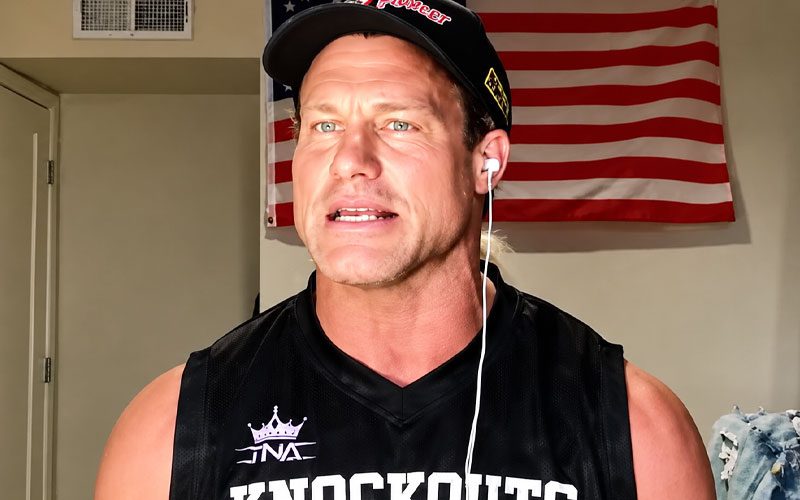
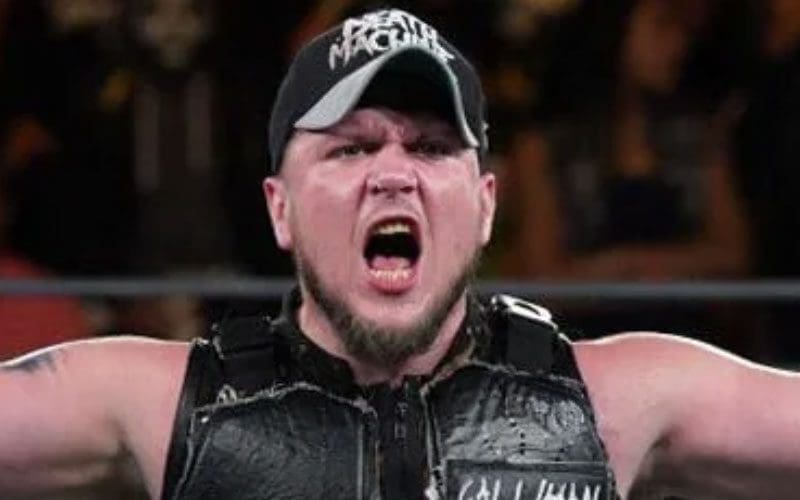
Operational ambiguity at the top filters down to personnel decisions. We see this manifested in the trial engagement of Sami Callihan. Bringing in a veteran producer for a temporary stint is standard procedure in some industries, but here it highlights a revolving door approach to backstage leadership. Using a trial basis suggests a hesitance to commit, mirroring the broader caution currently dictating AEW's financial strategy.
The gap between perception and policy
The immediate reaction to Guevara's profile update was disproportionate to the actual backstage sentiment. Fans interpreted it as a departure, but the lack of urgency from management confirms that communication lines are frayed. If the internal team isn't bothered by a flagship star distancing his image, the booking process likely lacks a singular, coherent vision.
This is where the product suffers. Wrestling, at its best, requires iron-clad loyalty between the talent and the creative vision. When the performers feel entitled to keep their options open and the front office is busy dealing with federal court injunctions, the product naturally loses its edge. We are seeing a decline in narrative friction, replaced by administrative friction.
My prediction for the upcoming weeks is a period of continued roster shuffling masked as creative reinvention. Without clarity from the WBD merger, AEW cannot commit to long-term talent retention plans. Expect at least one high-profile departure or a significant hiatus before the quarter ends. The 30 percent turnover rate at the producer level over the last year is an anchor dragging down the show's potential. They need stability, but the legal reality outside of their control makes that an impossibility for the foreseeable future.