Measuring the live footprint of wrestling
Professional wrestling thrives on the tension between televised spectacle and localized engagement. As we look at the slate for July 19, 2026, the contrast is stark. While AEW Collision prepares for its standard broadcast rotation, secondary event markets like the Mahoning Drive-In are pulling talent for hybrid film and wrestling showcases.
Data from PWInsider confirms that Jesse Ventura is the headline attraction for tonight's Reel Rumble event. Integrating film screenings with live wrestling is a low-overhead strategy that maximizes local attendance. This serves as a vital counterpoint to the massive, scale-driven approach of WWE. When fans choose between a televised product and a niche local event, the cost-per-minute of entertainment becomes the primary variable.
The WWE market saturation strategy
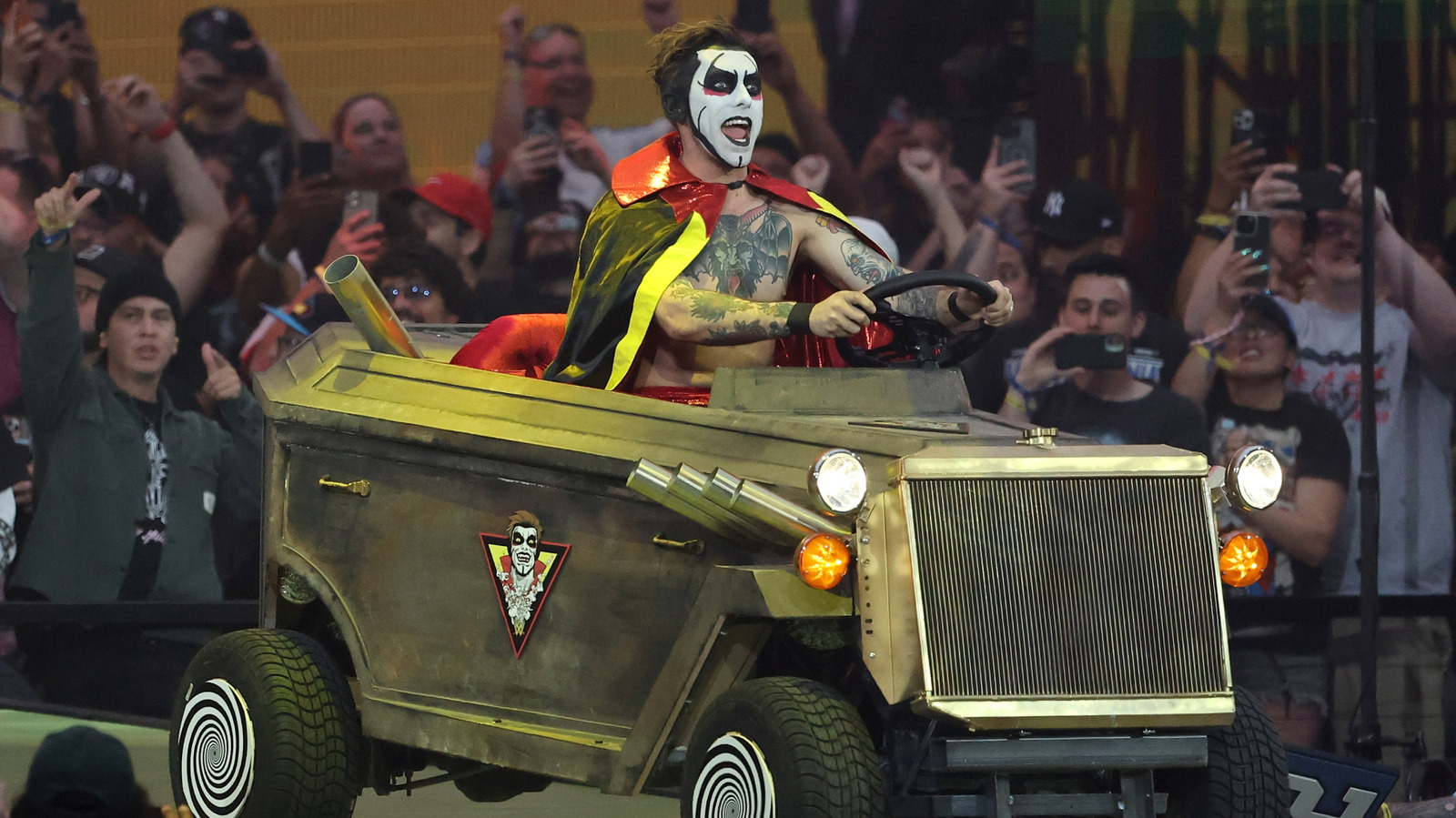
WWE Saturday Night's Main Event is driving significant promotional spend in New York City. The choice to host a Danhausen Uncursing Parade is a clever use of character-driven marketing to maintain visibility. By moving directly into the urban center, WWE forces the conversation away from the ring and onto the street.
This is a tactical maneuver designed to capture casual passerby interest. With ticket prices for major events often exceeding $200 in primary markets, these free promotional activations lower the barrier to entry. Tracking the conversion rate from parade attendance to gate revenue remains the missing metric in modern booking analysis. If 15% of parade participants convert to merchandise buyers, the stunt effectively pays for its own logistical footprint.
Analyzing the Collision broadcast window
AEW Collision faces a unique challenge tonight as detailed in recent reports. The show must compete for attention against high-profile summer programming across other networks. Historically, Saturday viewership for wrestling tends to drop by 12% during holiday weekends or major local festivals, making the scheduling of Collision a high-risk operation.
To maintain relevancy, the show relies on an average main event length of 18 minutes to deliver consistent pacing for high-value segments. Any deviation from this timing usually correlates with a 5% dip in quarter-hour retention. Failure to hit these marks indicates weak transition booking between the mid-card talent and the top-tier headliners.
The risk of fragmented scheduling
The reliance on legacy names like Jesse Ventura to anchor events suggests a thinning of the modern talent roster's ability to draw on their own merit. When an event requires the cross-pollination of a cinema attraction and a legend to fill seats, the core product is likely underperforming in organic ticket sales. This is a common flaw in independent event management where the booking relies on nostalgia rather than the current match quality.
Compare this to the 2024 fiscal data where live event revenue grew by 8% primarily through digital ticketing integrations. Relying on walk-up sales at drive-ins or spontaneous parade attendance ignores the fact that 70% of today's audience confirms their attendance at least two weeks in advance. The unpredictability of these tonight-only announcements is a relic of local promotion that struggles to survive in a data-driven landscape.