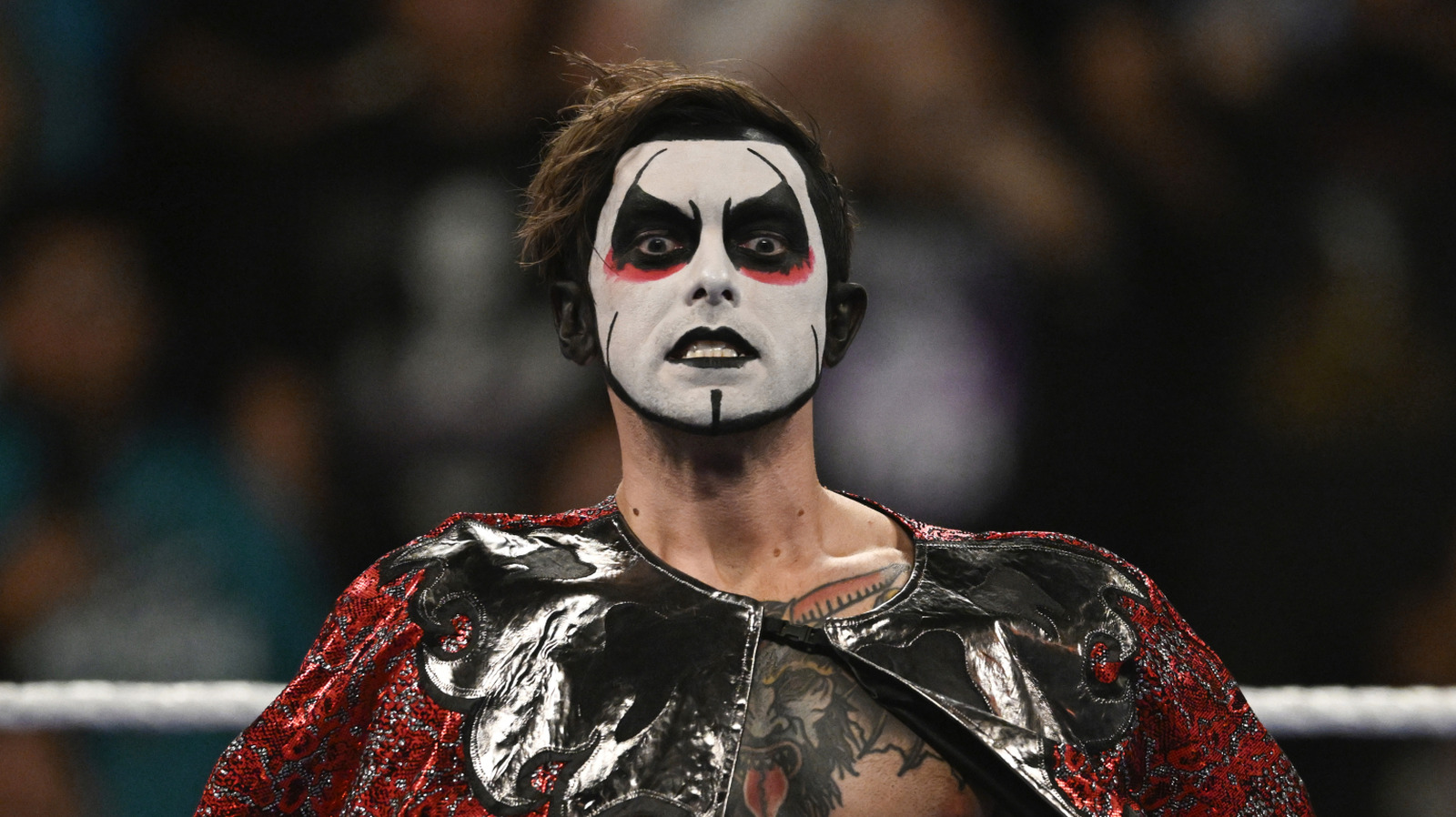
The physical cost of sustained output
Professional wrestling injuries are currently trending toward multi-year accumulation rather than single-event trauma. As the 2026 calendar hits late July, the industry faces an unprecedented stretch of diagnostic scrutiny. Promoters across the major leagues are tracking lingering issues stemming from high-frequency schedules.
While combat sports discussions gain traction regarding post-career security, as reported by Ringside News, the immediate medical reality remains grim. Veteran performers are increasingly opting for elective soft-tissue procedures to avoid the risk of acute spinal or ligament failure.
Surgical timelines and recovery expectations
The standard return window for major joint reconstruction in 2026 sits between 9 and 14 months. This timeline accounts for the volatility of ring-return physics. When a performer undergoes arthroscopic knee repair, the recovery is rarely linear. It involves a baseline of 3 months for basic load-bearing, followed by 6 months of impact-specific rehabilitation.
Strategic medical management now forces performers to delay surgery until the absolute point of structural failure. This creates a volatile booking environment where talent is cleared for televised contests while running on frayed connective tissue. The data suggests that wrestlers attempting to bypass surgical intervention for shorter term stability face a 40 percent higher rate of total career-ending injuries within two years of initial symptom onset.
Industry impact and strategic booking
The absence of top-tier talent creates a vacuum that mid-card performers struggle to fill. When a marquee name vanishes from the rotation, the creative department shifts toward transitional storylines. This often leads to over-exposure of inexperienced talent who are not yet prepared for main-event pacing.
Historically, the industry has ignored these medical red flags in favor of short-term quarterly earnings. The 2026 season shows a repeat of this pattern. Relying on aging veterans to carry house show loops is no longer sustainable. Competitors who ignore these physical warnings find themselves sidelined during peak promotional windows.
Booking logic often ignores the sheer mileage of a 15-year career. A performer taking high spots on a weekly basis accumulates micro-tears that standard physical therapy cannot address. When officials force a return before the neurological synchronization of a joint is fully restored, they invite disaster.
The lack of a unified medical standard between independent promotions and global entities like the WWE remains a glaring oversight. Performers carry injuries from indie bookings into television tapings without a transparent hand-off of medical records. This leads to mid-match breakdowns that disrupt production schedules and force expensive, last-minute creative pivots.
Critics point to the lack of dedicated, on-site diagnostics at smaller televised events as a primary failure. Without immediate access to MRI or ultrasound equipment, training staffs rely on subjective assessment. This is an archaic method that places both the performer and the integrity of the match outcome at unnecessary risk.
The shift away from full-time house show loops has provided some recovery time, but the intensity of modern television production compensates by increasing the risk factor of individual maneuvers. Fans expect high-impact offense regardless of whether the talent is at 100 percent capacity. This demand creates a toxic cycle where the athlete sacrifices their long-term health for a singular viral moment.
Management must now decide if the current rate of attrition is acceptable for brand growth. If the current injury volume continues, the product quality will inevitably crater as the talent pool thins. The financial risk of paying guaranteed contracts to inactive performers is high, yet it remains lower than the loss of goodwill that follows a preventable, televised injury.