Wrestling's sickest bump happens in the dressing room
We spend all week screaming about spots, main event pushes, and who deserves a championship run. But there is a silent graveyard inside the industry that nobody really talks about until it stops a star dead in their tracks. Recovering from an injury isn't about recovery time or physical therapy; it is a mental prison that even the toughest workers struggle to escape.
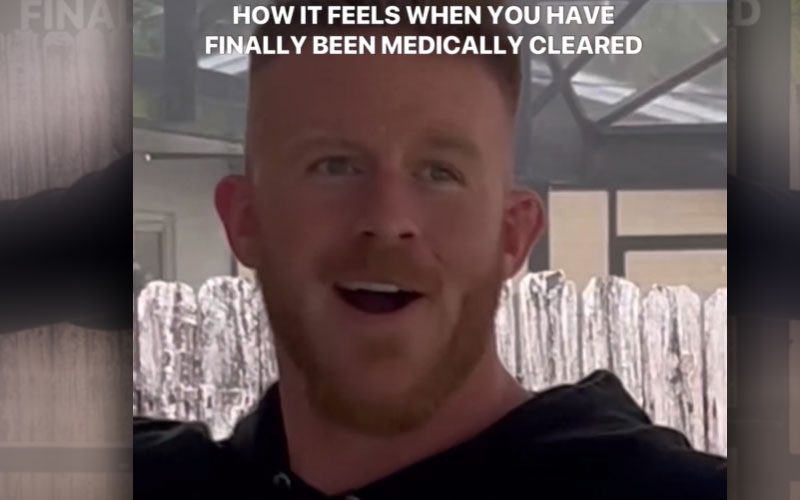
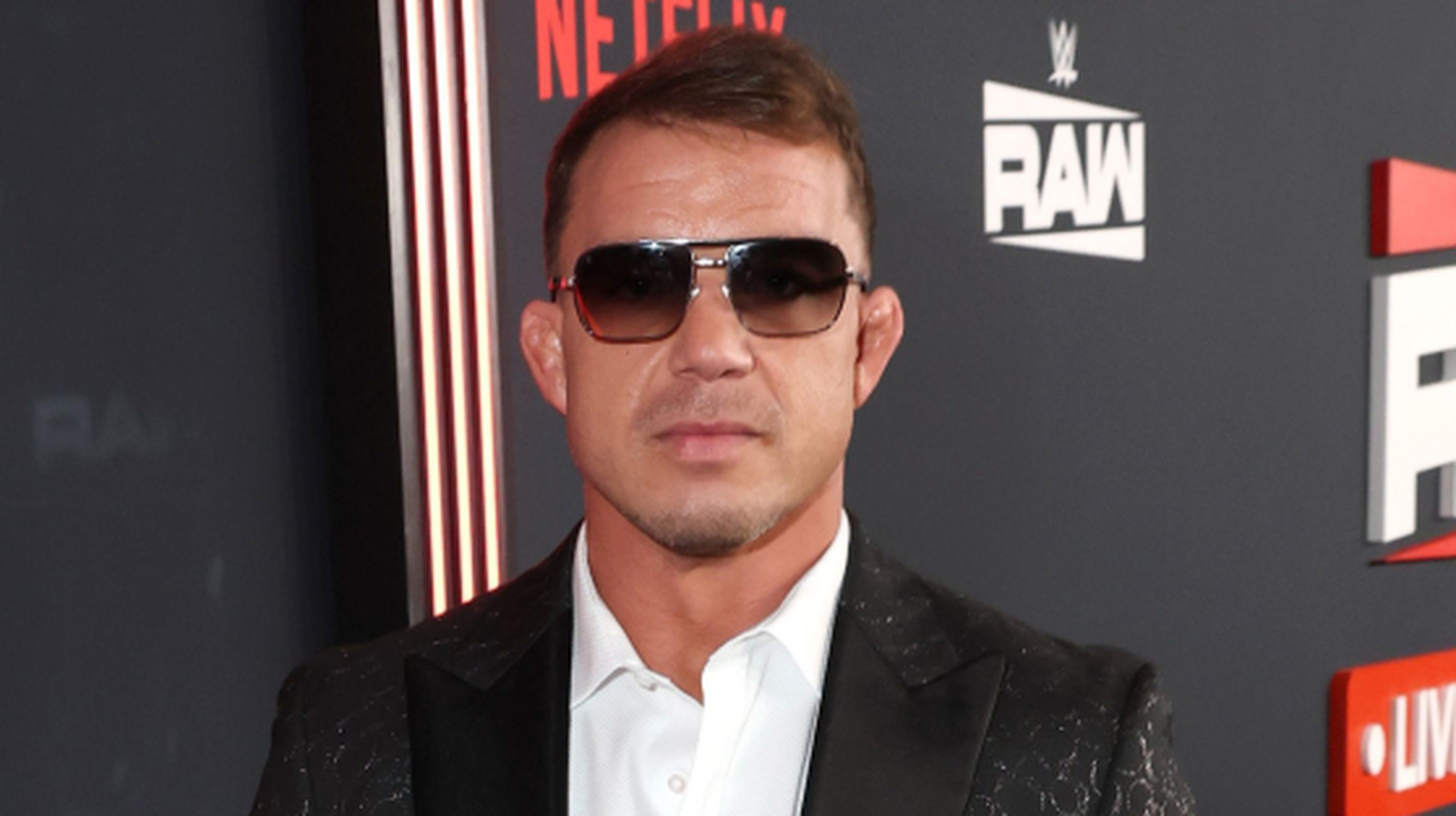
Look at the recent Chad Gable situation. The guy is an Olympic-level athlete who sells every bump like he is auditioning for a physical therapy commercial. He recently pulled the curtain back on a 2025 injury that he initially downplayed. He didn't even realize the severity until long after the bell rang. That is the reality. You work through the pain, you hit the German suplex, and then you wake up one morning unable to move your neck.
Mentorship in the dark
Injury recovery is lonely. You go from the adrenaline of a sold-out crowd to staring at a white ceiling in a surgery center. It changes how you see your own career. That is where veteran guidance becomes more valuable than any creative pivot. Skye Blue recently admitted that Adam Copeland played a massive part in getting her back on track.
Copeland has been through every wreck you can imagine. Having a guy like that available to tell you that the rehab won't kill your career is a massive help. It is interesting because while Copeland is dispensing wisdom, AEW’s creative plans for him and Christian Cage at All In 2026 reportedly hit a massive wall, according to recent reports. Even when the booking plans drift, the veteran presence remains crucial for the younger talent.
The human cost of the highlight reel
This week, the mood shifted when The Undertaker shared his public support for Octagón Jr. after his brutal injury at an AAA taping. Seeing a legend of that caliber acknowledge a lucha star highlights the small, tight-knit reality of the business. You can hate the product, hate the booking, or hate the finish, but you cannot hate the guy who puts his health on the line for a pop.
Bianca Belair is also currently navigating her own path back, hitting a major breakthrough in her recovery this week. However, let’s be honest: WWE’s track record with managing talent returns is shaky at best. Throwing someone back into a 15-minute sequence of high-impact moves immediately after they recover is a recipe for disaster. We have seen too many guys and girls return for a pop only to limp out of the arena on live TV two weeks later.
Is it too much to ask for these promotions to prioritize the person over the booking? Probably. Marketing loves a surprise return, but if you rush the athlete, you aren't doing the industry or the fans any favors. We want the best talent in the ring for a decade, not for one pop at a mid-summer pay-per-view. Here is hoping that the breakthrough for the EST of WWE is followed by a smart, measured plan rather than a ratings-driven sprint.