Tactical Shifts in the Forbidden Door era
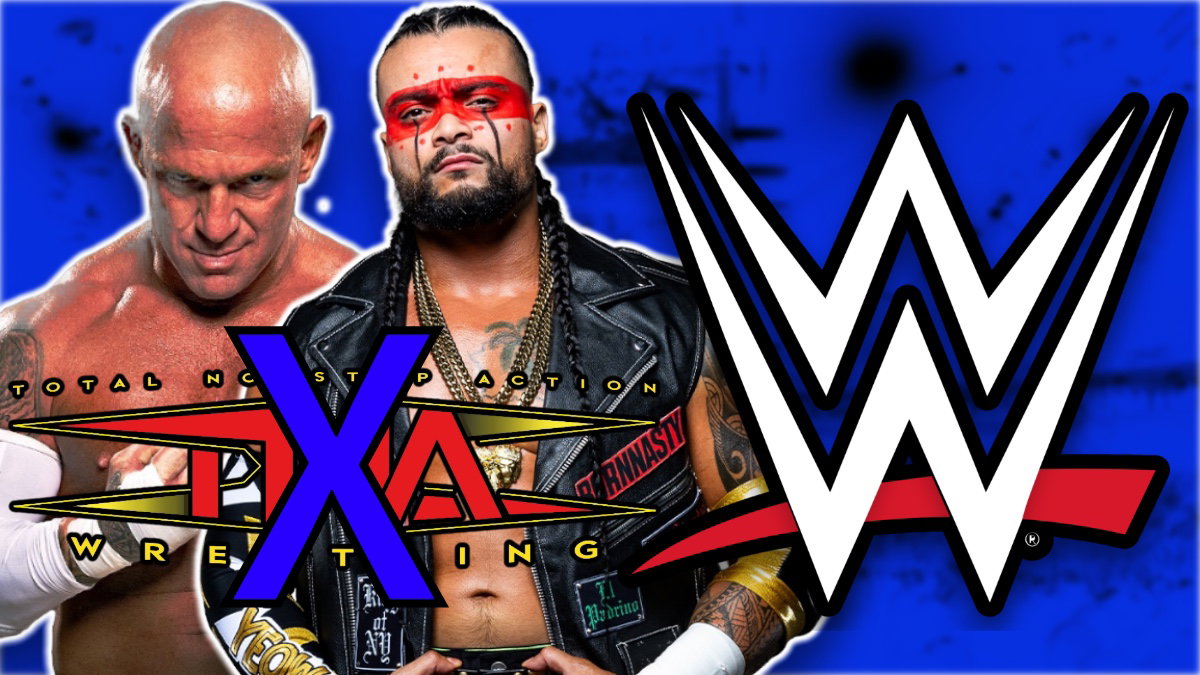
The wrestling industry exists in a state of fluid alliances. We are seeing major promotions trade talent like speculative stock. The partnership between World Wrestling Entertainment and Total Nonstop Action, once viewed as a pipedream for message board fantasists, has settled into a functional reality.
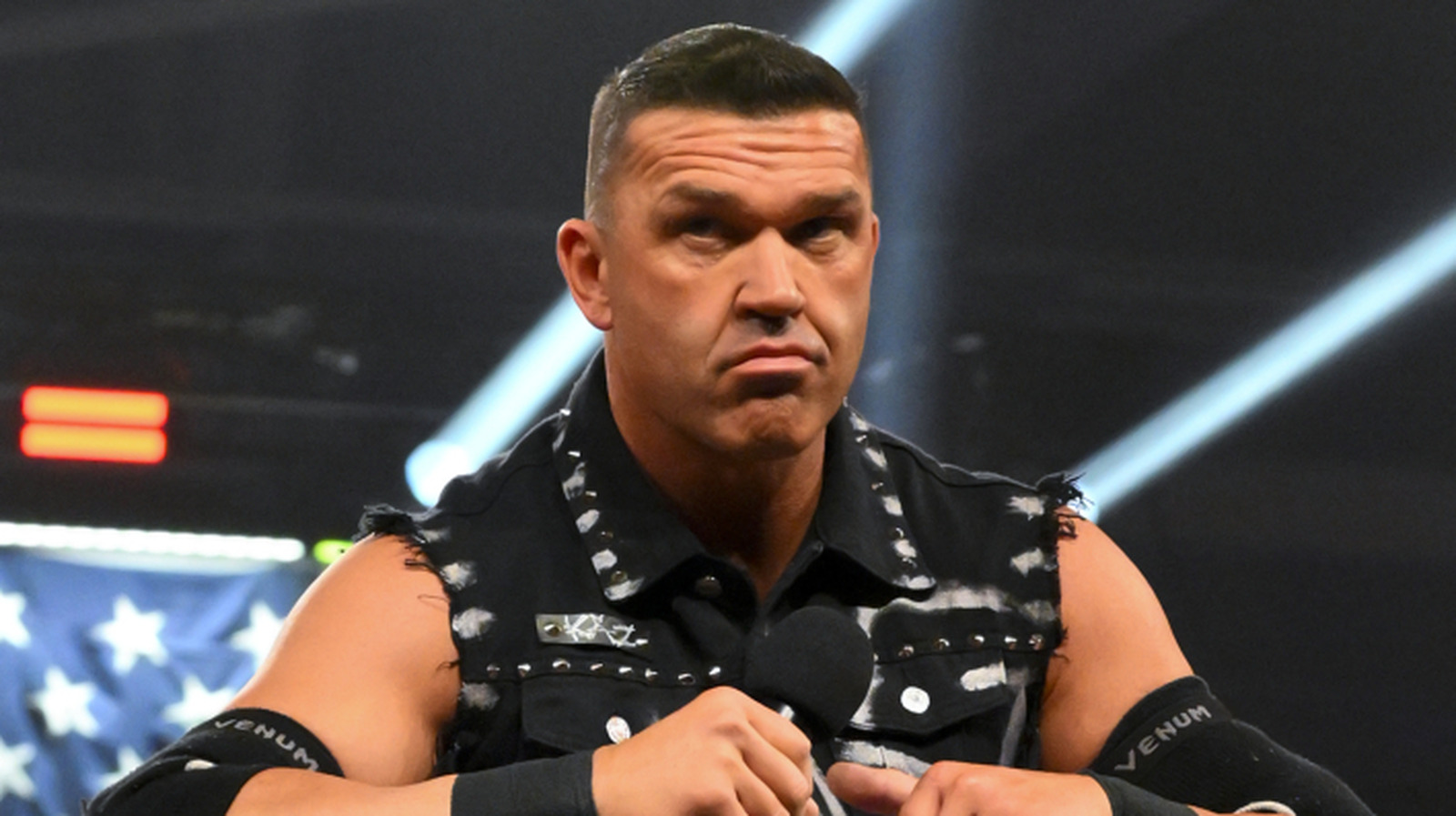
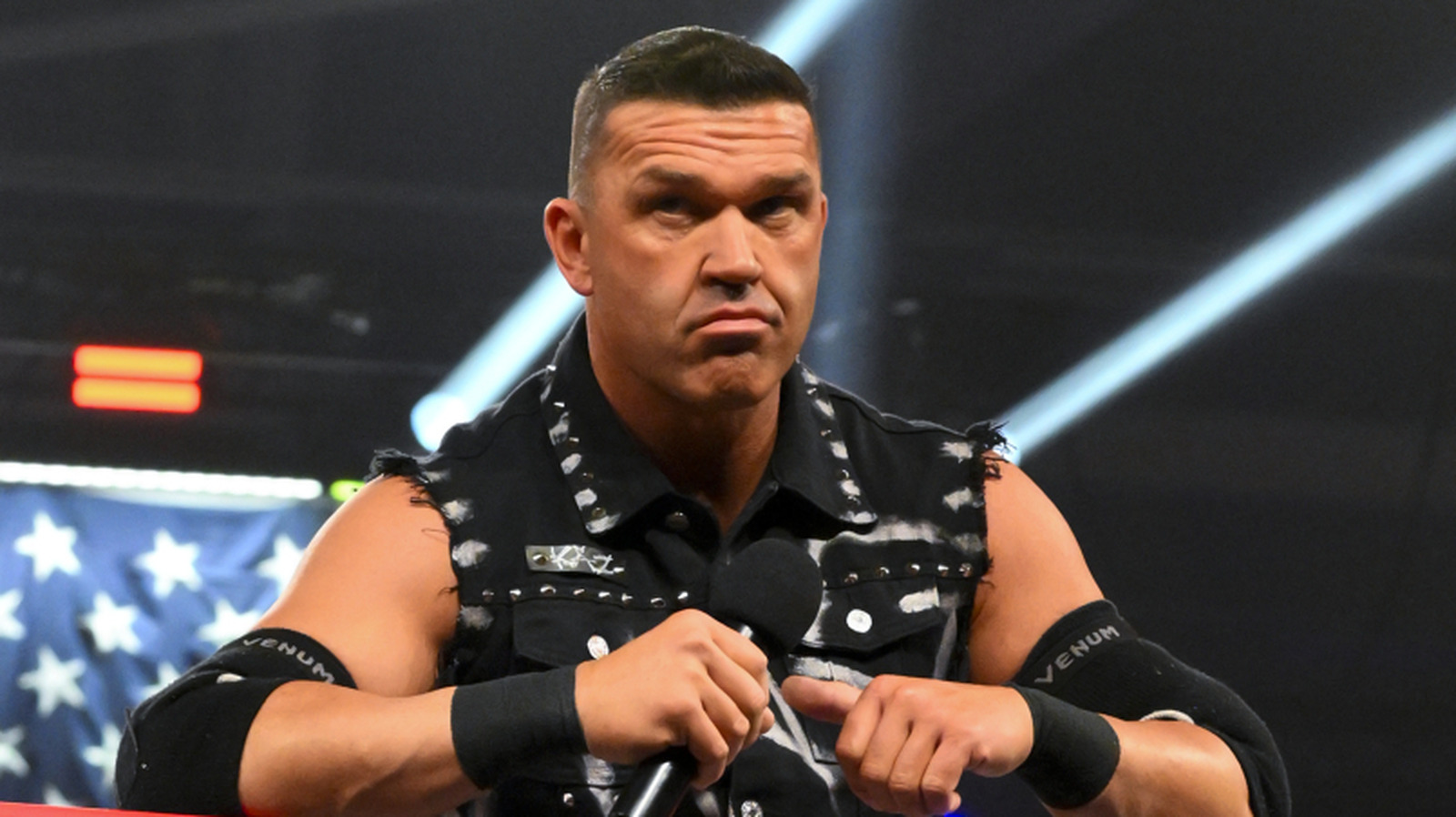
Frankie Kazarian, a veteran whose tenure spans the evolution of modern independent wrestling, recently spoke on the arrangement. His perspective carries weight because he understands the mechanics of both sides. He noted the strategic value of NXT serving not just as a developmental ground, but as a crucible for established talent to test their fundamentals against a new set of eyes.
When you watch the tape of recent crossovers, the differences in cadence are obvious. WWE performers lean on television-ready pacing and explosive high-spot sequences. TNA talent, conversely, often favors a more grounded, psychology-heavy approach that rewards sustained limb work. Kazarian is a master of the latter, often executing a seamless transition from a standing transition into his signature Fade to Black neckbreaker.
The AJ Styles shadow
The conversation inevitably drifts toward the legacy left by those who walked this path before. AJ Styles defined the ethos of the X-Division before becoming a staple of top-tier global wrestling. His retirement marks a clear demarcation line between eras.
For younger athletes currently rotating between the Performance Center and the TNA Impact Zone, the standard set by Styles is a heavy burden. They are not just wrestling; they are defending a reputation built by the generation that prioritized the craft over the spectacle. The pressure to synthesize these two distinct styles is constant.
However, the booking hasn't been without its friction. We have seen instances where the transition between platforms feels disjointed. A wrestler might commit to a specific character arc on one show, only to find themselves running in a completely different program across town six days later. This lack of narrative continuity can frustrate the viewer who follows the minutiae of the card.
What to expect at the next crossover
Looking ahead, the focus must remain on the ring action. We want cleaner handoffs between segments and less stuttering in the flow of the storylines. The partnership works best when it allows for fresh matchups that would otherwise be locked behind inter-promotional boundaries.
The integration of NXT talent into the TNA structure brings a different intensity to the mid-card. Expect more technical focus in the upcoming weeks. If the trend continues to favor high-octane sequences over foundational wrestling, we risk seeing the unique character of TNA get diluted into a secondary version of what happens on Tuesday nights.
As Frankie Kazarian noted recently, there is a certain rhythm to these crossovers that requires patience to master. If they can tighten up the booking logic, this could revitalize the depth charts for both companies. If they continue to treat the talent exchange as a series of random cameos, it will eventually lose its luster.
Predictions? My money is on a messy, high-energy main event for the next crossover show. I suspect we see a classic veteran versus protégé dynamic, likely ending in a controversial count-out or an interference-led finish, given the 50% win-loss record of cross-promotional matches so far this year. They are keeping the stakes low until they figure out the long-term ROI. Watch for the mid-card matches to tell the real story of the partnership's success.