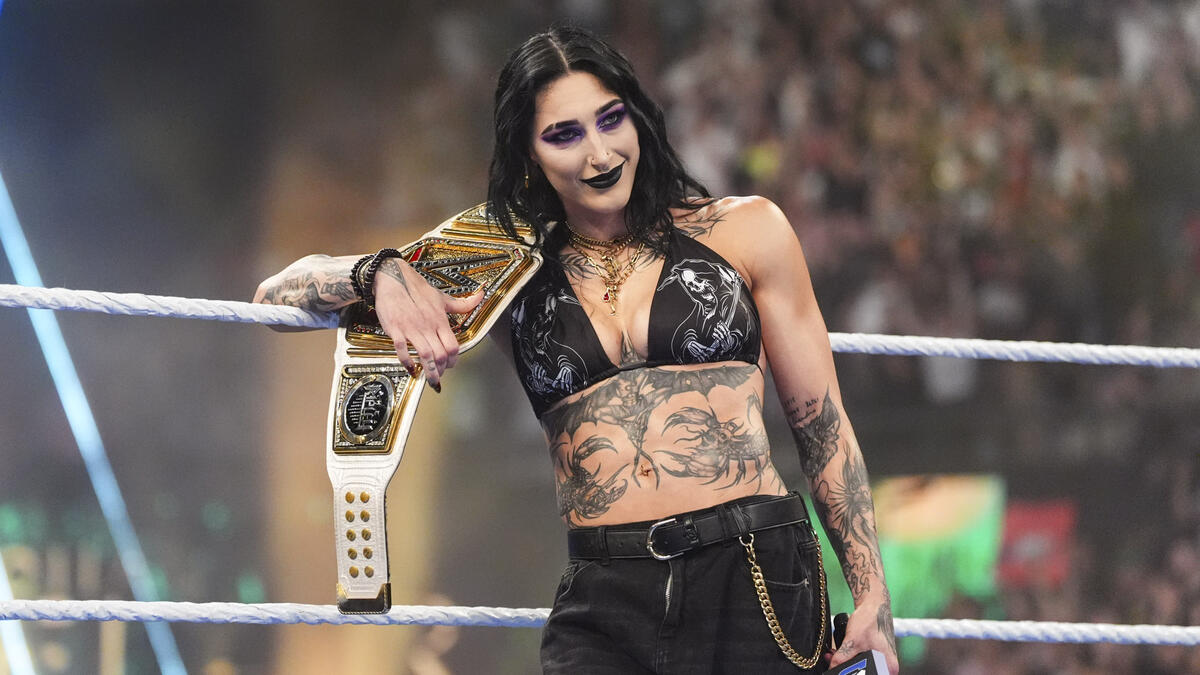
The toxic cost of Rhea Ripley's climb to the top
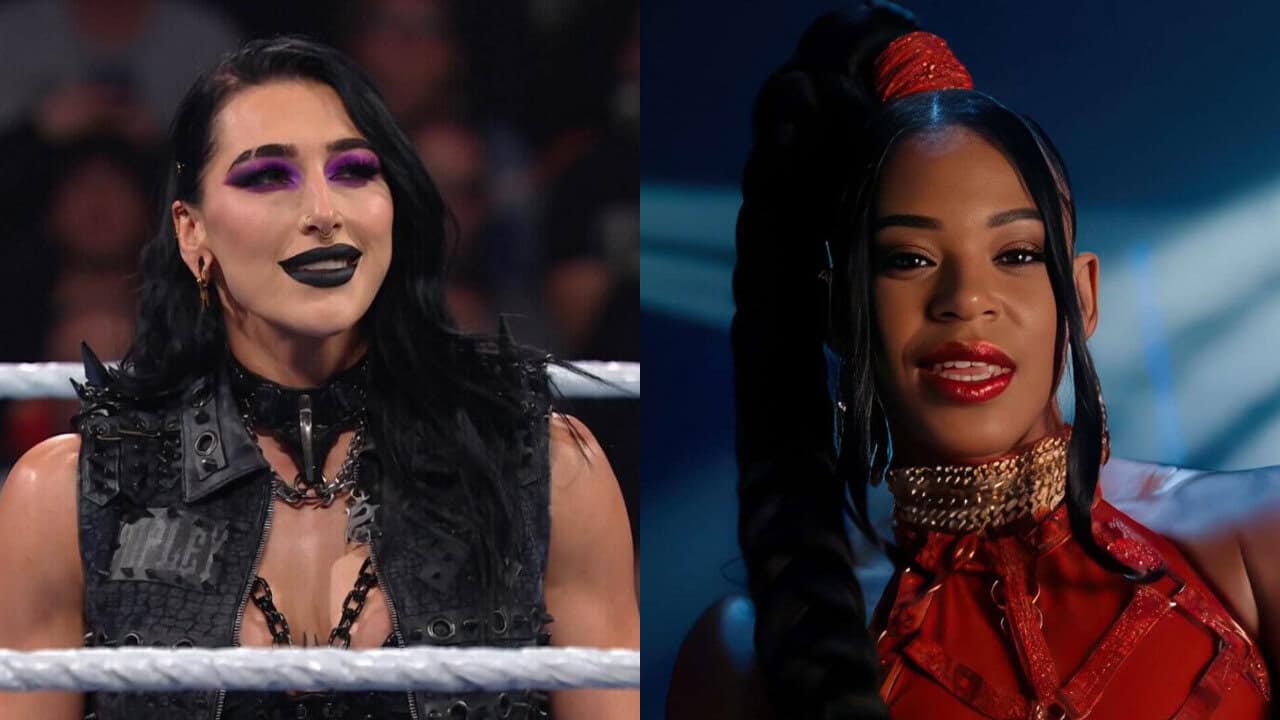
The double-edged sword of modern wrestling fandom
Rhea Ripley sits atop a mountain of her own creation, yet the view from the top is marred by a persistent, background noise of digital vitriol. In the lead-up to WrestleMania 41, the focus should be purely competitive. Instead, Ripley is forced to navigate an online environment that views her character work as a personal affront. This is not simply standard heel-heat. It is a calculated degradation of a performer who has consistently delivered in every segment she occupies.
Ripley has gone on record to address the reality of her personal battles, including her history with eating disorders. When a performer expresses such vulnerability, the industry should recognize the human behind the character. Instead, large swaths of the audience use her public profile to justify abusive behavior. It creates a perverse disconnect where the lines between Kayfabe and harassment are blurred beyond recognition.
The moral bankruptcy of the heel excuse
There is a dangerous trend emerging among certain segments of the internet wrestling community. Fans are masking genuine toxicity behind the shield of being a heel, or supporting one. Ripley has rightly blasted this behavior, identifying it for exactly what it is: a mask for bad-faith interactions. Disliking a character is part of the game. Targeting a performer's physical health or mental well-being because you prefer a different outcome is a failure of character, not a display of fandom.
The irony is that this negativity often lacks a cohesive strategic critique. Much of it is performative cruelty. It does not speak to her sell-rate, her ability to dictate the pacing of a match, or her capacity to elevate an opponent through effective physical storytelling. It is noise produced by people who seem to have forgotten that professional wrestling relies on the performers being healthy enough to actually perform.
Missing the missing faces
Tactically, the women's division feels smaller without Bianca Belair. Even Ripley has acknowledged this, noting that she misses her rival. The absence of a high-ceiling worker like Belair alters the geometry of the entire card. It changes who is available for high-leverage spots on a show like WrestleMania 41. Without that primary counter-balance, the division risks stagnation. It makes Ripley’s own position feel isolated, leaving her to carry a disproportionate amount of the narrative weight.
One might criticize the booking depth that allows a void like that to persist for so long. When your primary stars are either injured or being subjected to constant, illogical social media harassment, the internal structure of the promotion suffers. The lack of secondary, credible threats to Ripley creates a predictable loop. It forces her to work harder to maintain the same levels of tension we saw earlier in the year.
The math is simple: if you burn out your top talent through a combination of physical demand and relentless, toxic negative feedback, the product suffers. We are moving toward a period where the talent is increasingly tired of the discourse. If the industry does not self-correct, we risk losing more than just a few good matches. We risk alienating the very performers who define the current era.
The 80 percent of the discourse that is toxic does nothing for the product. It adds zero value to the matches on Night 1 or Night 2 of WrestleMania. It creates a barrier between the performer and the audience. If this trend continues, the industry might find that its most valuable voices choose to opt-out entirely rather than endure the persistent, irrational vitriol being thrown their way every single night.
Read Next
- Jade Cargill is playing with fire and nobody is telling her
- Jade Cargill is playing a dangerous game with her WWE positioning
- Nick Khan doesn't care about your tweets and honestly it's kind of refreshing
- WrestleMania 41 might finally deliver the surprise signing the Rumble missed
- 🏆 WrestleMania 41 — Full Coverage Hub
WWE Authentic Wear Roman Reigns Bloodline T-Shirt
Acknowledge your Tribal Chief with the official Bloodline tee.
More Coverage

Top 10: Definitive WWE Moments of the Modern Era
40 minutes ago
Why Triple H's creative control is a double-edged sword for WWE
41 minutes ago
Triple H's NBA main event pitch proves WWE is prioritizing spectacle over story
41 minutes ago
Bruce Prichard's NXT call-up strategy is a massive gamble
42 minutes ago
WWE’s cold feet on Bron Breakker shows they still fear the crowd
55 minutes ago
WWE is sacrificing the midcard for Detroit spectacle
55 minutes agoMore Analysis
The nightmare of modern fandom is hitting the squared circle
1 month ago
Rhea Ripley is done with the misery scrolling
3 months agoStalking is not fandom and some of you need to get a grip
1 month ago
Jade Cargill and the bizarre boundary of modern wrestling fandom
2 months, 4 weeks ago