
WWE is sacrificing the midcard for Detroit spectacle

The Detroit output and the cost of spectacle
The broadcast from Little Caesars Arena on July 20, 2026, felt like a production designed to appease shareholders rather than wrestling purists. While the energy inside the venue remained high, the pacing suffered under the weight of the post-Saturday Night’s Main Event hangover. We saw high-impact sequences buried by aggressive commercial interruptions that killed the momentum of the opening tag team bout.
Technical proficiency alone cannot carry a three-hour window. The reliance on cinematic vignettes during the second hour effectively silenced the live crowd, creating a detachment between the in-ring work and the viewing experience. It was a clear prioritization of digital engagement metrics over the steady rhythm of a professional wrestling show.
Midcard stagnation in a post-SNME world
The aftermath of weekend specials often leaves the Monday roster looking thin, but this edition highlighted a deeper issue with booking priorities. Wrestlers tasked with filling the middle segments lacked the narrative stakes required to keep the audience invested. When every segment is treated as a major beat, those beats lose their resonance.
The lack of clear creative direction for the secondary titles was evident. Without a consistent build, sequences like the back-and-forth suicide dives seen in the middle block feel performative. We are seeing a pattern where athleticism is substituted for storytelling, leaving the audience to endure filler that serves little purpose in the broader season arc.
A tactical critique of the booking
There is a dangerous trend emerging where the promotion relies on the novelty of specific event pairings to masking thin storylines. This is hardly different from the tactical restlessness we see in the Championship, where clubs bank on unproven assets to fix systemic failures. WWE is currently betting on star power alone to drive ratings, ignoring the necessity of a layered midcard.
Flaws appeared regarding the positioning of talent who were clearly exhausted from the previous night's heavy schedule. Their movement slowed significantly, leading to near-falls that lacked genuine belief. A veteran analyst observes these moments as the point where the illusion breaks; the wrestlers were moving through mechanical motions rather than reacting to their surroundings.
Much like the dangerous game played by front offices in Ipswich and QPR, this current booking strategy carries significant risk. If the audience begins to recognize the formula—the predictable run-ins and the reliance on heavy-hitting segments to end a segment—the engagement numbers will inevitably face a correction. WWE has the capacity for precision, yet they continue to choose the path of least resistance.
Ultimately, the performance in Detroit was an example of quantity over quality. We deserve tighter storytelling that respects the intelligence of the viewer. Until the creative team stops treating the midcard as mere interstitial space between the opening and closing segments, the shows will continue to feel disjointed. The demand is there, but the execution remains flawed.
Everlast 70lb Heavy Bag (Starter Pro Pack)
Train like a superstar and get your cardio in with some stress relief.
Frequently Asked Questions
Where and when did WWE hold its broadcast in Detroit?
Why did the live crowd in Detroit get silenced during the show?
What creative issues affected WWE's midcard during the Detroit broadcast?
How did wrestler fatigue affect the matches during the Detroit event?
What risk does WWE face by relying on star power over midcard booking?
More Coverage
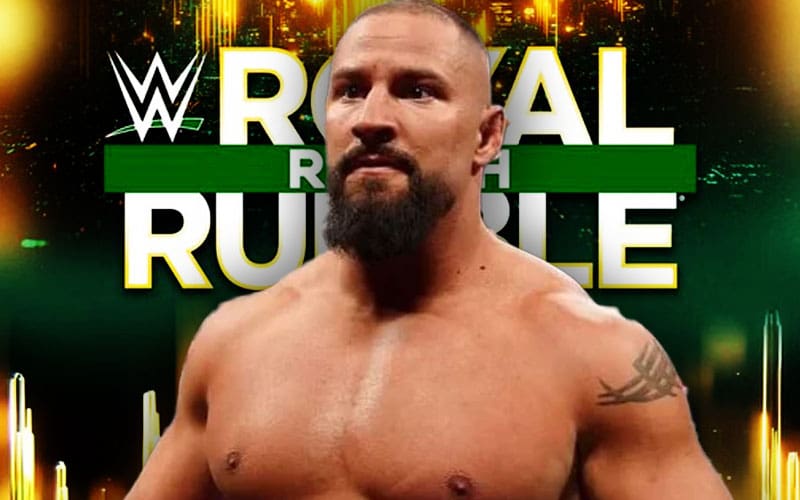
WWE’s cold feet on Bron Breakker shows they still fear the crowd
2 hours ago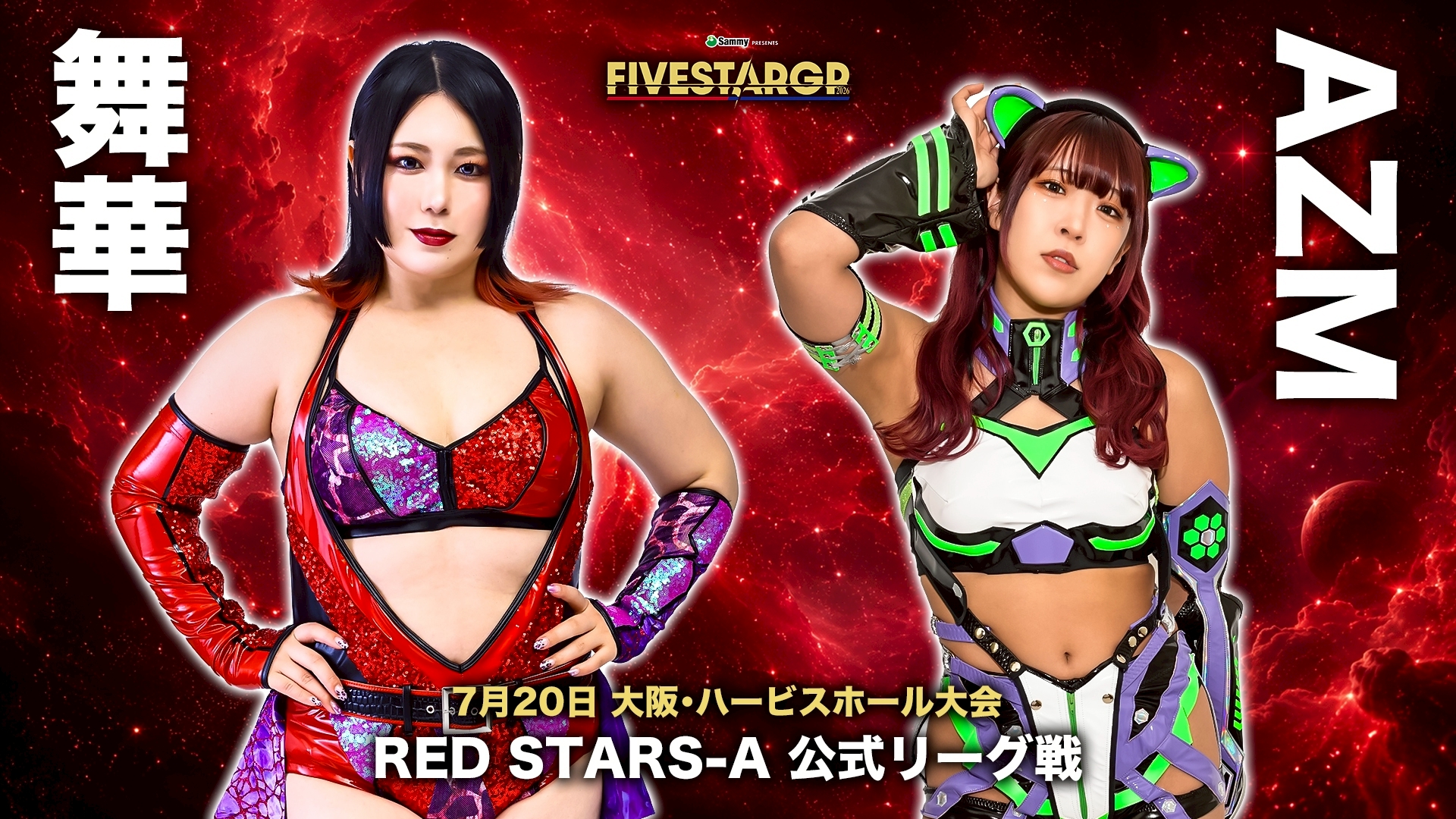
Is Maika on the verge of a surprise WWE international pivot?
3 hours ago
Top 10: Wrestling Stars Defining the Current Cycle
3 hours ago
Why the locker room friction between athletes and lifers is hitting a boiling point
3 hours ago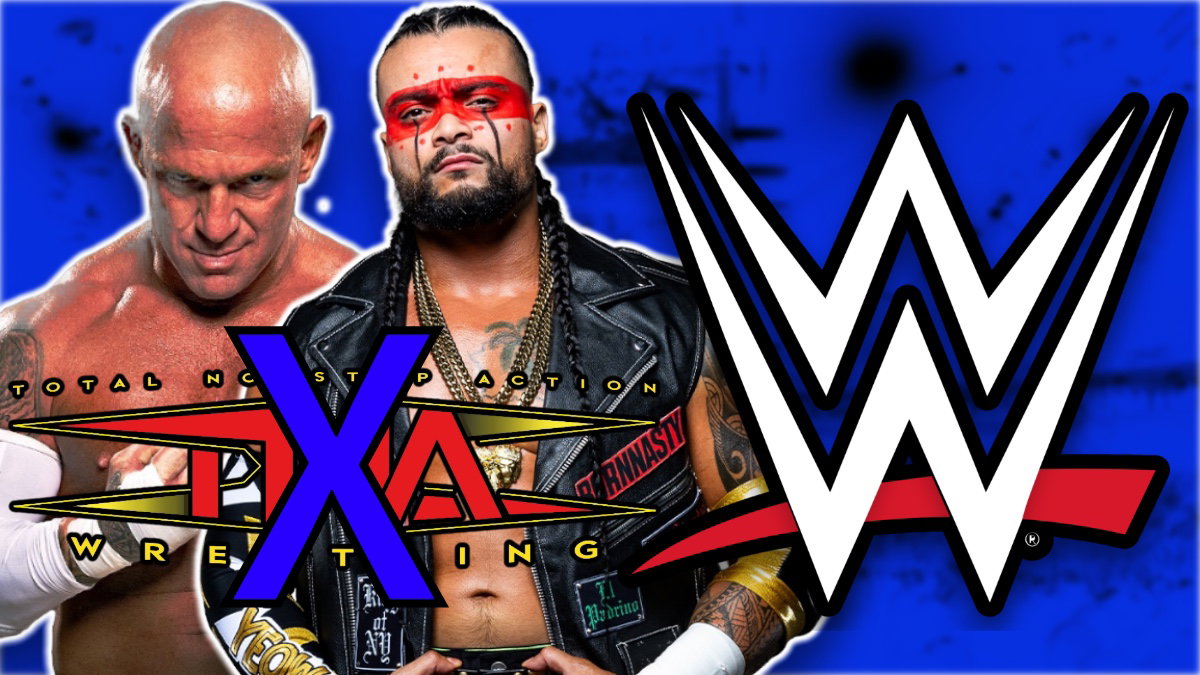
Why the TNA-to-WWE pipeline is actually a strategic pivot
3 hours ago
CM Punk's title reign is a tactical void in the WWE main event
3 hours agoMore Analysis
WWE’s cold feet on Bron Breakker shows they still fear the crowd
2 hours ago
Is Maika on the verge of a surprise WWE international pivot?
3 hours ago
Top 10: Wrestling Stars Defining the Current Cycle
3 hours ago
Why the TNA-to-WWE pipeline is driving everyone crazy
3 hours ago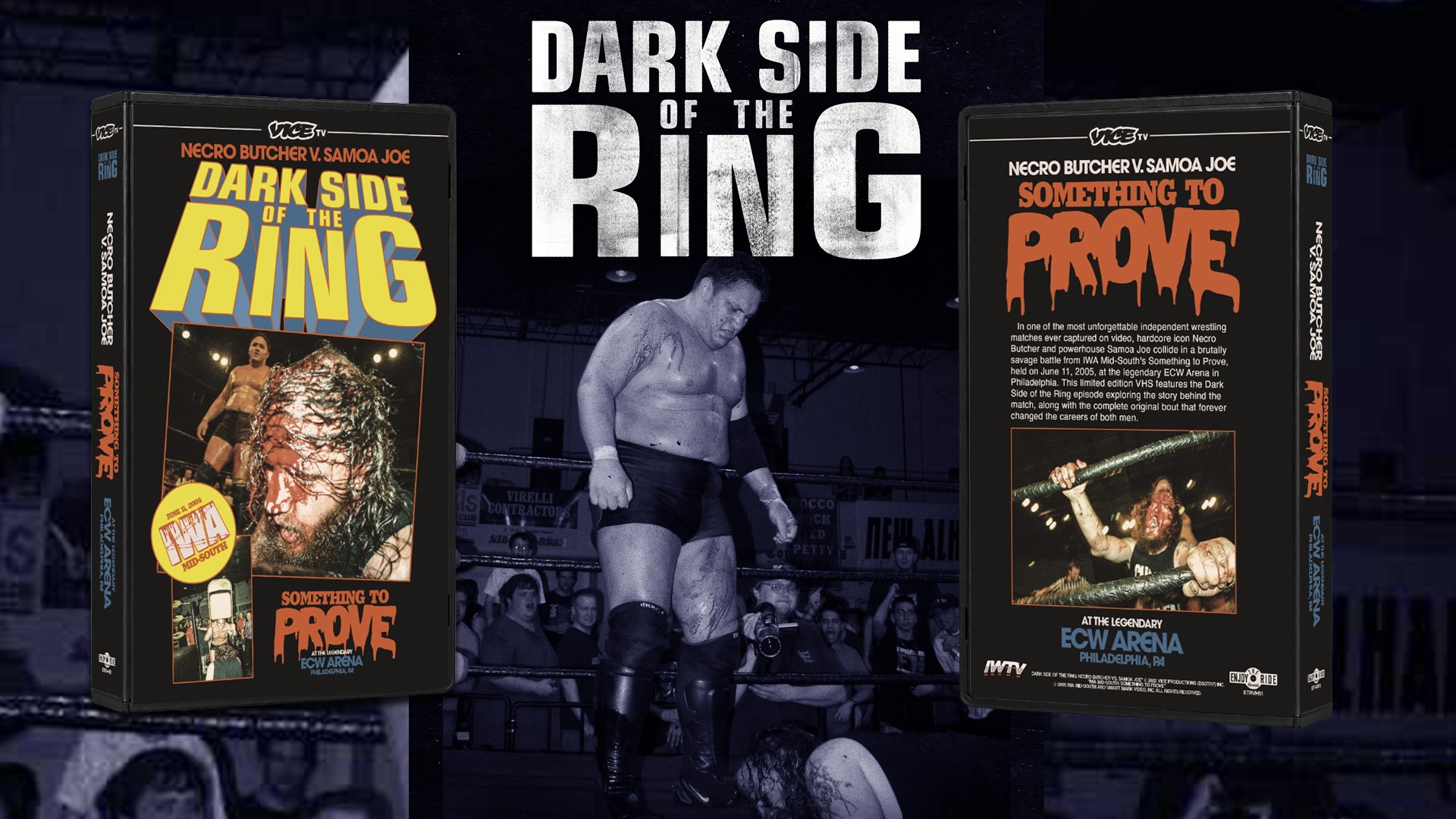
Why Dark Side of the Ring is chasing ghosts instead of history
3 hours ago