
TNA is hitting the same roadblock it has faced for two decades
The talent drain is a structural failure
The latest cycle of TNA performers angling for exits to WWE or AEW is not a surprise. It is a repeatable phenomenon that highlights why, despite occasional creative upticks, the promotion struggles to maintain its standing in the wrestling industry. When reports emerge regarding a major talent preparing to field offers from the industry leaders, it signals a deeper issue in how the brand creates value.
History repeats itself with rhythmic predictability. For years, the company has operated as an incubator that eventually hits a ceiling. Whether it is top-tier main eventers or mid-card workhorses, the trajectory often ends in a jump to a platform with higher reach and significantly deeper pockets.
The math of the mid-market struggle
There is a limit to the ROI on investment when the exit velocity of your top stars is this high. A talent can perform a crisp series of high-impact maneuvers, get over with a niche audience, and secure a social media buzz that lasts for 48 hours. Yet, if the company cannot retain that talent through their peak physical years, they aren't building a legacy; they are providing a resume builder for the competition.
Look at the booking patterns. Often, the television product focuses on high-spot-heavy matches that prioritize immediate gratification over long-term character arcs. While that creates a highlight-friendly product, it offers little adhesive quality to keep talent under contract when a multi-year deal with a global entity appears on the desk.
Missing the pivot toward retention
The critical flaw isn't just budget. It is the failure to distinguish the brand from the glut of other promotions currently vying for airtime. Without a unique identity beyond being a secondary destination, they are destined to remain in the same bracket they occupied during the mid-2000s.
Booking mistakes compound the problem. Inconsistency in narrative flow, combined with a lack of major sponsorship backing, means that when a performer is ready to step up, they feel the need to move on. Even if a wrestler enjoys a solid push, if the venue capacity and production value never scale, the internal desire to perform on a larger stage inevitably wins out.
Data points on the churn
The churn rate of main-event talent remains the most alarming metric for anyone tracking the promotion's long-term health. When the same patterns of contract expiration coincide with talent seeking employment elsewhere, the conclusion is simple: the internal incentive structure is broken. They are losing institutional knowledge every time a veteran departs, leaving the writing team to constantly re-establish new figures in the eyes of the casual viewer.
It is a difficult cycle to break. Without a clear path to profitability that doesn't rely on being a feeder system, the brand will keep losing the tug-of-war for the most talented athletes. Expecting a different outcome while operating with the same methodology is a strategic error that fans see every season.
Ultimately, the promotion requires a pivot that moves beyond just booking good matches. It needs a reason for established performers to choose stability over the lure of the larger stage. Until that changes, they will keep developing talent just to see them wearing someone else's merchandise come the next calendar year.
Cody Rhodes "American Nightmare" Adult Weight Belt
The ultimate signature accessory for the American Nightmare's biggest fans.
Frequently Asked Questions
Why does TNA struggle to keep its top wrestling talent?
How does booking style affect TNA's ability to retain wrestlers?
What is the primary structural issue cited in TNA's talent management?
How does TNA's lack of scale contribute to its talent drain?
What prevents TNA from moving out of its current industry bracket?
More Coverage
Top 10: Defining Wrestling Moments of the Modern Era
2 minutes ago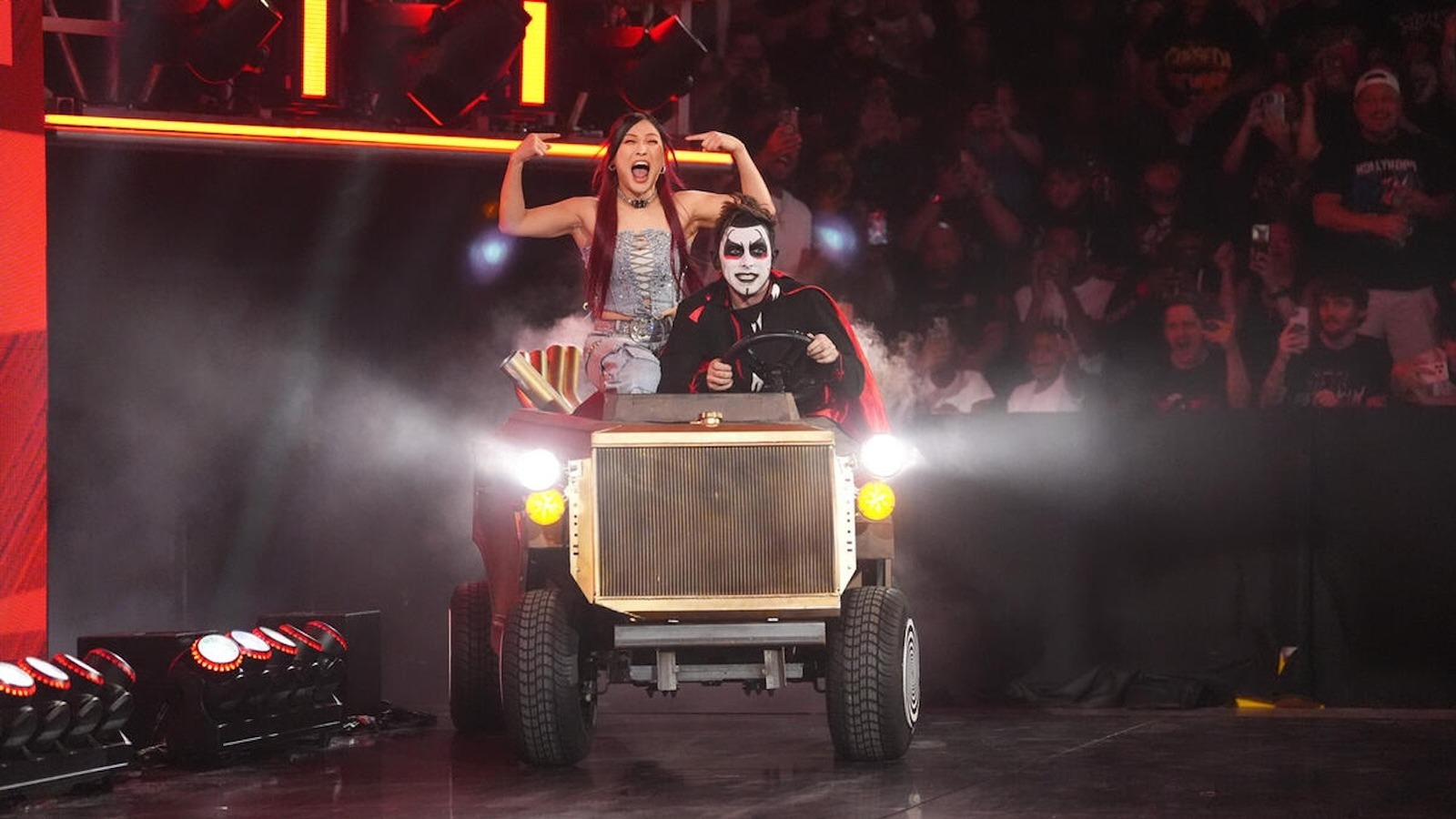
Solo Sikoa is pushing the Bloodline into a corner at SummerSlam
2 minutes agoGear, Grinds, and Grappling: A Wrestler’s Guide to Recent Pickups
an hour ago
Top 10 Money in the Bank Moments in WWE History
an hour ago
Cody Rhodes, Gunther, and the weird reality of current WWE crowds
an hour ago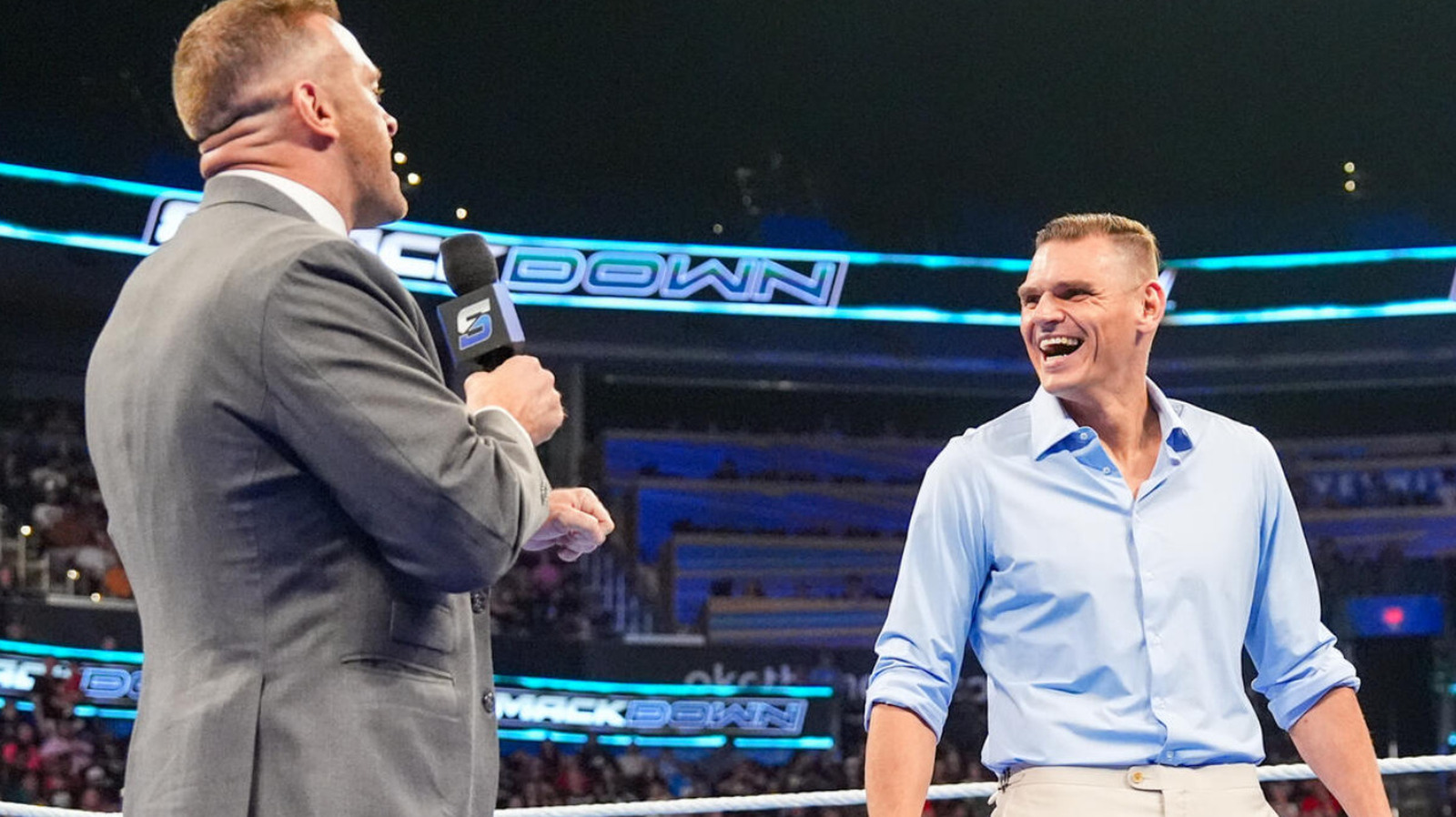
Nick Aldis is finally stepping back in the ring — but for how long?
an hour agoMore Analysis
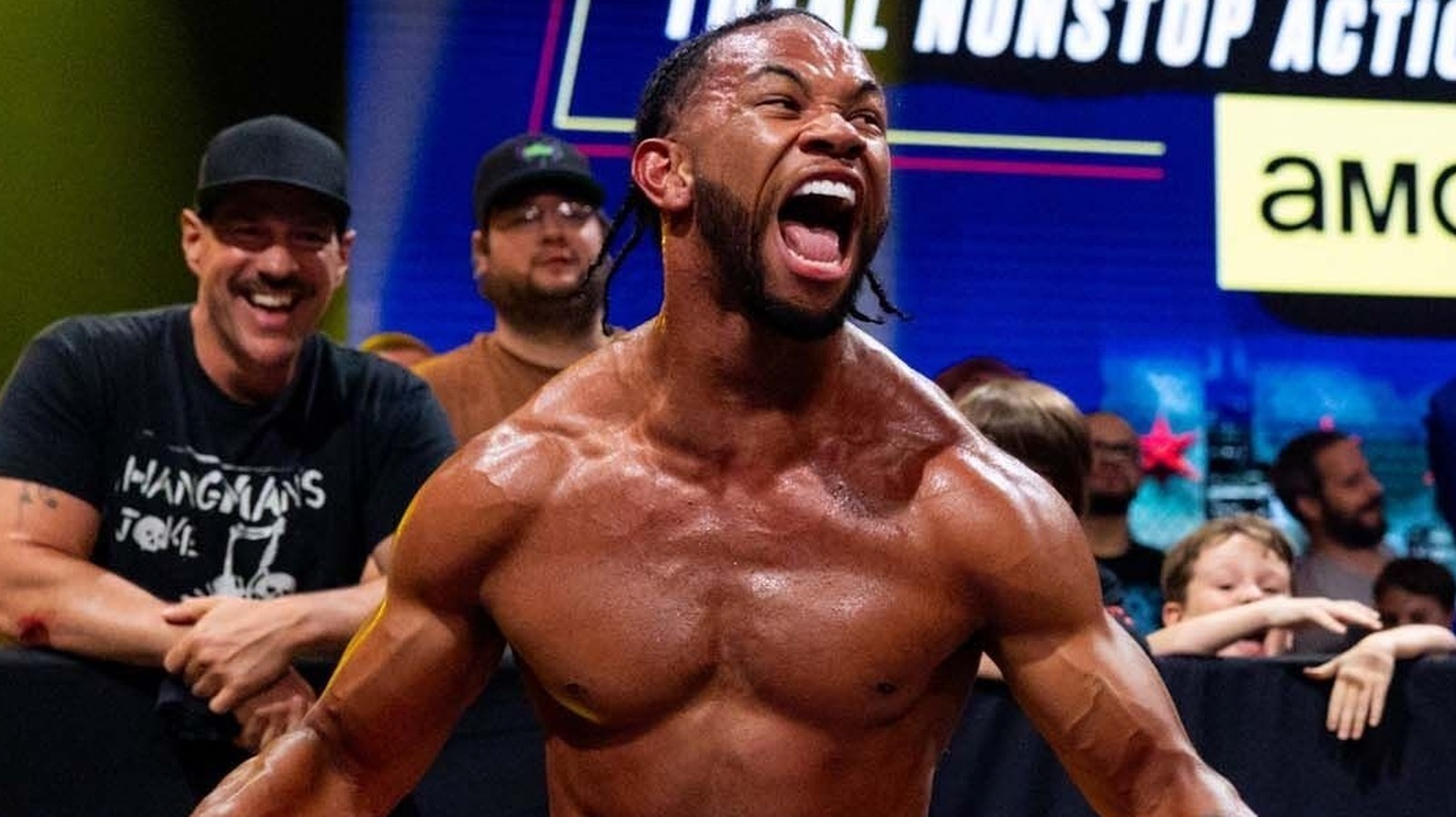
TNA is spinning its wheels while the rest of the industry accelerates
1 week, 3 days ago
TNA is staring down a massive roster dilemma
1 month, 1 week agoTNA is playing a dangerous game with its current booking patterns
1 month, 3 weeks ago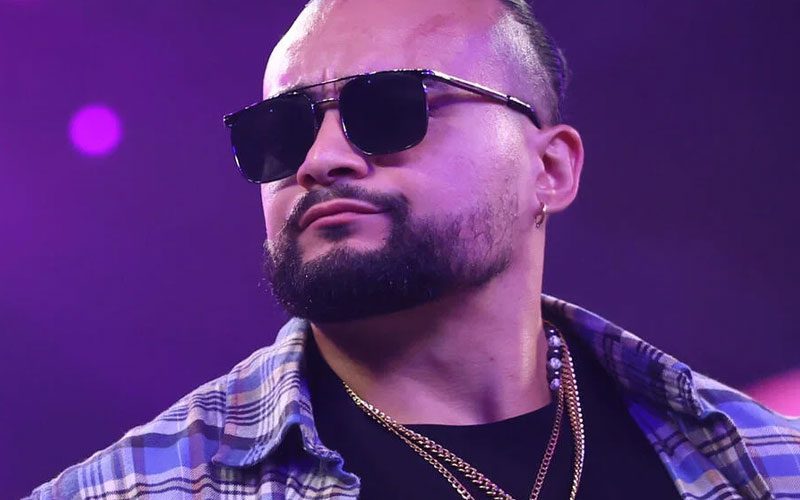
TNA is hitting a dangerous transition point
1 month ago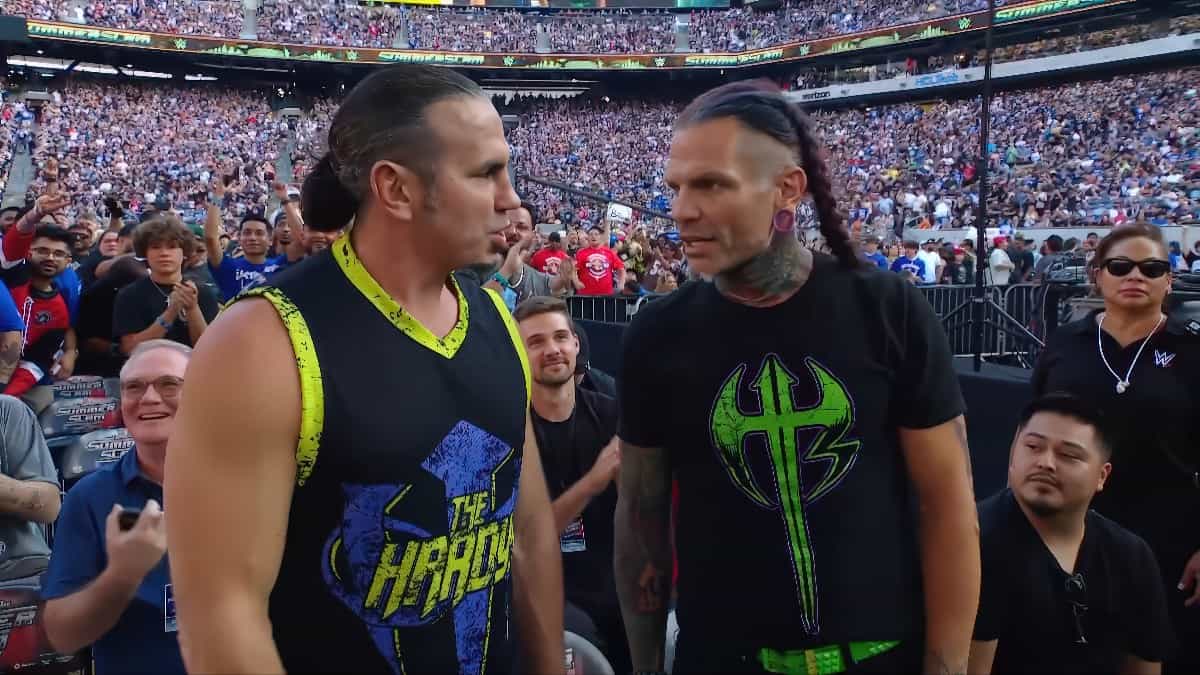
TNA is playing a dangerous game with their roster depth
3 weeks, 5 days ago