The disconnect between development and execution
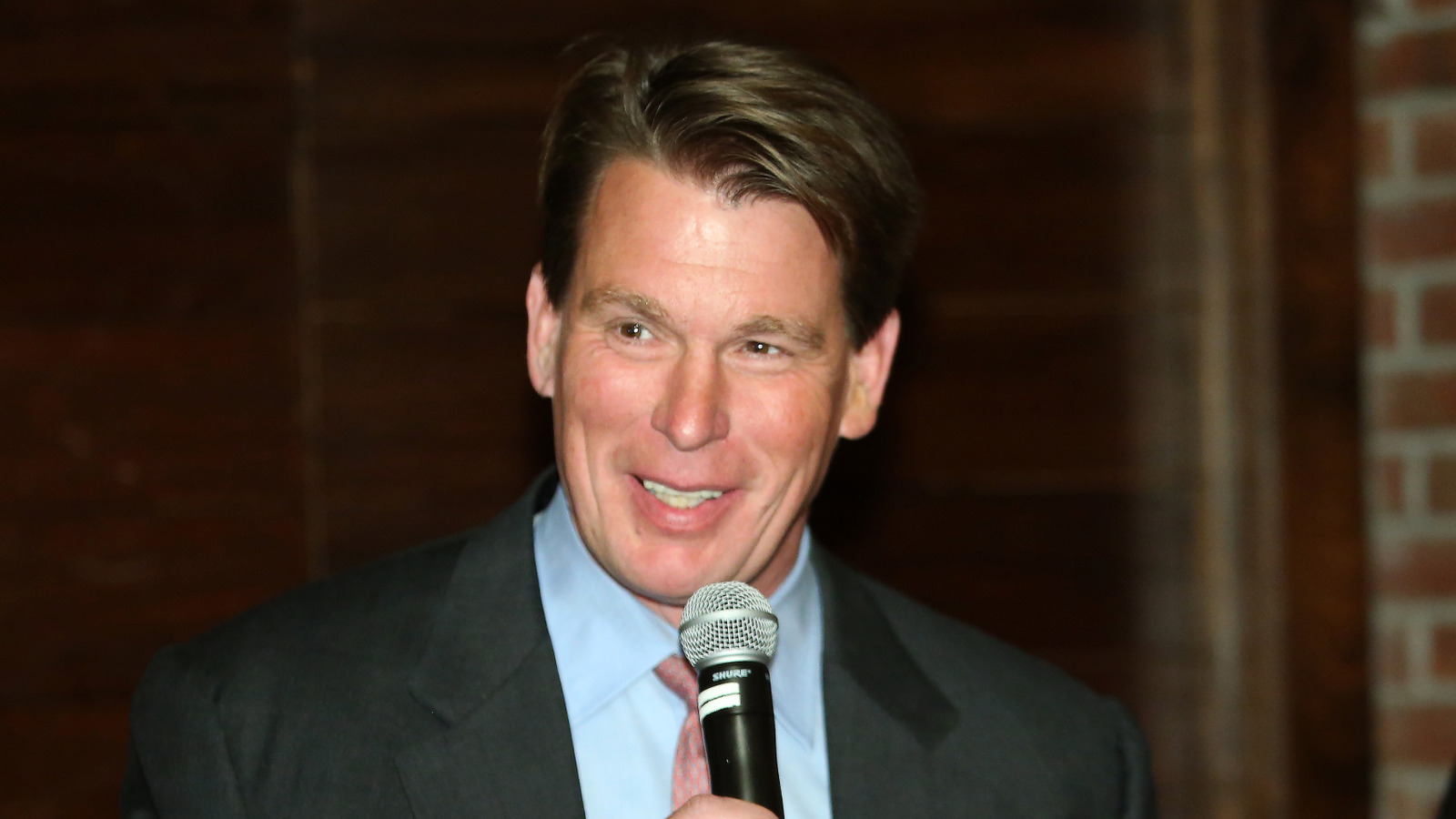
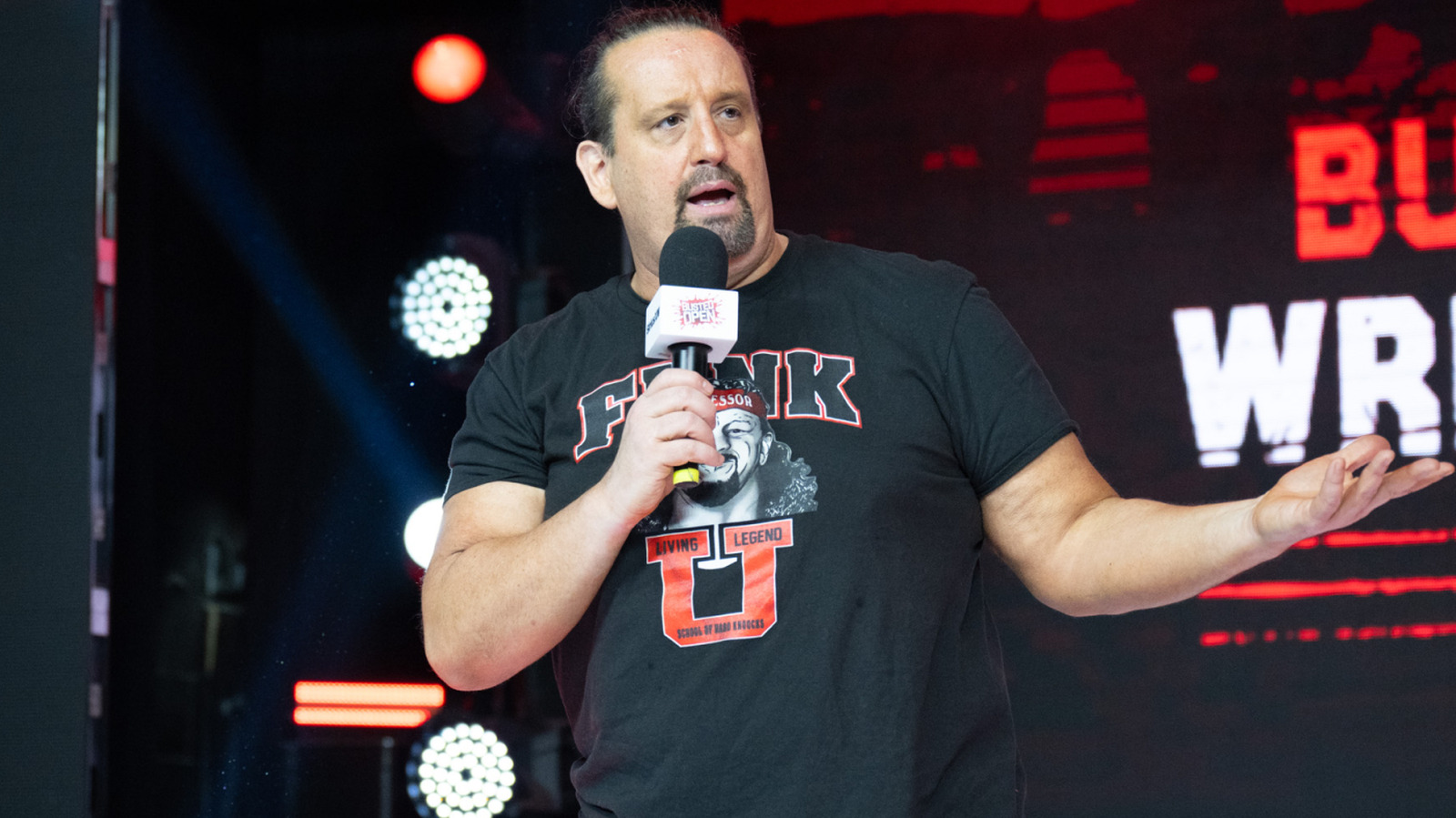
The recent departure of Tommy Dreamer from TNA Wrestling provides a necessary entry point into analyzing their current creative trajectory. Despite the company touting a roster of high-ceiling talent, their booking strategy remains fixated on dated sensibilities. Dreamer’s insistence on defending the decision to have Mike Santana lose at Slammiversary 2025 speaks to an ideological stubbornness that prevents talent from gaining actual traction.
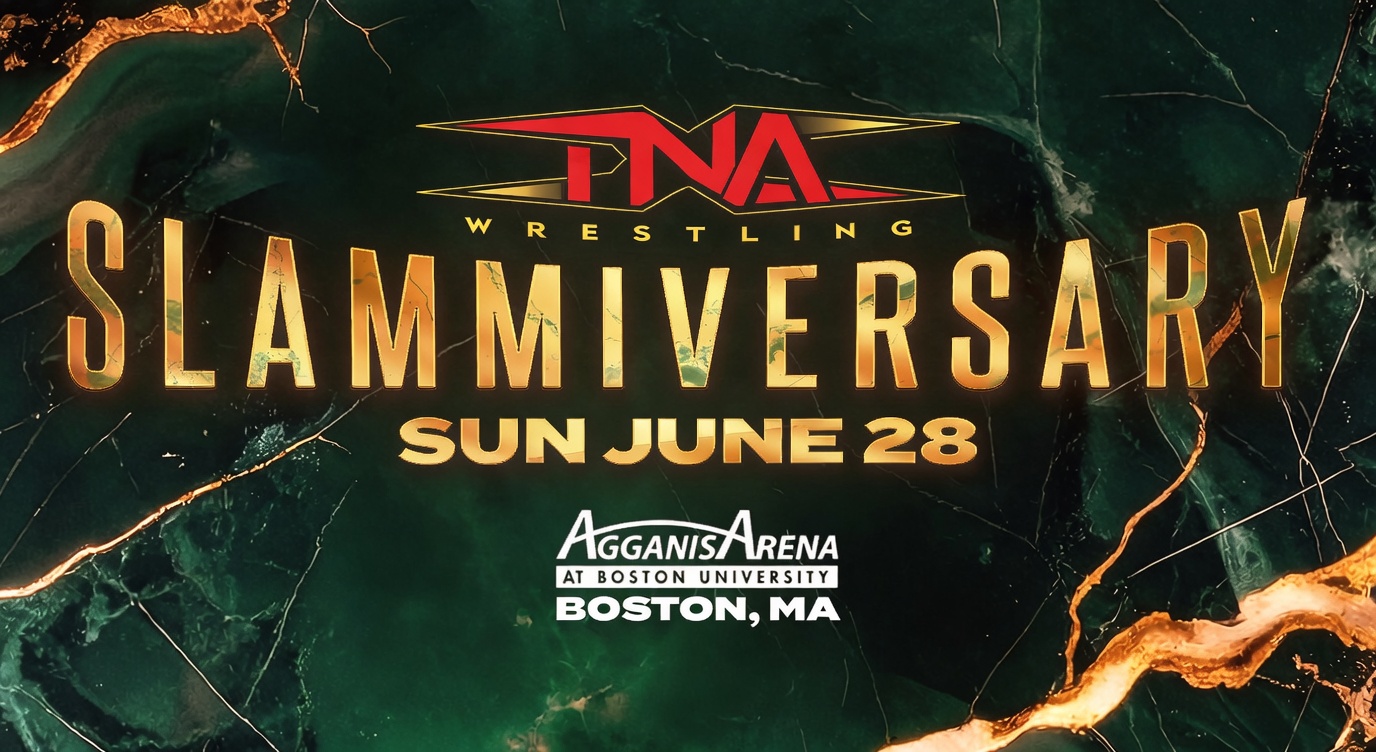
When we evaluate win-loss outcomes like the one reported by Wrestling Inc, we have to look at the opportunity cost. Santana represented a hot commodity coming into that match. Feeding him to an established veteran at a major pay-per-view doesn't build the future; it stalls the present. It creates a recurring pattern where TNA asks the audience to treat a match with gravity, only to undermine the momentum of the winner’s opponent immediately afterward.
The structural flaws in TNA's mid-card pacing
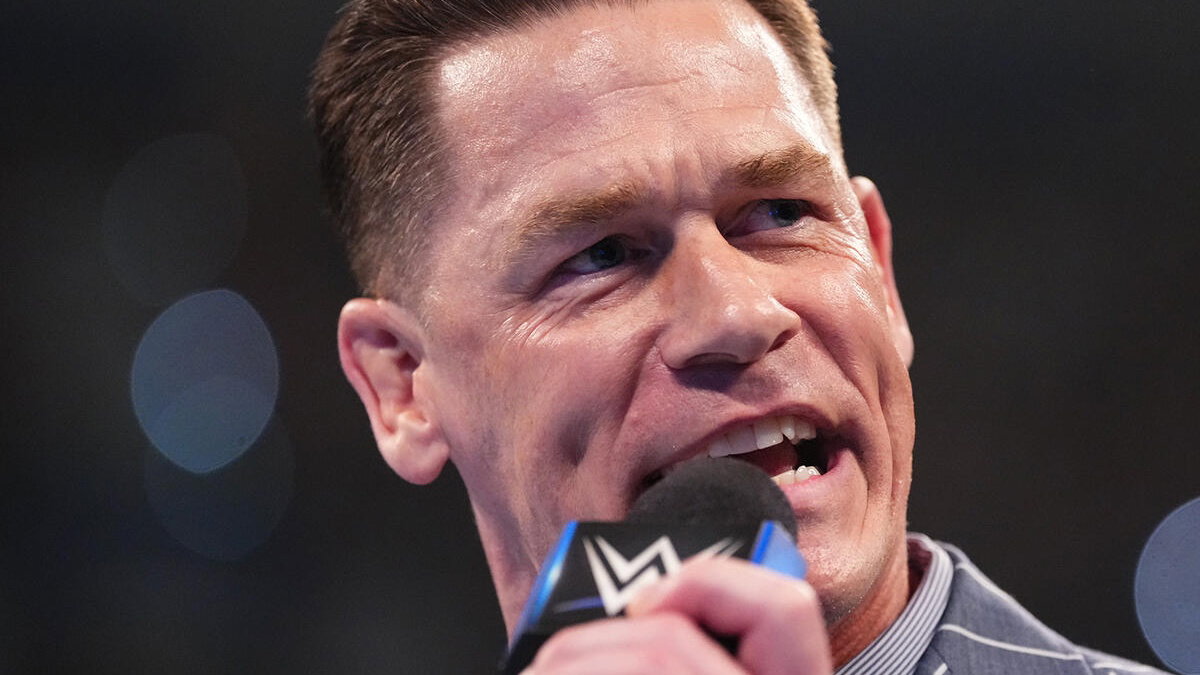
We see this trend across the board in promotions that prioritize long-term loyalty over short-term narrative escalation. As John Cena noted in his critique of WWE's own pacing struggles, the emotional payoff requires actual investment in the performer’s journey, not just a clean pinfall in the center of the ring. When you consistently halt the progress of talent like Santana in favor of "respecting the business," you aren't building a product that draws new viewers. You are running an echo chamber.
The defensive posturing after these booking decisions reminds me of how TNA handled Big E during his championship run, failing to capitalize on organic crowd heat, as highlighted by his candid reflections on his tenure. If a promotion focuses on maintaining the status quo of their veterans, they negate the work the younger roster puts into their character development. I expect the next six months for TNA to involve more of these "respect-based" losses that do nothing to push their needle forward.
Prediction for the division
TNA will continue to struggle with audience retention because they prioritize the comfort of the locker room over the narrative stakes of the championship picture. My prediction is that we will see a decline in viewership for their flagship events as they keep rotating the same veteran-heavy main events. Unless they shift the focus to elevating performers rather than protecting the reputations of agents and producers, the product will remain stagnant. The probability of them breaking out of this cycle is low.