The secondary market tells a brutal story
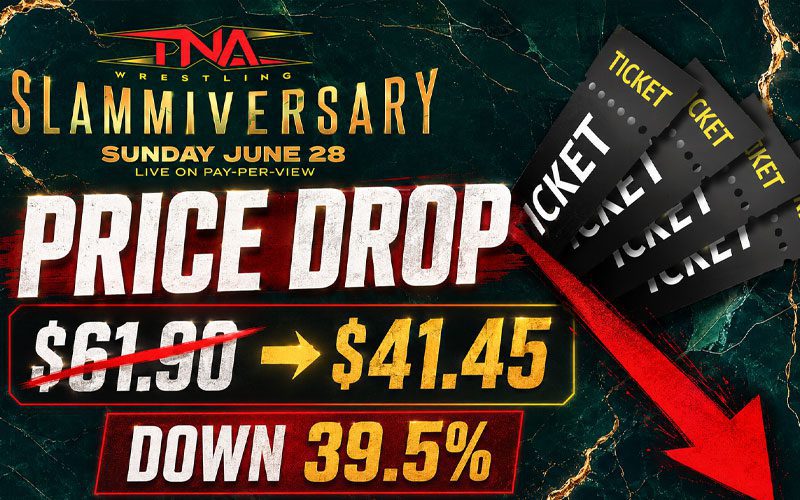
TNA Wrestling is approaching Slammiversary this Sunday with a metrics problem that should alarm anyone tracking their long-term health. Ticket prices for the Boston event have been trending downward, a signal that usually precedes a quiet arena rather than a high-octane sold-out show.
When you watch the secondary market bottom out, you are looking at more than just supply and demand. You are seeing a lack of urgency from the local consumer base. A card is only as good as the audience's willingness to invest time and money, and right now, the signal from the Boston market is defensive.
The booking disconnect
Matches are built on momentum, yet it feels like the current TNA trajectory is stalling. As Ringside News noted, the market correction on ticket prices suggests that the current creative cycle is failing to convert interest into revenue. It is a tactical failure in show promotion.
If the promotion can’t drum up excitement for one of their biggest annual tentpoles, the roster is left performing in a vacuum. Wrestlers need the pop of a hot crowd to sell the physical psychology of a bout. Without that, even a 30-minute ironman match feels like a technical drill rather than a main event.
Predicting the Slammiversary fallout
My prediction? We are headed for a show that will likely receive high marks from the hardcore base for technical work, but the optics from the hardcam side of the arena will be difficult to ignore. Expect to see significant tarping of the upper bowl and a quiet reception for the middle of the card.
TNA needs a massive narrative shift coming out of Sunday. They cannot afford another cycle of stagnancy. Unless they debut a major talent or execute a truly shocking title change to reset the stakes, the brand will continue to lose its grip on the regional markets they are trying to reclaim.
The current valuation of tickets is sitting at a 15% margin below the initial box office projections for a venue of this tier. That isn't just a slight dip; it is a clear message from the fans that the programming at the top of the card is missing the mark. They aren't buying in.
Ultimately, this Sunday will be defined by the atmosphere more than the workrate. If the attendance struggles hit the 20% empty seat threshold, the conversation around the promotion will focus entirely on ticket sales rather than the in-ring output. That is a dangerous place for any company to be.