The structural cracks in TNA's creative foundation
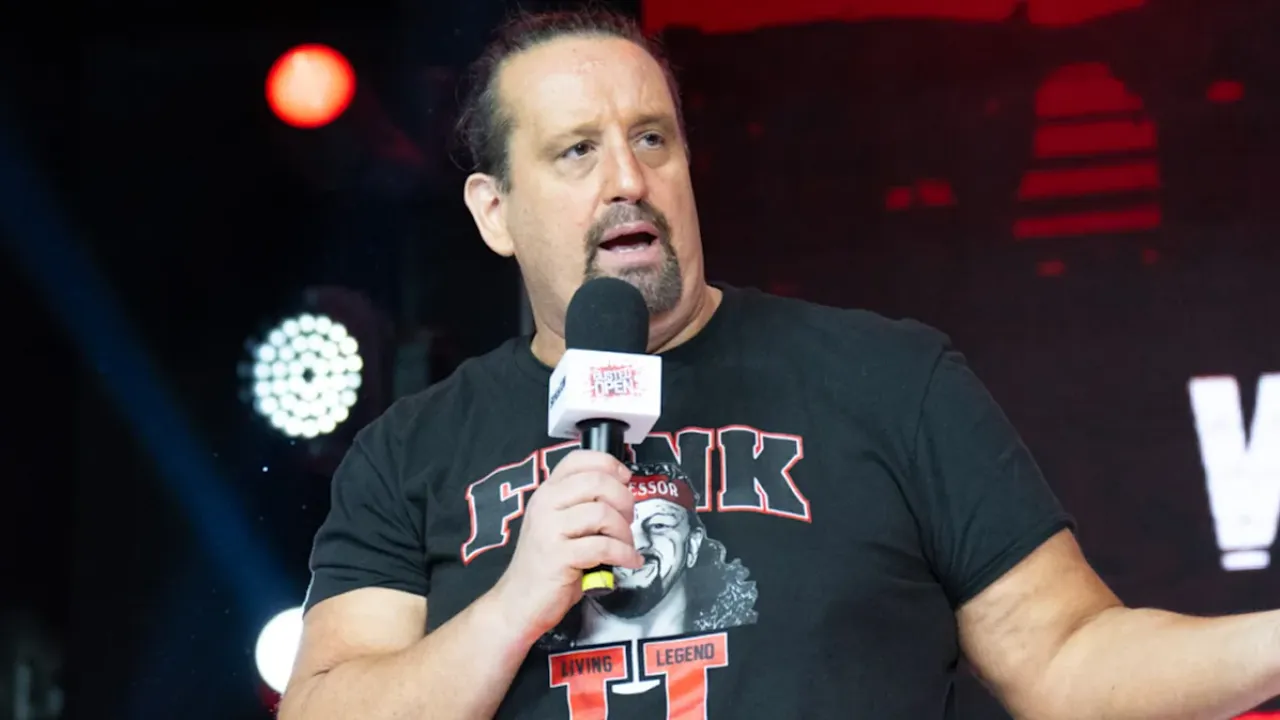
The departure of Tommy Dreamer from TNA executive duties has rippled through the promotion, leaving a vacuum that demands an immediate, calculated response. This isn't just about shuffling names on a call sheet; it is about the long-term viability of a booking style that relies on agility over massive corporate resources. When the person balancing talent relations and creative input exits, the transition period often reveals exactly how fragile the existing setup was.
Reports indicate that internal power struggles are taking root as TNA weighs its next chapter. It is a defining moment. For a brand that thrives on scrappy production values and efficient, story-driven matches, losing a central pivot figure creates a potential drift in character arcs and match quality. The recent 6/18 tapings highlighted this tension perfectly, showcasing a blend of legacy stars like The Broken Hardys and evolving dynamics like the pairing of Mike Santana and KC Navarro.
The Santana-Navarro experiment
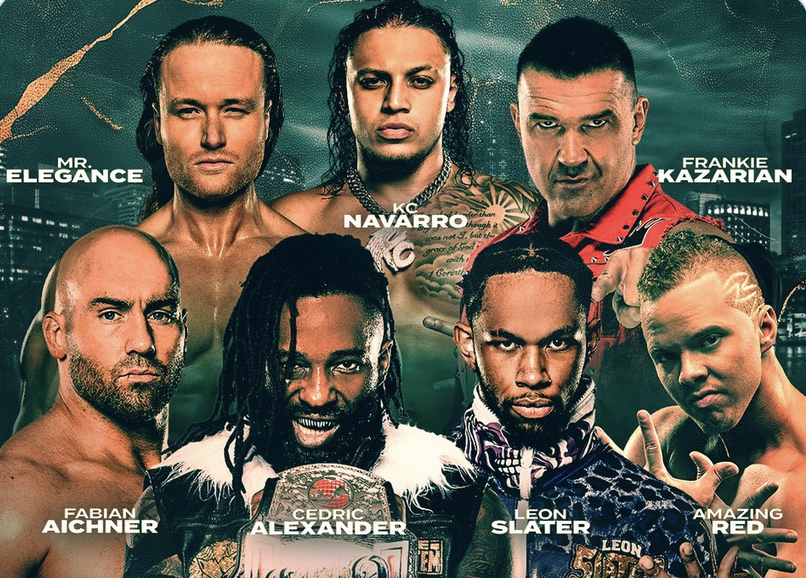
Teaming Mike Santana with KC Navarro is a deliberate signal to the audience that management is prioritizing fresh talent. Santana brings the hard-hitting, street-style credibility needed to anchor a match, while Navarro fits the profile of a budding prospect who needs that specific rub to elevate his station within the promotion. It is a standard tactical maneuver to ground young talent with veterans, but it needs consistent execution to pay off in viewership growth.
However, the promotion should be wary of over-relying on nostalgia to fill airtime. While the Moose versus The System rivalry offers a high-floor baseline for the main event, the reliance on established acts to paper over creative dry spells is a short-term fix. Kazarian setting up an Ultimate X match is a classic TNA trope for a reason: it works to energize the fan base, but only if the roster depth supports the spectacle.
Reframing the competitive field
The wider industry environment has grown increasingly volatile. We saw House of Glory break from Triller TV following their Inferno event in Chicago, signaling that smaller promotions are actively reconsidering their distribution pathways. This type of aggressive pivot is necessary when the current model fails to generate the required revenue, but TNA does not have the luxury of such massive structural shakeups while their front office is currently experiencing high turnover.
One clear negative observed in the latest booking cycles is the lack of a defined, long-term cohesive path for the mid-card. The Sosa versus Draper rivalry is technically sound, but it lacks the narrative urgency to make viewers care about the outcome past the ring bell. If I am the creative lead, that is the first problem I solve.
Prediction: TNA will likely appoint an interim creative consensus within 30 days to stabilize the product. While this temporary patch will keep the shows running, the lack of a single, authoritative voice will result in a slight dip in narrative consistency through the next pay-per-view cycle. There is too much friction in the office right now to expect a clean transition.
Read Next