Measuring the efficiency of global crossover booking
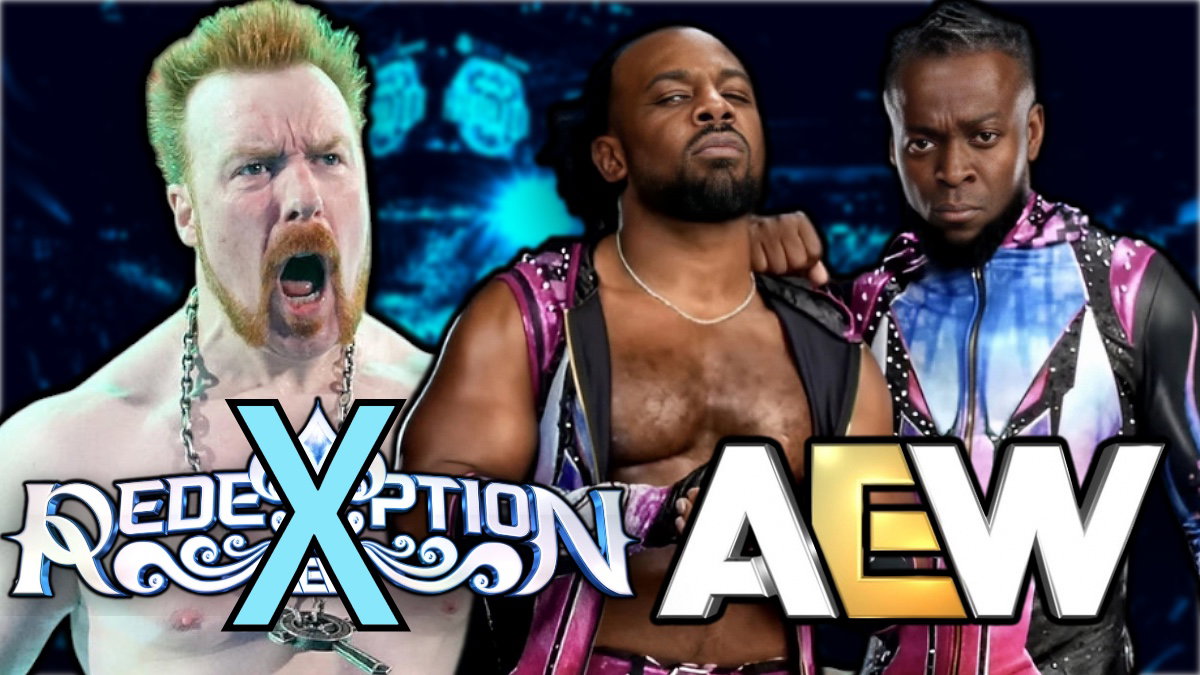
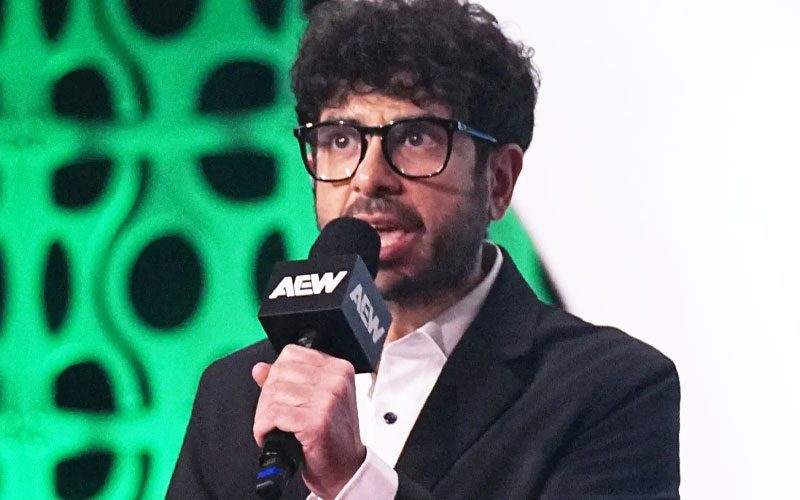
AEW possesses one of the deepest rosters in professional wrestling, yet their tag team division currently lacks the high-stakes momentum that defined their 2021-2022 run. Tony Khan is reportedly weighing a global tournament to invite external promotions into the fold. This strategy serves a singular purpose: re-establishing division heat through sheer volume of combinations.
The decline in tag team main event frequency
In the calendar year 2023, tag team matches headlined AEW Dynamite or Collision on 14 separate occasions. By mid-July 2026, that figure has dipped to just 4 occurrences across 29 weeks of programming. The statistical reliance on singles-focused storytelling has inadvertently marginalized the division.
By importing teams from international partners, Khan is effectively attempting to crowd-source the quality of his weekly rotations. If the tournament follows the 16-team format frequently utilized in prior AEW brackets, it would require 15 matches to reach a conclusion. That volume of elite-tier pairing would potentially increase the weekly minute-allocation for tag wrestling by 22% over a two-month period.
Contrasting the roster depth against current utilization
Data from the first half of 2026 confirms that AEW features over 20 active tag team units, yet the average rotation is surprisingly thin. Excluding long-standing champions, the bottom 50% of the division has appeared in fewer than 6 televised matches since January 1st. This suggests a stagnation in growth that a global tournament is designed to rectify.
The risk here is not just the logical hurdle of coordinating logistics with overseas partners. As Ringside News has reported, the scope of this project is significant. If these external talents replace home-grown prospects in the win column, the net gain in viewership might be offset by a long-term erosion of domestic star power.
Can international talent move the needle?
Historical data regarding crossover appearances shows a volatile return on investment. In past instances involving talent from developmental or partner territories, the viewership variance remained within a negligible 0.5% margin during the match segments. The engagement spike is rarely found in the identity of the guests, but in the freshness of the physical combinations.
A successful tournament needs to move past the 18-minute average main-event window. Matches frequently suffer when they occupy high-pressure slots but fail to elevate the narrative stakes of the championship belts themselves. If this tournament functions as a showcase rather than a structural pivot, it becomes little more than a placeholder.
The math behind a successful tournament bracket
To succeed, the booking must avoid the trap of predictable early-round results. A tournament is only as effective as its ability to create new, viable contenders. If the final four teams do not include at least one squad that started the tournament ranked outside the top ten, the exercise will fail to freshen the division.
Khan has the necessary pieces, but the execution needs a hard-nosed approach to pacing. Removing the clutter of non-essential segments and dedicating 45% of the first hour of television to tournament action would drastically change the viewing experience. Anything less will feel like the same stagnant product, just with a different set of challengers in the ring.