Measuring the seismic tremors of the industry
Pro wrestling operates on a rhythm defined by abrupt changes, sudden turns, and market-shifting departures. While in-ring athleticism sets the floor, the ceiling is dictated by the booking decisions that actually move the needle on television ratings or corporate valuation.
We are breaking down the moments that altered internal power dynamics and fan expectations long-term. This list ignores simple title changes if they didn't fundamentally reset the trajectory of the organizations involved.
1. The Montreal Screwjob
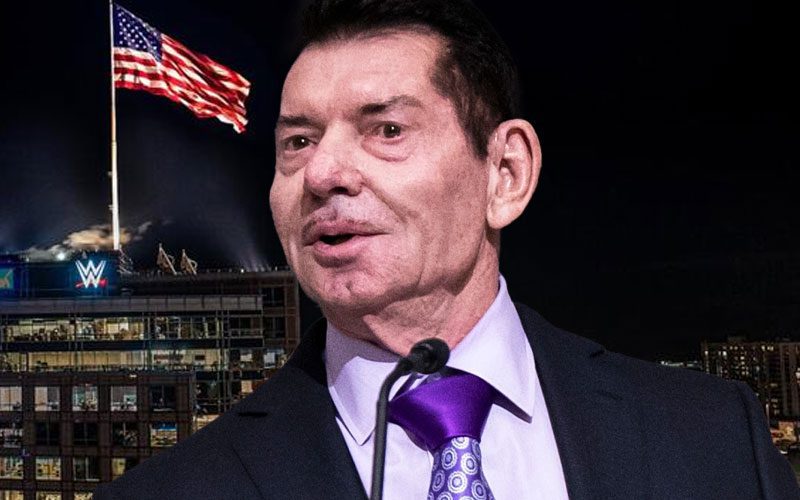
Bret Hart exiting Survivor Series 1997 remains the high-water mark for meta-narrative storytelling in American wrestling. By blurring the lines between reality and scripted competition, Vince McMahon inadvertently created the most effective villain persona in history.
This moment elevated the conflict between management and talent into a primary programming hook. It remains superior to every other entry because it proved that reality-based friction generates more money than any traditional feud.
2. The Launch of AEW Dynamite
October 2, 2019, marked the first time a major non-WWE promotion secured a multi-year, prime-time television deal in nearly two decades. This wasn't merely a new show; it forced a total restructuring of how talent negotiates contracts across the entire industry.
The competition forced WWE to abandon its complacency, leading to the rapid-fire booking style we see today. Without this foothold, the current talent market would be significantly thinner.
3. Hulk Hogan Joins the nWo
When Hogan famously dropped the leg on Randy Savage at Bash at the Beach 1996, the industry changed instantly. Fans were forced to re-evaluate the most predictable babyface character of the eighties as a cold-blooded traitor.
The shift saved WCW from irrelevance and forced WWE to eventually pivot toward the darker territory of the Attitude Era. It ranks third because it proved that even the most stale character archetypes can be revived with the right subversion of expectations.
4. The Brock Lesnar Streak Snap
At WrestleMania 30, the silence in the Superdome was more telling than any commentary track in history. Ending the 21-0 winning streak was a massive financial risk that arguably yielded diminishing returns on investment for years.
While it elevated Lesnar into a mythical final boss, it drained the uniqueness from the event itself. It sits lower on the list because the immediate aftermath felt like a missed opportunity to build a new star instead of cementing a part-timer.
5. The Debut of Stone Cold Steve Austin
The 3:16 promo following King of the Ring 1996 transformed a technical mid-card worker into a cultural phenomenon. Austin brought a level of authentic aggression that made the previous era of colorful gimmicks look obsolete.
He provided the necessary protagonist to combat the corporate heel era. The sheer volume of merchandise shifted during this window remains a record-breaking outlier in the history of the sport.
6. The Acquisition of WCW
Vince McMahon purchasing his biggest rival in 2001 should have been a victory for the business, but it turned out to be a booking disaster. The subsequent Invasion storyline failed to utilize the massive influx of talent from Turner Broadcasting.
It remains a cautionary tale about ego overriding good creative storytelling. It ranks low because it arguably stunted the growth of the industry by removing a legitimate competitor from the map for nearly two decades.
7. The Rise of the Bullet Club
The creation of this faction in NJPW signaled that international groups could exist as brands regardless of geography. It eventually bridged the gap between Japanese wrestling, American independents, and prime-time television.
It was the blueprint for modern stables that prioritize cool-factor and merchandise design over traditional wrestling tropes. Its influence on current developmental rosters is undeniable.
8. The Pipebomb Promo
CM Punk sitting on the stage at the 2011 Money in the Bank event articulated the frustrations of an entire generation of fans. It bridged the gap between the internet wrestling community and television screen scripts.
While it led to a legendary match, the execution of the following summer struggled to capitalize on the momentum. It ranks eighth because the creative backend failed to match the brilliance of the initial performance.
9. Eddie Guerrero Wins the Title
At No Way Out 2004, the victory over Brock Lesnar provided the most genuine emotional connection in modern memory. It broke the glass ceiling for smaller-stature performers who had been ignored by previous regimes.
The moment stands out for its humanity rather than its marketing reach. It failed to change the industry's physical requirements long-term, which is why it sits toward the back of the top ten.
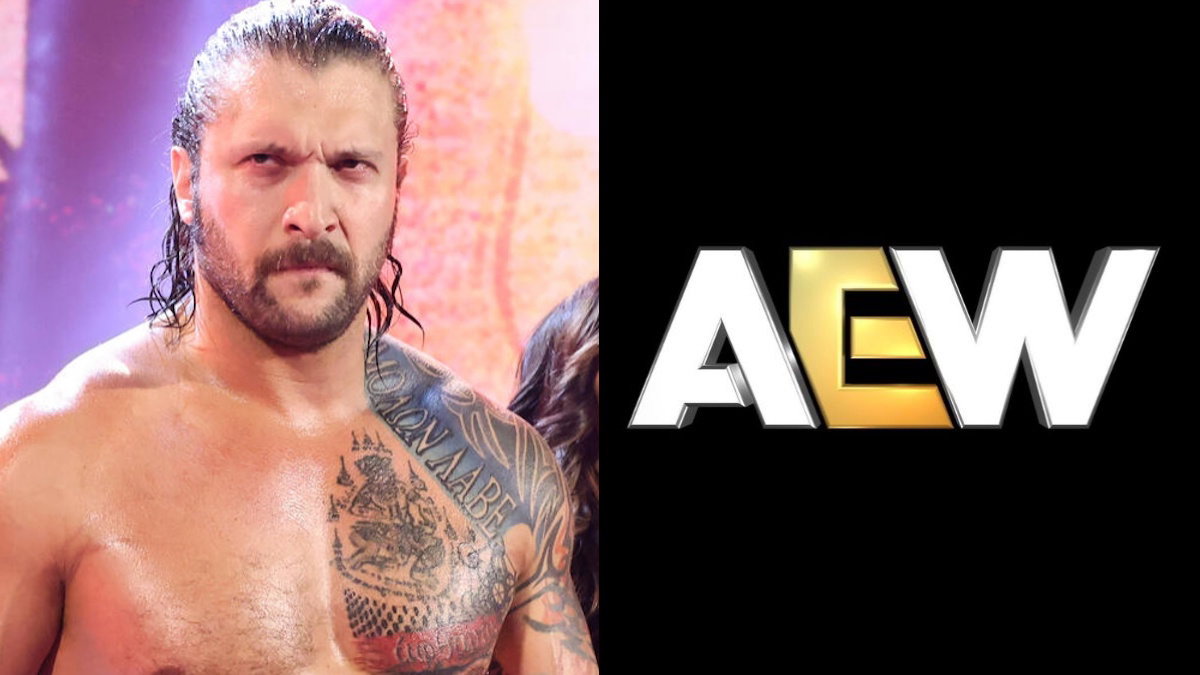
10. Killer Kross Enters the Free Agent Market
We are watching a current shift as performers like Killer Kross assess their options. The open door between major companies creates a fluidity that keeps promoters on their toes.
It isn't a singular match, but the ongoing evolution of contract leverage is the most significant development of 2026. If talent can effectively move between platforms, the quality of both programming and individual deals must improve.