The disconnect between call-outs and reality
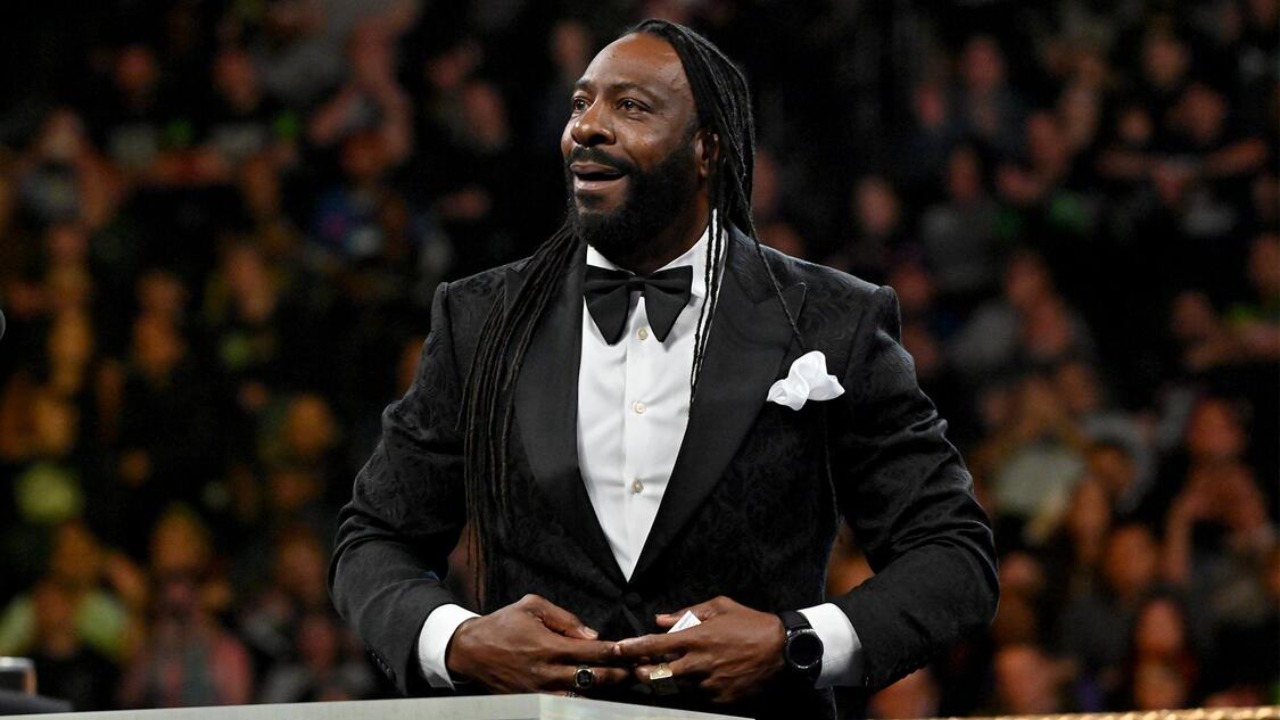
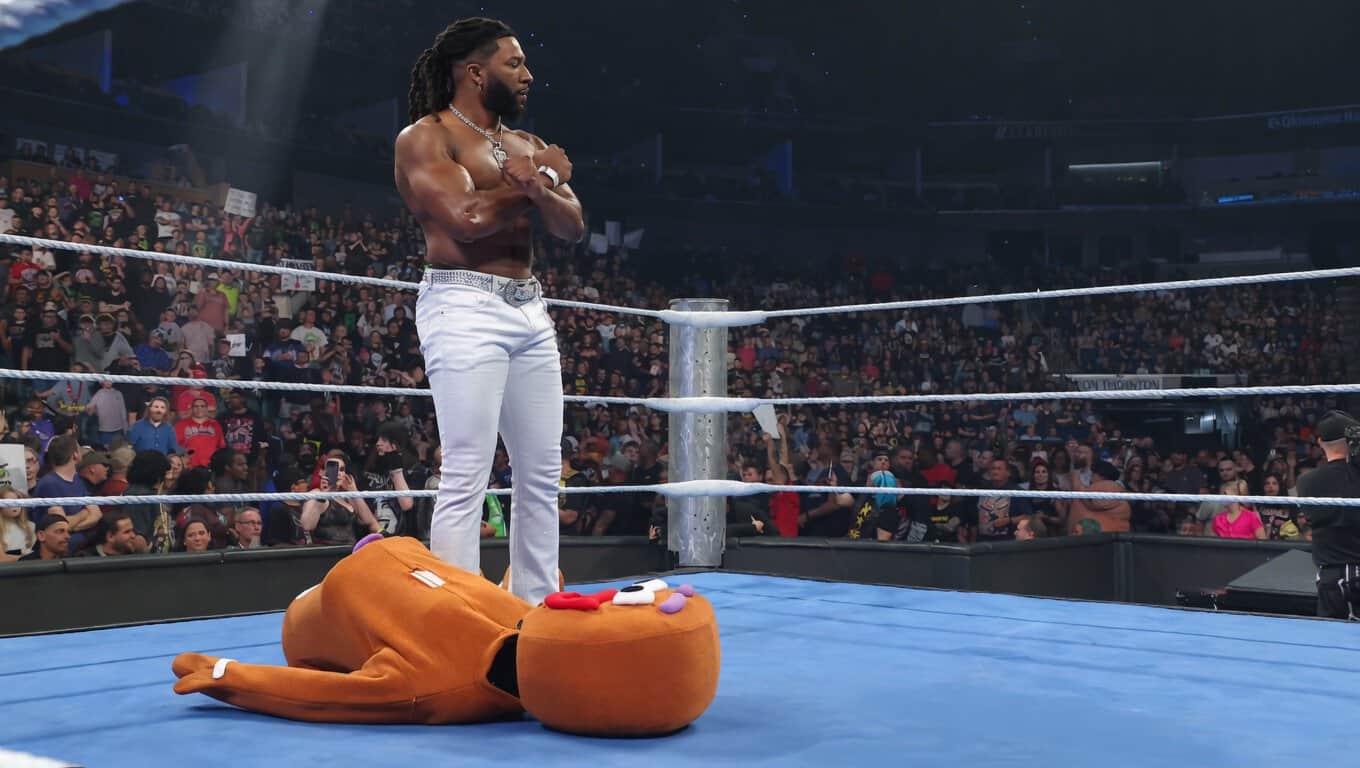
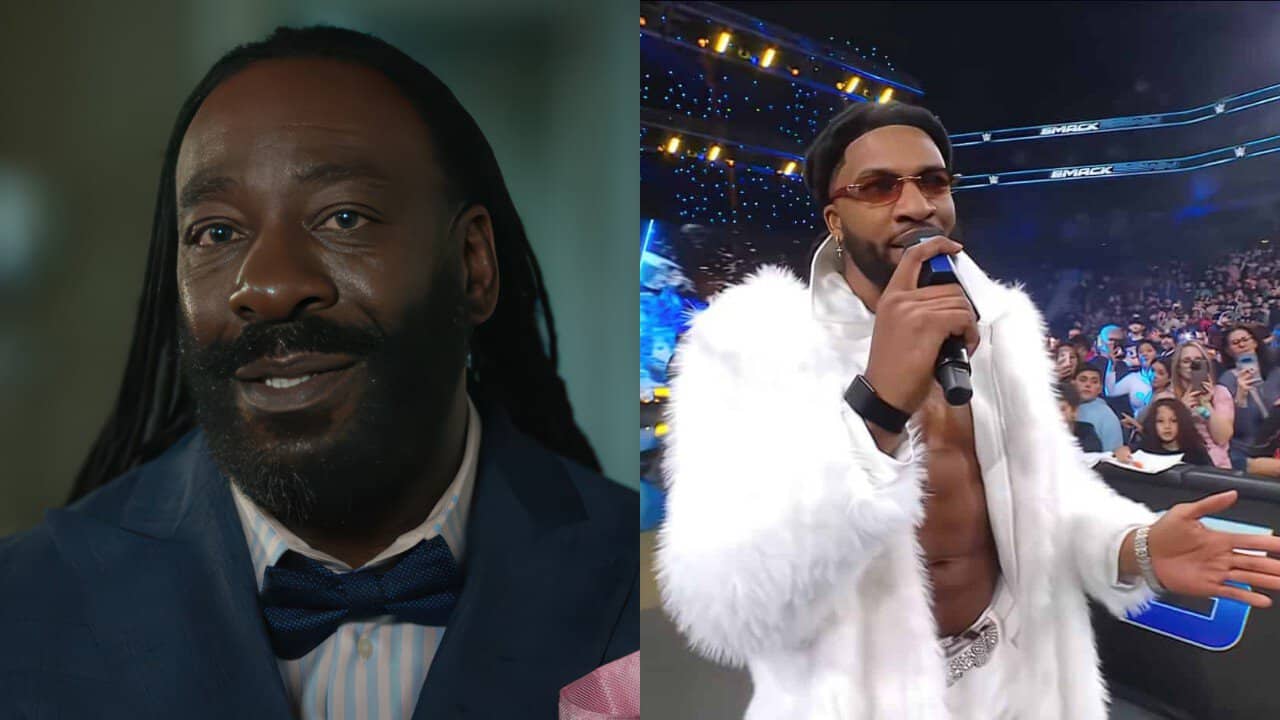
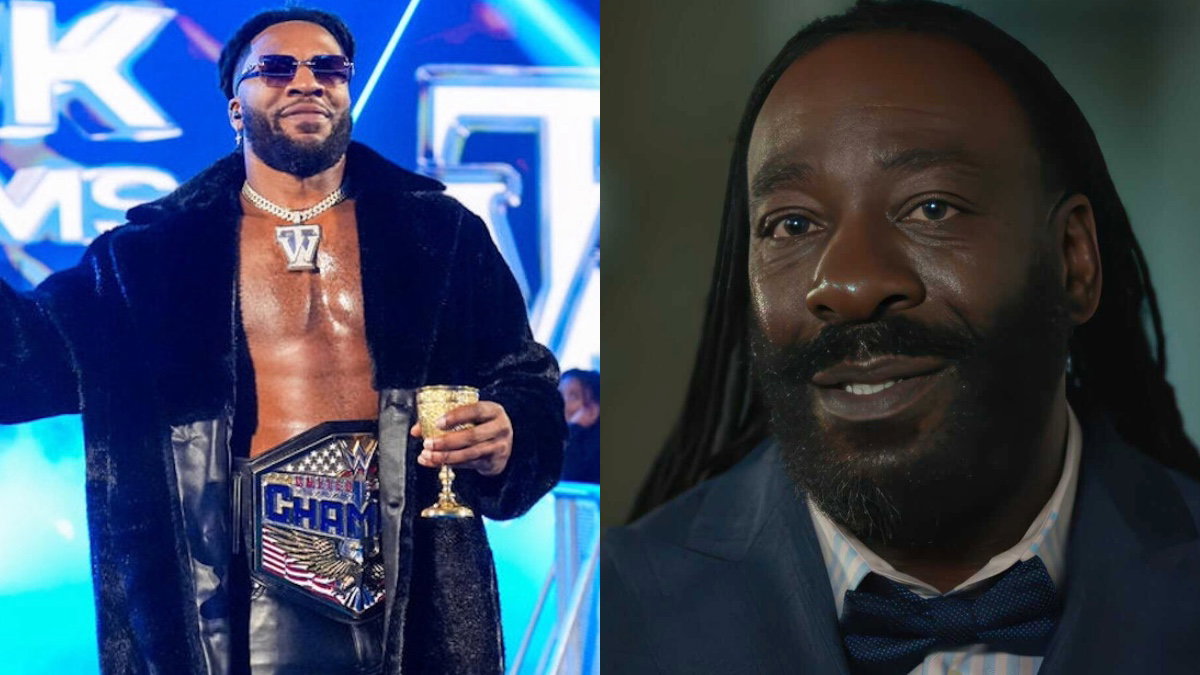
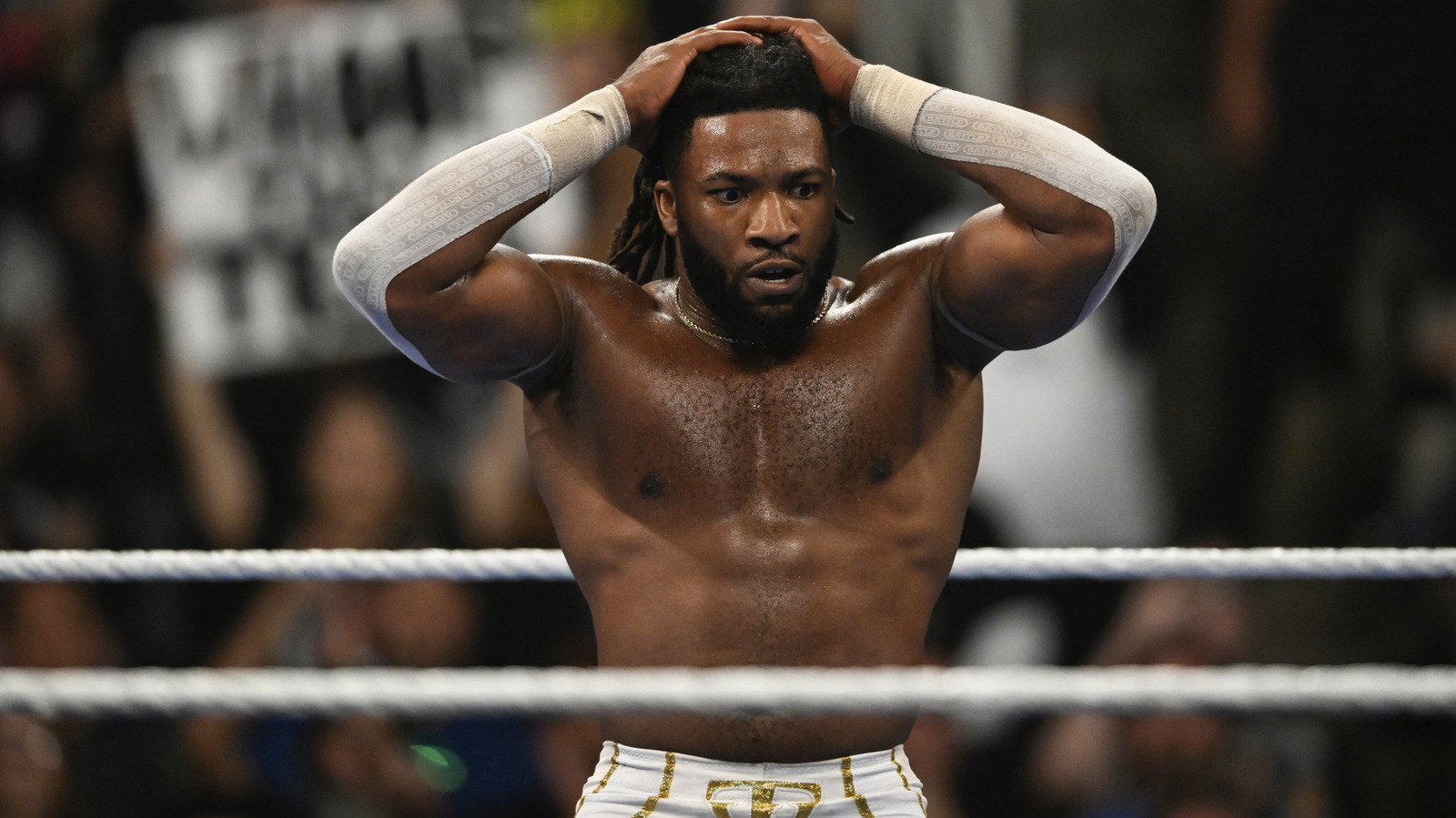
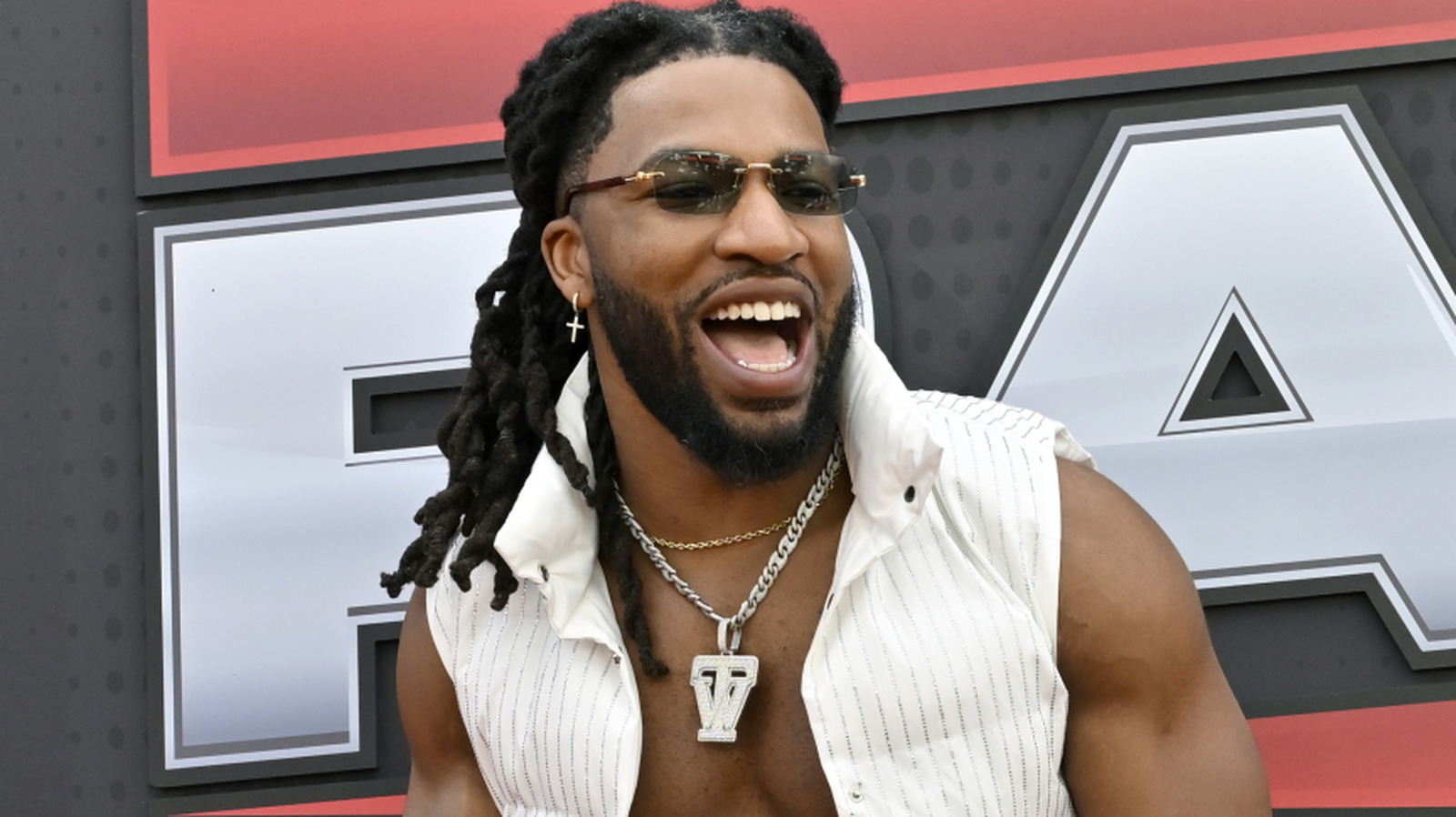
Trick Williams recently turned heads on the microphone by issuing a formal challenge to Booker T for a match at SummerSlam in 2027. While the bravado plays well on television, the current state of the WWE injury list suggests that looking ahead to calendar years is a luxury the creative team rarely enjoys. As Booker T noted in his response, the physical toll of a full-time schedule often forces such plans to dissolve long before they reach the squared circle.
Booker T’s reaction was measured, focused largely on the unpredictability of physical maintenance for a veteran versus an active star. He opted against a definitive acceptance, citing the volatility of maintaining peak conditioning over an 18-month lead time. For the average viewer caught up in the heat of a segment, this seems like just another promo. From a medical stability standpoint, it is a reminder of how quickly momentum plateaus when key personnel end up on the sidelines.
The danger of planning for 2027
Planning a high-profile bout more than a year out assumes a standard rate of attrition that WWE has struggled to maintain this cycle. We see wrestlers battling recurring soft-tissue issues and concussion protocols that sideline top-tier talent for months at a time. When performers like those currently occupying the mid-card begin targeting legends for future spots, they often ignore the fact that the company cannot even guarantee their own availability through the next fiscal quarter.
Historical data indicates that these long-term wrestling rivalries rarely survive the volatility of locker room health. Consider the instances where planned SummerSlam bouts were abandoned because a performer suffered a torn labrum or a Grade 2 MCL sprain during an untelevised house show. When a star pins their creative trajectory to a multi-year timeline, they place their relevance in the hands of sheer physical luck. It is a strategic mistake.
Structural flaws in creative booking
The reliance on calling out Hall of Famers for future dates highlights a lack of confidence in the current depth of the roster. By focusing on a dream match that is 12 to 18 months away, creative potentially insults the current work of opponents who need immediate narrative traction. Instead of building feuds that resolve within the next three PLE cycles, the product risks losing viewer attention to stagnancy.
Booking these scenarios ignores the reality of the training room. A wrestler currently presenting themselves as a future main-eventer often neglects the importance of building a credible history with peers who are actually active. If those same wrestlers were to sustain a long-term injury during the coming autumn schedule, fans are left with a dead-end promo that serves no one. Consistency matters more than spectacle.
Operational impact on the roster
WWE must address its medical transparency to stop these cycles of uncertainty. While privacy laws protect individual records, the lack of clarity regarding return windows often leads to awkward booking holes in the middle of a card. When the audience waits on a challenger who may never be cleared, the promotion suffers a loss in viewer retention.
Fans tuning in for these segments are often disappointed when reality sets in. The promotion would be better served by prioritizing short-term, high-impact storylines that avoid the trap of distant dates. Until the company can stabilize the physical availability of its top tier, any challenge issued for a date further than one quarter out remains a tactical error. Focus on the current health of the athletes, not the nostalgia of a future calendar year.
Read Next