The credibility gap in industry commentary
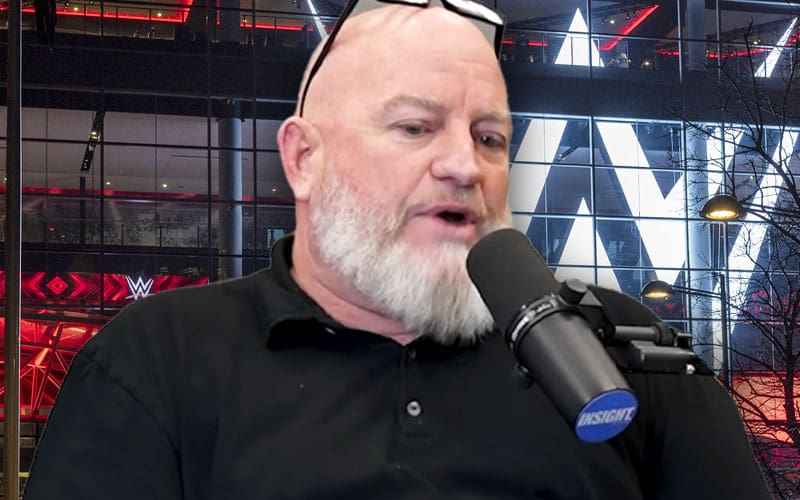
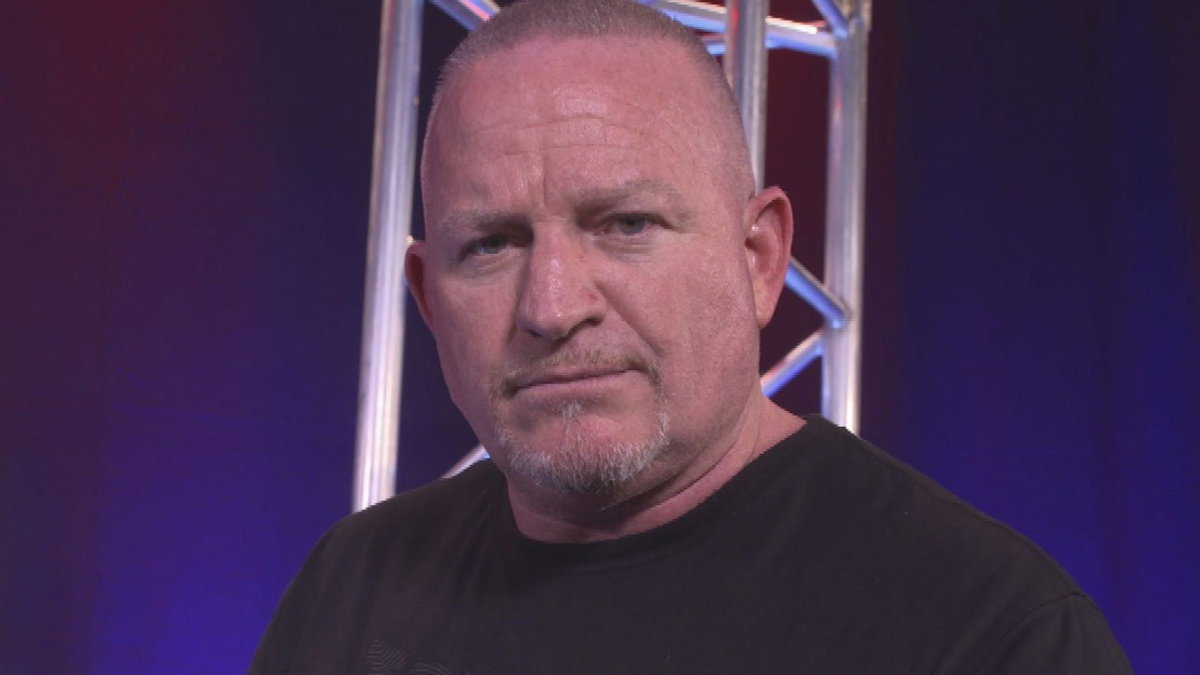
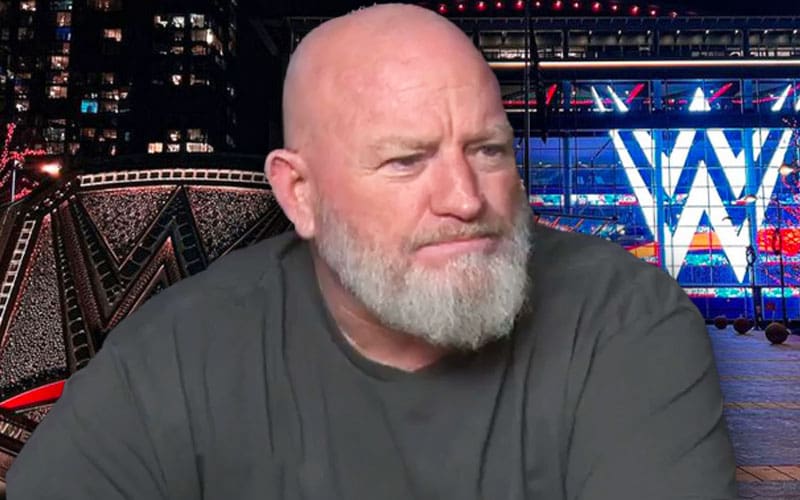
Brian James, better known as Road Dogg, has recently shifted his commentary toward an unexpected target: AEW. When a fixture of the WWE executive class suggests the opposition is gaining strength, the wrestling community tends to take notes. His recent insights, as noted by WrestlingNews.co, imply that internal operations at Tony Khan's promotion are maturing. This isn't just PR fluff from a podcast host; it highlights a genuine shift in how veteran talent perceives the alternative market.
Road Dogg’s departure from WWE was far more cynical than the public initially guessed. He wasn't just burnt out; he described the company’s final years of his tenure as a money grab, an environment where he felt entirely redundant. Ringside News has extensively documented his frustrations regarding feeling unnecessary. When an employee feels their creative output is treated like an expense rather than an asset, they tend to look elsewhere for validation.
The danger of superficial booking
Despite his praise for AEW's backend progress, there remains a massive disconnect between organizational maturity and on-screen product. The industry loves to celebrate "strengthening" operations, but fans care about ring psychology and sustained momentum. If the infrastructure behind the scenes is getting better, why are we still seeing talent cycles that prioritize spectacle over narrative arc? The lack of follow-through on major programs creates a ceiling for the promotion that no amount of behind-the-scenes efficiency can fix.
As reported previously, James left because he felt his role vanished, yet he continues to offer a platform for discourse that legitimizes his former rivals. The tension here is clear: the industry is moving away from a single-company monopoly, and veterans like James are essentially confirming the viability of the competition. His professional endorsement suggests that WWE is losing its grip on the narrative of being the only place where true production value occurs.
The bottom line
My prediction is that Road Dogg will eventually find himself in an advisory or creative capacity for a competitor by early 2027. His current pattern of validating the opposition while critiquing the corporate greed of his former employer is exactly how one burns bridges to build a new road. He is positioning himself as a free agent who sees the future of the sport in the promotion he once mocked. This shift from loyalist to critic is exactly what happens when long-tenured employees realize the brand identity they served no longer aligns with the product they actually want to make.
The downside? He might find the same chaotic booking issues he detests in the industry standard. Relying on veteran insight is only successful if the promotion allows those vets to actually influence the finish. If AEW brings him in, expect them to try a 50/50 split in creative influence during his first quarter. It will likely fail to solve the booking fatigue that even the most well-oiled machine cannot mask.