The shift from in-ring technician to architect
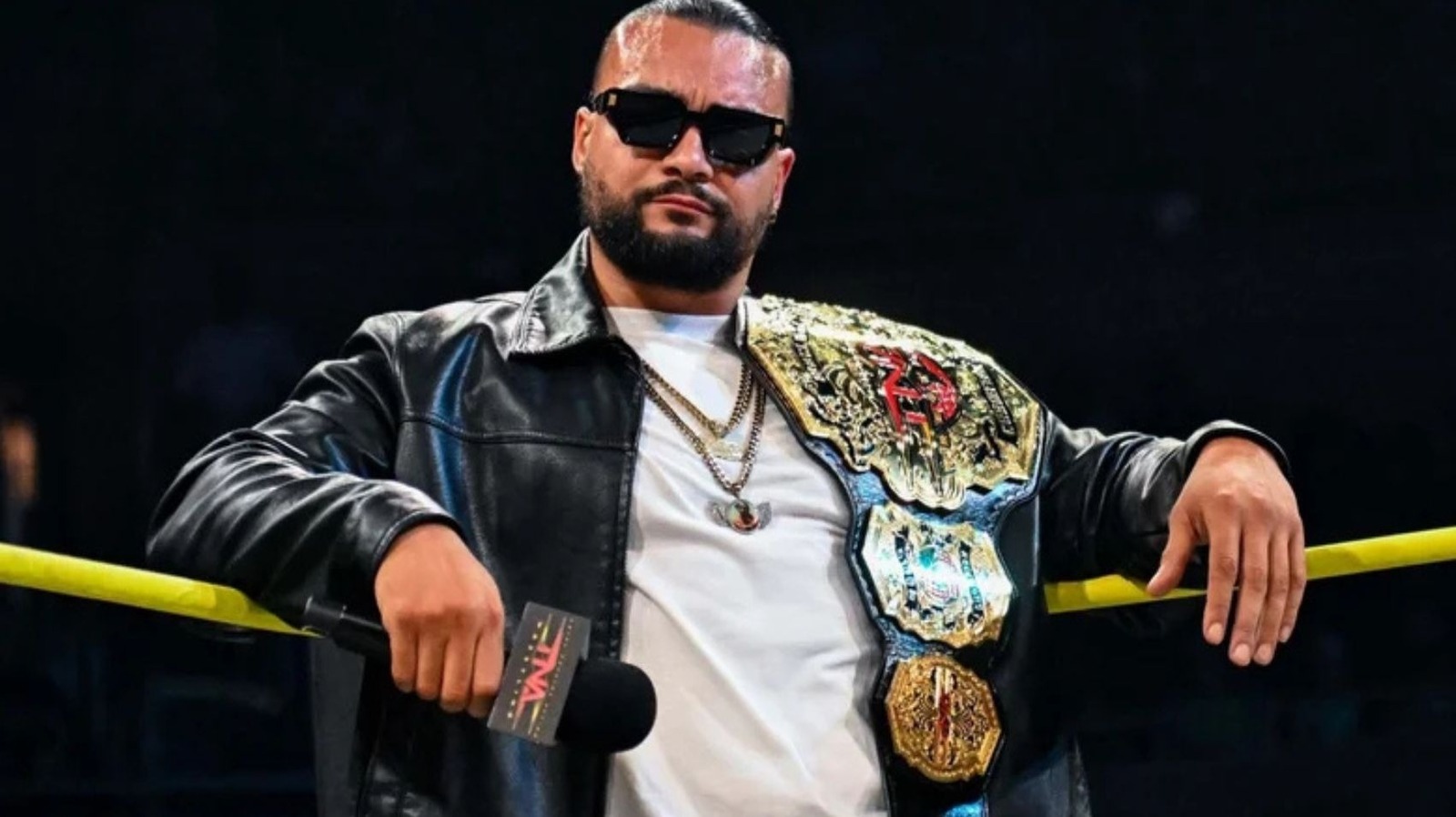
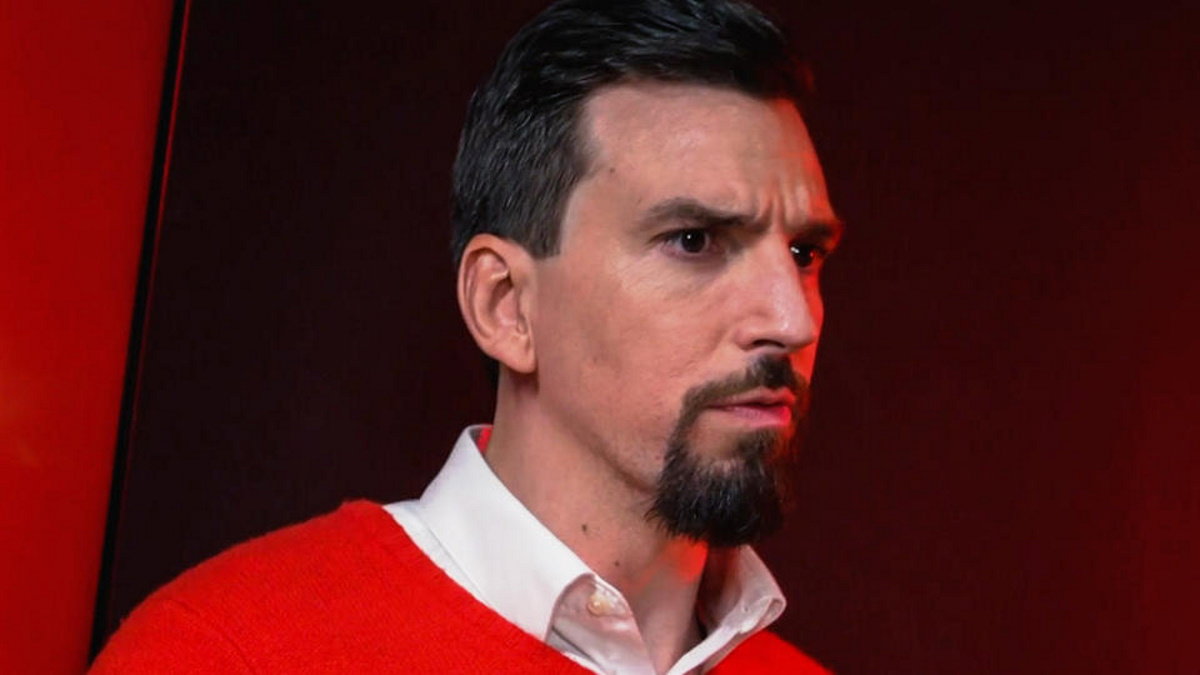
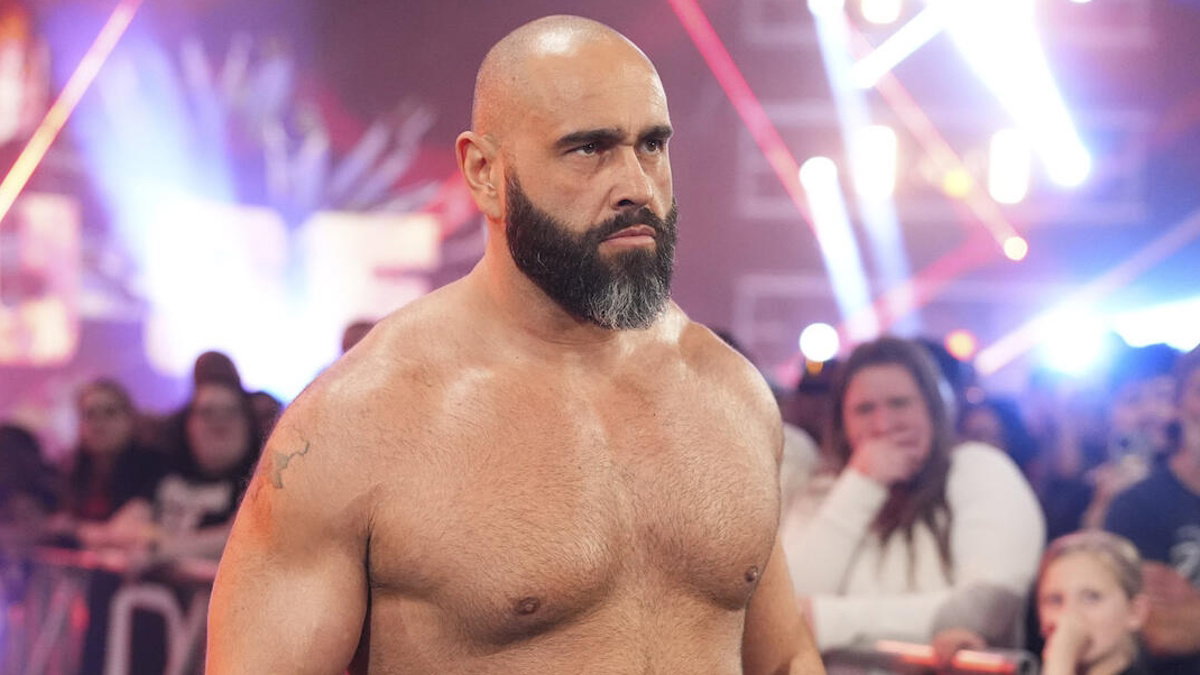
Miroslav Barnyashev, formerly known as Rusev, has moved past his prime-time wrestling volatility. His decision to open the KECH Pro Wrestling Academy this May marks a structural departure from the high-octane environment of national television. Watching his career arc since his initial departure from WWE, the pivot to coaching suggests he is prioritizing technical consistency over highlight-reel volatility.
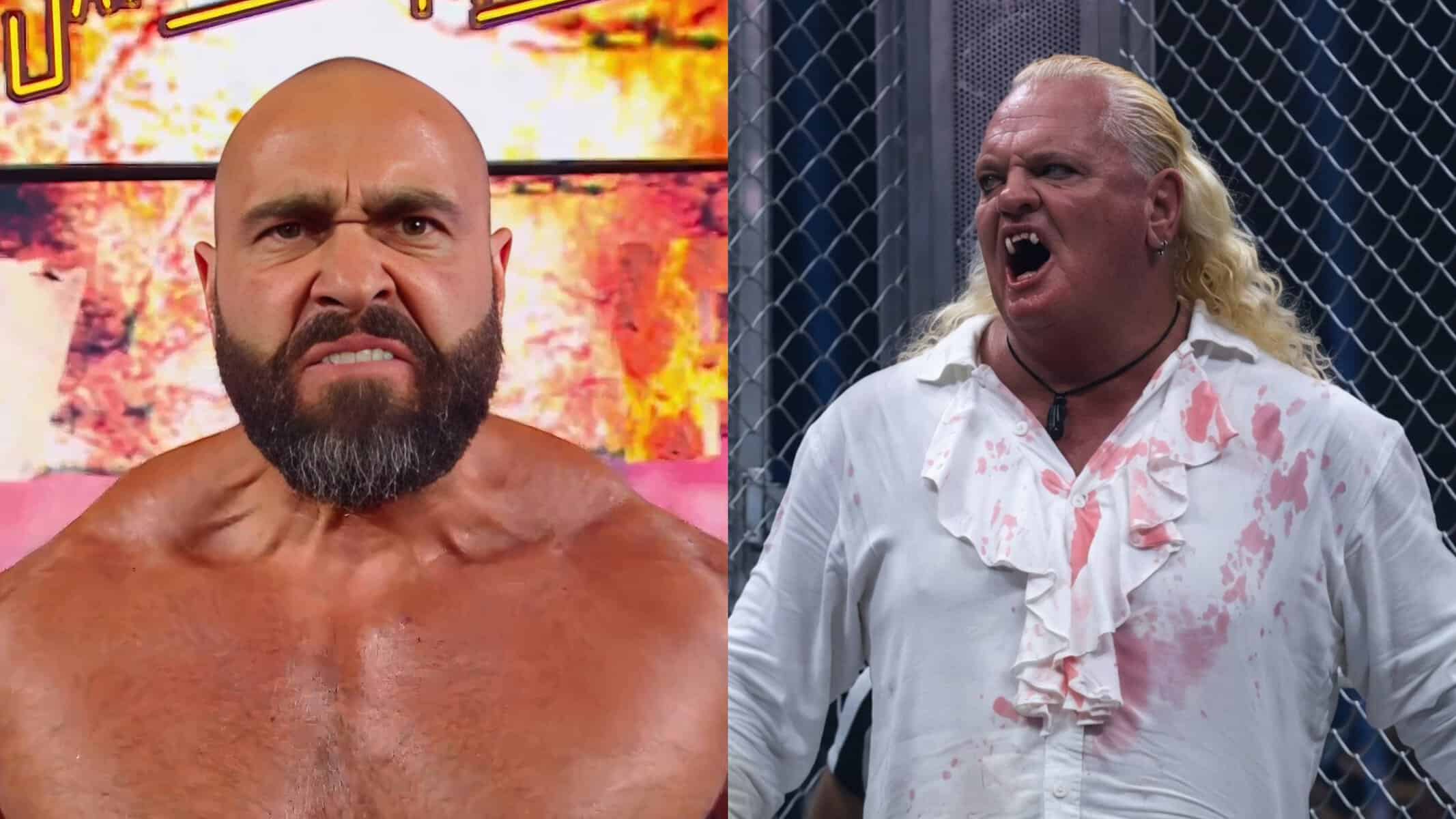
The academy is already drawing notice because of the personnel he has brought in to assist. Gangrel, a veteran who understands the importance of character work over mere athleticism, is reportedly holding a significant coaching role there. This is a deliberate choice. Rusev was always a performer who understood physical spacing, and by pairing with a traditionalist like Gangrel, he is clearly attempting to bridge the gap between high-impact professional wrestling and fundamental ring psychology.
The strategic benefit of coaching
Rusev’s work rate during his peak years, specifically his 2014-2015 run, relied on a high-percentage utilization of the Accolade as a finisher. He maintained a win rate near 70 percent during his initial undefeated streak, proving he understands how to build credible threats. Coaching requires that exact same eye for pacing. If a student at KECH can replicate that level of intensity in their opening segments, they will likely succeed on the independent circuit.
However, running a school comes with inherent risks regarding creative burnout and administrative fatigue. I have observed many performers transition into retirement and lose their edge when they stop taking bumps daily. Rusev risks losing his instinct for the timing of a comeback or a sudden reversal if he spends all his time behind the curtain. He needs to remain active in the squared circle to maintain that nuance.
The data behind the academy
We see the impact of his recent transition to coaching in how the local scene in his area is developing. By focusing on fundamental mechanics at KECH, he is avoiding the common trap of teaching students to trade moves without narrative purpose. This is a common failure in modern wrestling academies today, where flashy sequences replace actual selling.
If Rusev remains focused on these fundamentals rather than expanding too quickly, his school could become the primary feeder for regional promotions within two years. His professional discipline, combined with the veteran mentorship of someone with Gangrel's tenure, creates a stable environment for prospects. He is betting that the industry will eventually crave technical solidity over the current chaotic trend of high-risk spots.
Verdict on the academy’s trajectory
I anticipate the KECH Pro Wrestling Academy will produce at least three talent prospects capable of breaking into national mid-card positions before the close of 2027. His biggest hurdle remains securing high-quality sparring partners for his students to test their work against in a simulated match environment. If he can organize monthly showcases that replicate the 15-minute televised match structure, he will succeed where many independent training facilities have previously failed.
The lack of a formal creative outlet for these students is the only downside I see at this stage. Knowledge without application through high-stakes matches will only take these wrestlers so far. Rusev needs to formalize a partnership with a regional televised promotion to ensure his students get the reps required to bridge the gap between rehearsal and live performance.